Bitcorse Crypto Exchange Review: Is It Legit in 2026?
 Aug, 26 2026
Choosing a crypto exchange feels like walking into a casino where the house rules aren't posted on the wall. You hand over your hard-earned cash, and you hope for the best. That's exactly why skepticism is healthy when a new platform like Bitcorse pops up. But is it a hidden gem or another trap for unwary investors? Let's cut through the noise and look at what actually matters: safety, fees, and usability.
The Reality of Niche Exchanges
First, let's set the stage. The cryptocurrency market is massive. As of late 2023, there were over 500 active exchanges globally, but only about 50 are considered major players with significant trading volumes (Statista, September 2023). Giants like Binance and Coinbase dominate this space, processing billions in daily volume. When you see a smaller player like Bitcorse, you're looking at a different beast entirely. These niche platforms often try to compete by offering lower fees or unique features that the big guys ignore. However, they also carry higher risks. Unlike established entities with deep capital reserves and regulatory compliance teams, smaller exchanges can be more vulnerable to liquidity crunches or technical failures. If you've ever tried to withdraw funds from a lesser-known app and waited three days for a confirmation email, you know the frustration. For Bitcorse, the key question isn't just "Can I buy Bitcoin?" but "Will my money be safe if the server crashes or the CEO goes silent?"
Security and Trust: The Non-Negotiables
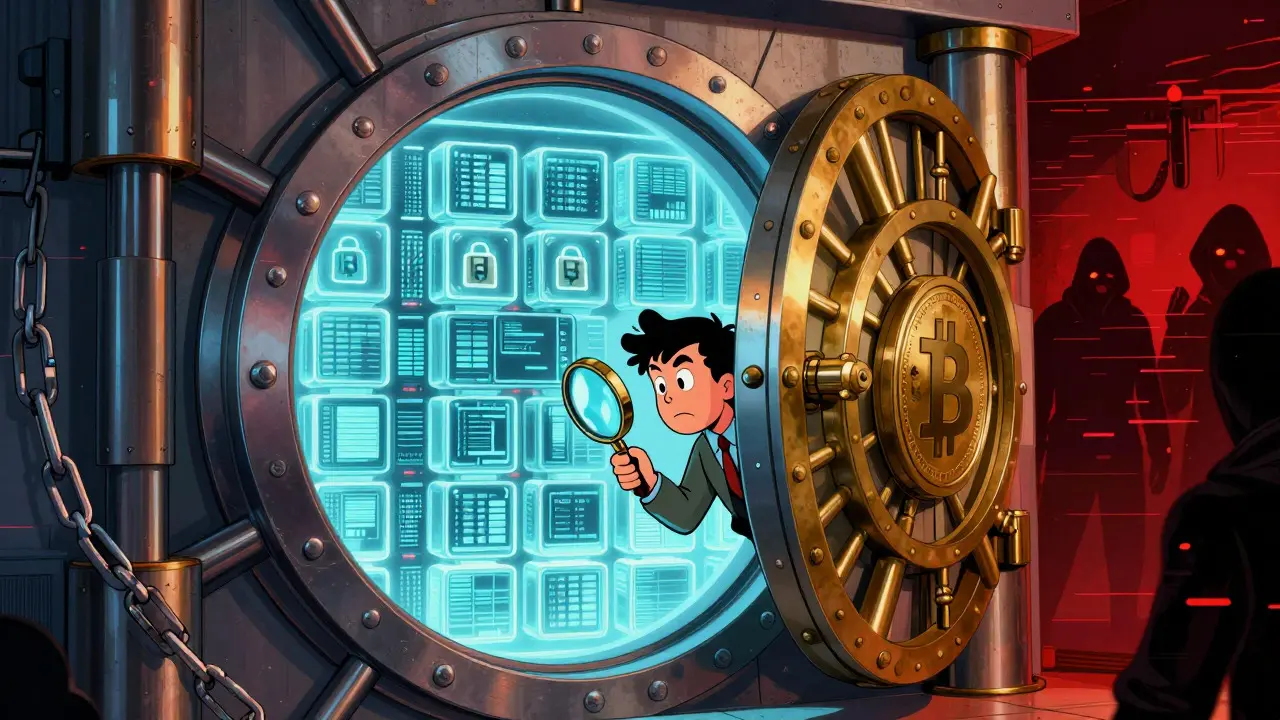
Security is the first thing you should check before depositing a single cent. Centralized exchanges hold your private keys, meaning they are responsible for keeping your assets safe. This model has its downsides. Between 2012 and 2023, centralized exchanges suffered $3.8 billion in total losses from hacks (Immunefi Crypto Hacker Report). While Bitcorse may not have been involved in a headline-grabbing hack, the principle remains: custodial risk is real. Major players mitigate this by keeping 95% of user funds in cold storage (offline wallets) and using multi-signature technology. Does Bitcorse do this? Look for proof. Reputable exchanges publish their audit reports or use third-party verification services. If Bitcorse claims high security but doesn't provide transparent data on their cold storage ratio or insurance fund, tread carefully. Also, check their regulatory status. In the U.S., 78% of major exchanges are registered with FinCEN. Smaller platforms might operate in grey areas, which is fine for some users but risky for others who want legal recourse if things go wrong.
Fees and Trading Costs
Now, let's talk money. Fees eat into your profits, especially if you trade frequently. The industry standard varies wildly. Binance charges 0.1% for spot trading, while Coinbase takes around 0.6% per trade for standard transactions (exchange fee schedules updated October 2023). Where does Bitcorse fit in? Many smaller exchanges advertise "zero fees" or "low fees" to attract users. Be skeptical. If the trading fee is low, where is the revenue coming from? Often, it's the spread-the difference between the buy and sell price. A 0.1% trading fee sounds great until you realize the spread adds another 0.5%. Always calculate the total cost of entry. Additionally, watch out for withdrawal fees. Some exchanges charge flat rates for blockchain withdrawals, while others pass on network costs directly. For Bitcoin, network fees can range from $1.20 to $15.75 depending on congestion (Blockchain.com data). If Bitcorse adds a markup on top of these network fees, your effective cost increases significantly. Compare the all-in cost of moving funds off-platform versus keeping them on the exchange.
User Experience and Onboarding
A great exchange is useless if you can't figure out how to use it. User experience (UX) is a critical factor. Major platforms like Coinbase maintain a 4.7/5 rating across 350,000+ App Store reviews because they prioritize simplicity. Their onboarding process takes an average of 22 minutes, with 63% of new users completing their first transaction in under 30 minutes (Coinbase 2023 user onboarding study). Smaller exchanges like Bitcorse often struggle here. Interfaces can be cluttered, confusing, or lack essential features like stop-loss orders and margin trading. According to recent data, 85% of top 20 CEXs offer advanced trading tools, but niche platforms may lag behind. If you're a beginner, a clean, intuitive interface is worth paying extra for. If you're a pro trader, you'll need detailed charting tools, API access, and fast order execution. Check if Bitcorse offers a demo account or paper trading feature. This allows you to test the waters without risking real money. Also, consider customer support. Binance resolves 92% of Tier 1 support tickets within 24 hours. What is Bitcorse's response time? If it takes days to get an answer, that's a red flag for long-term reliability.
Liquidity and Market Depth
Liquidity determines how easily you can buy or sell assets without affecting the price. High liquidity means tight spreads and fast executions. Binance's BTC/USDT pair maintains an average order book depth of $12.7 million within 1% of the mid-price (Kaiko Liquidity Report, September 2023). Compare that to decentralized exchanges like Uniswap, which had only $420,000 for the same metric. If Bitcorse is a smaller platform, its liquidity will likely be much lower. This means if you try to sell a large position, you might move the price against yourself, resulting in slippage. For small trades, this might not matter. But if you plan to invest thousands or tens of thousands, low liquidity becomes a serious issue. Check the trading volume on Bitcorse. Low volume indicates fewer buyers and sellers, leading to wider spreads and slower execution. If the daily volume is in the millions rather than billions, expect a less smooth trading experience.
Comparison: Bitcorse vs. Major Players
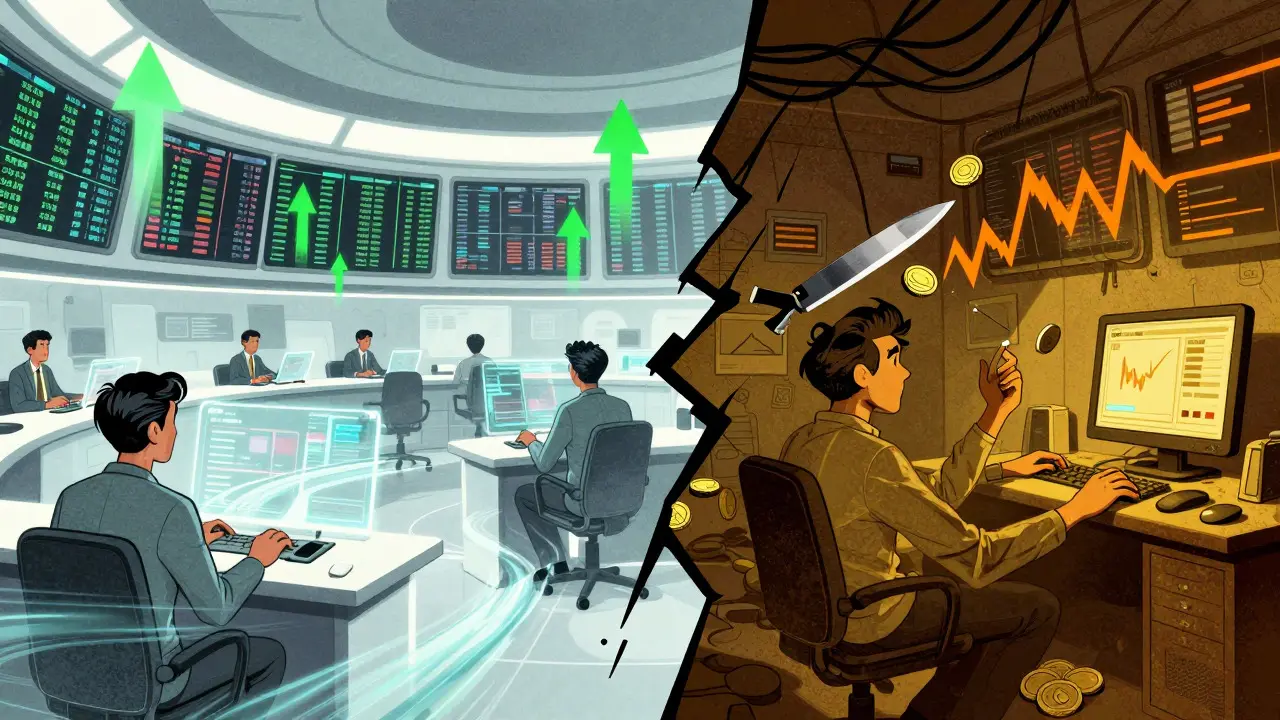
To put things in perspective, let's compare Bitcorse with established giants. While specific data on Bitcorse may be limited due to its niche status, we can infer its positioning based on industry standards.
| Feature | Bitcorse (Typical Niche) | Binance (Major) | Coinbase (Major) |
|---|---|---|---|
| Spot Trading Fee | Low (often <0.2%) | 0.1% | ~0.6% |
| Liquidity | Moderate/Low | Very High ($12.7M depth) | High |
| Regulatory Status | Varies by region | Global Licenses | U.S. Regulated |
| User Interface | Simpler, potentially clunky | Complex, feature-rich | Beginner-friendly |
| Customer Support | Email/Ticket (slower) | 24/7 Chat (fast) | 24/7 Chat (fast) |
Red Flags to Watch For
Before committing to Bitcorse, keep an eye out for these warning signs:
- Opaque Fee Structures: If you can't clearly see the total cost of a trade, including spreads and withdrawal fees, assume it's higher than advertised.
- Poor Customer Support: Slow response times or unhelpful answers indicate underlying operational issues.
- Lack of Transparency: No published audit reports, unclear ownership structure, or missing regulatory information.
- Low Trading Volume: Consistently low volume suggests a lack of user trust or interest.
- Aggressive Marketing: Promises of "guaranteed returns" or "risk-free trading" are classic scams.
Final Verdict
Bitcorse represents the typical profile of a niche crypto exchange: potentially lower fees but higher risk. It's not suitable for everyone. If you're a beginner who values simplicity and security, you might find better options with Coinbase or Kraken. If you're an experienced trader looking for specific altcoins or lower fees on small trades, Bitcorse could be worth a test drive. Start small. Deposit a minimal amount, execute a few trades, and test the withdrawal process. If everything goes smoothly, you can scale up. But always keep your eyes open. The crypto world moves fast, and today's hidden gem can become tomorrow's headache. Do your homework, check the latest reviews, and never invest more than you can afford to lose.
Is Bitcorse a regulated exchange?
Regulation varies by jurisdiction. Unlike major players like Coinbase, which is heavily regulated in the U.S., Bitcorse may operate under lighter oversight depending on where it is based. Always check their official website for licensing details relevant to your country.
How long does it take to withdraw funds from Bitcorse?
Withdrawal times depend on the asset and network congestion. For cryptocurrencies, it usually takes a few minutes to an hour for blockchain confirmations. For fiat currency, it can take 1-3 business days. First-time withdrawals may take longer due to additional security checks.
What are the trading fees on Bitcorse?
Fees vary by asset and trade size. Typically, niche exchanges charge between 0.1% and 0.3% for spot trading. However, always factor in the spread, which can add another 0.2% to 0.5% to your total cost.
Does Bitcorse support mobile trading?
Most modern exchanges, including Bitcorse, offer mobile apps for iOS and Android. Ensure your device meets the minimum requirements, typically iOS 12.0+ or Android 8.0+ with 2GB RAM, for optimal performance.
Is Bitcorse safe for long-term holding?
For long-term holding, many experts recommend moving assets to a personal hardware wallet. While Bitcorse may offer cold storage, keeping your own private keys eliminates custodial risk entirely. Use the exchange for trading, not as your primary vault.