Chihua Token Airdrop: Is It Real or a Scam? (2026 Guide)
 May, 9 2026
You’ve probably seen the hype on social media. Someone claims there is a massive Chihua token airdrop waiting for you, promising free money just for clicking a link or connecting your wallet. It sounds too good to be true, and in the world of cryptocurrency, that usually means it is. Before you connect your digital wallet or send any funds, you need to understand what is actually happening with the "Chihua" name right now.
The truth is messy. There is no single, verified, active airdrop for a major project called "Chihua" as of May 2026. Instead, you are likely looking at one of three things: a confusion with an old project from 2022, a dead token sitting on the Ethereum blockchain, or a brand new scam designed to steal your assets. Let’s break down exactly what these tokens are so you don’t lose your savings chasing a ghost.
The Confusion: CHIHUA vs. HUAHUA
The biggest problem here is identity theft by similar names. In the early days of meme coins, projects often copied successful branding. This created two distinct entities that people constantly mix up today.
First, there is the Chihuahua Chain (HUAHUA). This was a real project back in January 2022. They ran a legitimate airdrop through the MEXC exchange. Users had to stake MX tokens to vote, and they received 7.2 million HUAHUA tokens. That event ended years ago. If you are seeing ads for this now, they are either fake screenshots from the past or scams trying to trick you into thinking the airdrop is still open.
Second, there is the Chihua Token (CHIHUA). This is a different token entirely. According to data trackers like CoinMarketCap, this token lists a maximum supply of 490 trillion. However, the circulating supply shows zero. The price is effectively $0. This indicates the token is either inactive, failed to launch properly, or is simply a shell contract used for spam. When you see a token with zero volume and zero liquidity, it has no value. You cannot sell it, and therefore, receiving it in an "airdrop" is not a gift-it is digital litter.
| Feature | Chihuahua (HUAHUA) | Chihua Token (CHIHUA) |
|---|---|---|
| Status | Completed (2022) | Inactive / Zero Volume |
| Airdrop Date | January 2022 | No verified active airdrop |
| Platform | MEXC Exchange | Ethereum (Uniswap listed) |
| Current Value | Negligible / Delisted | $0.00 |
| Risk Level | Low (Historical) | High (Scam Potential) |
Why "Zero Supply" Tokens Are Dangerous
If you dig into the technical details of the CHIHUA token on Ethereum, you will find some red flags that every crypto user should know how to spot. The project claims to have done a "fair launch" where founders bought tokens on Uniswap. They also claim 51% of the supply was burned and 48% went to liquidity. This sounds secure on paper because burning tokens reduces inflation.
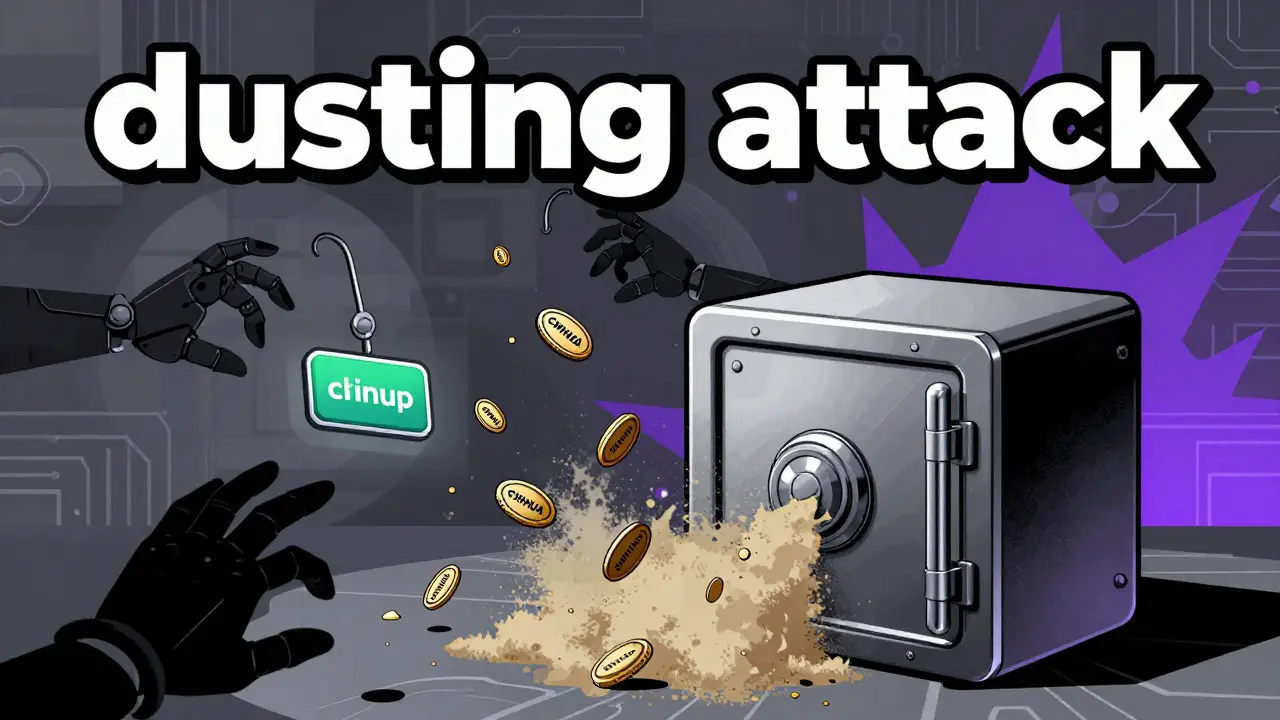
However, the critical issue is the current market data. A token with a max supply of 490 trillion but zero circulating supply suggests the contract might be broken or abandoned. In 2026, many scammers create tokens with massive supplies to dump them onto unsuspecting users via "free" airdrops. These are known as "dusting attacks."
Here is how the dusting attack works:
- The Drop: Scammers send small amounts of worthless tokens (like CHIHUA) to thousands of random wallets.
- The Bait: You see the tokens in your wallet app and think, "Wow, I got something!" You search for the token online to see its value.
- The Trap: You click on a fake website or a malicious link that looks like a legitimate tracker. Or worse, you try to swap the worthless token on a decentralized exchange using a phishing site.
- The Theft: To swap the token, you must approve a transaction. The smart contract asks for permission to access your main assets (like ETH or USDT). Once you sign, they drain your wallet.
This is why receiving unsolicited tokens is never a good thing. Legitimate projects do not send tokens to random addresses without a clear opt-in mechanism. They use whitelist systems, quest platforms, or official exchange announcements.
How to Verify Any Crypto Airdrop in 2026
The landscape of airdrops has changed. In the past, you might have just needed to hold a token. Now, projects use complex point systems, Telegram mini-apps, and retroactive rewards for specific blockchain activity. Projects like Monad, Abstract, and Pump.fun have set high standards for transparency. If a "Chihua" project does not meet these standards, it is not worth your time.
Before participating in any distribution event, run this checklist:
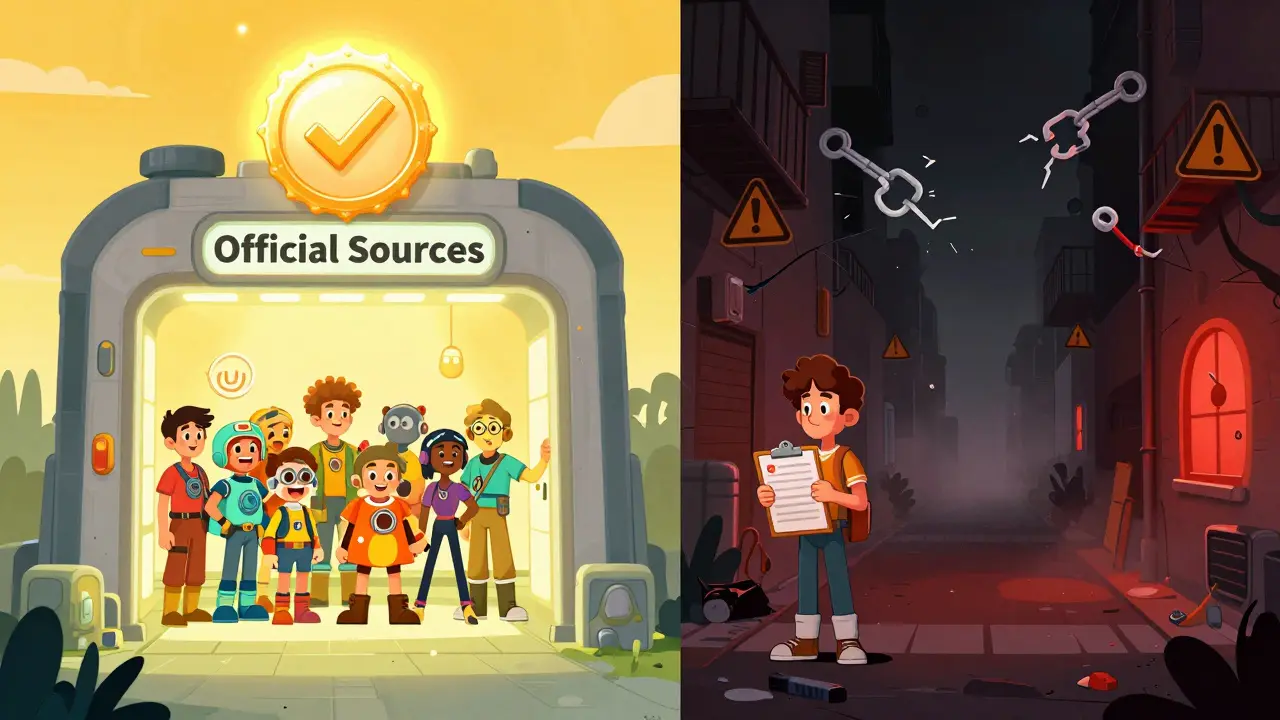
- Official Sources Only: Does the project have a verified Twitter/X account with blue checkmarks? Do they have a Discord server with active moderation? If the only information comes from TikTok videos or YouTube comments, it is a scam.
- Contract Verification: Go to Etherscan (or the relevant blockchain explorer). Paste the token address. Look at the "Holders" tab. If there are very few holders or if the top holder owns 90% of the supply, walk away. For CHIHUA, the lack of trading pairs confirms it is not actively supported.
- No Upfront Fees: Never pay gas fees to "claim" an airdrop unless you are interacting with a well-known protocol. Most scams ask you to send ETH to unlock your reward. This is always a lie.
- Check the Date: Is the announcement recent? If the "news" is from 2022 or 2023, it is recycled content designed to catch new investors who don’t know the history.
The Reality of Meme Coin Airdrops
Meme coins are driven by community sentiment, not utility. Projects like Dogecoin and Shiba Inu succeeded because of massive cultural adoption, not just because they gave away tokens. The "Chihua" narrative tries to ride the coattails of these giants by claiming to be a "community answer" to them.
But without a working product, a live chain, or active development, the name alone holds no power. In 2026, investors are more sophisticated. We look for:
- Real Utility: Can the token be used for governance, staking, or payments?
- Liquidity: Is there enough money in the pool to buy and sell easily?
- Transparency: Are the developers public? Have they audited their code?
The CHIHUA token fails all three tests. It has no liquidity, no visible development team, and no active community beyond spam bots. Comparing it to successful 2025-2026 airdrops like Meteora or Hyperliquid highlights the difference. Those projects built real infrastructure first. They rewarded early users of their actual products. CHIHUA offers nothing but a number in your wallet that you cannot move.
What Should You Do Right Now?
If you already have CHIHUA tokens in your wallet from a previous interaction, ignore them. Do not try to swap them. Do not click links to "bridge" them to another network. Simply hide the token in your wallet interface so you don’t see it. This prevents accidental clicks on malicious interfaces.
If you are looking for legitimate airdrop opportunities, focus on protocols that are currently raising capital or launching testnets. Look for projects listed on reputable aggregators like DefiLlama or AirdropAlert. These platforms verify the legitimacy of campaigns before listing them. Engage with communities on Discord and Telegram where moderators can answer questions. Avoid DMs. No legitimate project will ever DM you first to offer a private investment opportunity.
The crypto space is full of innovation, but it is also full of traps. The "Chihua airdrop" is a classic example of noise masquerading as signal. By understanding the difference between the historical HUAHUA project and the inactive CHIHUA token, you protect yourself from losing time and money. Always verify, always question, and never trust unsolicited gains.
Is the Chihua Token (CHIHUA) a scam?
While we cannot legally declare any project a "scam" without a court ruling, the CHIHUA token exhibits all the signs of a fraudulent or abandoned project. It has zero trading volume, zero circulating supply, and no active development. Many users report it being used in dusting attacks to phish for personal data or wallet access. Treat it as unsafe.
When was the Chihuahua (HUAHUA) airdrop?
The legitimate Chihuahua Chain (HUAHUA) airdrop took place in January 2022 via the MEXC exchange. It is no longer active. Any current claims about this airdrop are outdated or fraudulent.
How do I check if a crypto airdrop is real?
Verify the project’s official social media channels (look for verification badges), check the token contract on a blockchain explorer like Etherscan for liquidity and holder distribution, and ensure you found the information through independent research rather than direct messages or unsolicited emails.
What is a dusting attack in crypto?
A dusting attack involves sending small amounts of worthless tokens to many wallets. The goal is to track the wallet owner when they attempt to move or swap those tokens, or to trick them into visiting a phishing site to "claim" the value, leading to wallet theft.
Can I sell CHIHUA tokens if I received them?
No. Because the token has zero liquidity and zero trading volume, there is no market to sell it. Attempting to swap it may expose your wallet to malicious smart contracts. It is safest to hide the token in your wallet interface and ignore it.
Are there any safe meme coin airdrops in 2026?
Safe airdrops come from established protocols with transparent teams, such as Layer 2 networks, DeFi exchanges, or Web3 infrastructure projects. Always look for projects listed on trusted aggregators like DefiLlama. Avoid anonymous meme coins with no utility or history.