Fitmin Finance (FTM) Airdrop: Everything You Need to Know
 Oct, 25 2026
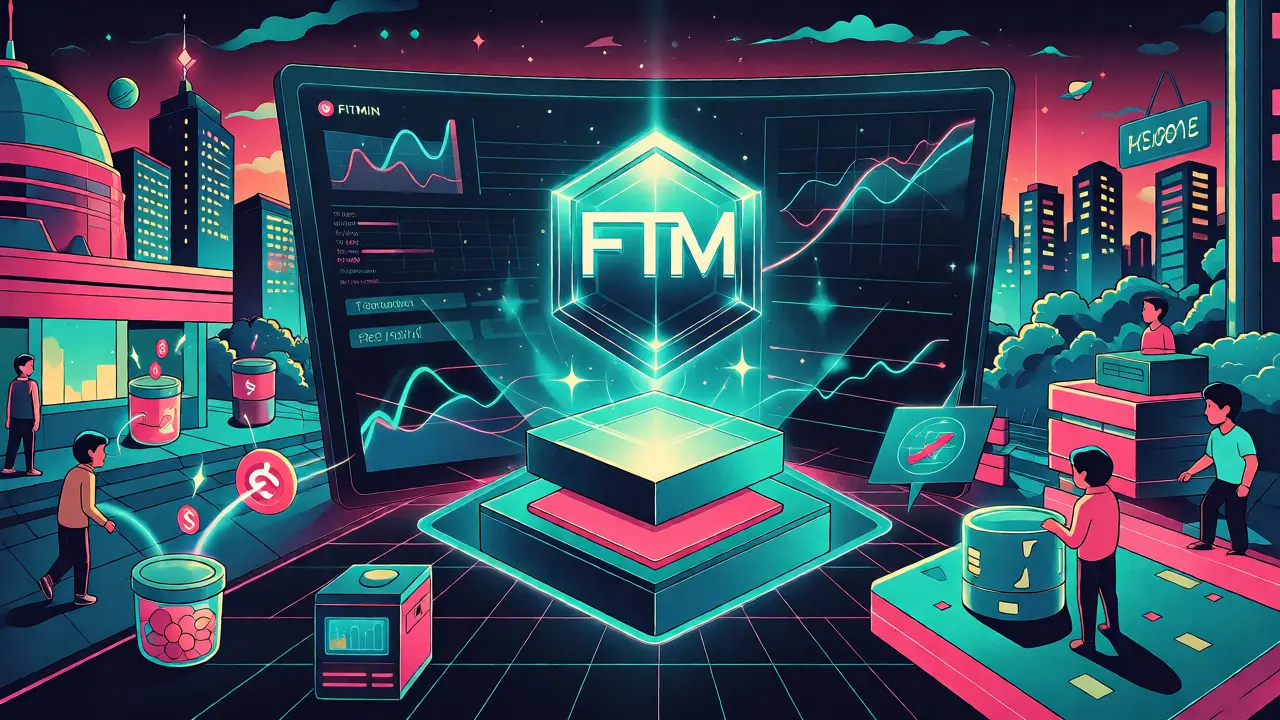
Everyone loves free money, right? But in the crypto world, "free" usually comes with a catch. You have to do something first. Maybe you traded on a specific platform, maybe you held a token for six months, or maybe you just got lucky and were early enough to claim before the servers crashed. If you've been hearing whispers about Fitmin Finance and its potential airdrop of FTM tokens, you're probably wondering if it's worth your time. Is this another vaporware project promising the moon and delivering dust, or is there real substance behind the hype?
Here is the reality check: As of late October 2026, official details regarding a confirmed, scheduled airdrop specifically branded as the "Fitmin Finance Airdrop" are scarce in mainstream aggregators. Unlike giants like Jupiter or Optimism, which have published massive, multi-season distribution plans backed by billions in value, Fitmin Finance operates in a more niche space. This doesn't mean the opportunity isn't real; it often means the criteria are tighter, the community is smaller, or the campaign is still in its stealth or early testing phases. Let's break down what we know, how these types of airdrops typically work, and how you can position yourself to capture value if Fitmin decides to go live.
Understanding the Fitmin Finance Ecosystem
To understand where the FTM token might come from, you need to understand what Fitmin Finance actually does. It isn't just a wallet or a simple exchange. Fitmin Finance is positioned within the Decentralized Finance (DeFi) sector, focusing on user-centric financial tools that bridge the gap between traditional finance habits and blockchain efficiency. The core premise usually revolves around gamified savings, automated yield strategies, or simplified cross-chain interactions.
Why does this matter for an airdrop? Because protocols reward behavior that helps them grow. If Fitmin wants users to test their new "auto-compound" feature, they will likely snapshot wallets that used it. If they want liquidity providers, they will reward those who deposited stablecoins. The FTM token serves as the governance and utility layer. Without understanding the product, you're shooting in the dark. Check their official documentation or GitHub repositories. Are people actually using the smart contracts? Look at transaction counts on block explorers like Etherscan or Solana Explorer. High volume equals high likelihood of a significant airdrop allocation.
The Mechanics of Modern Crypto Airdrops
Gone are the days when you could just hold a token and get rich. The era of easy airdrops is dead. Today, projects use sophisticated algorithms to filter out "sybil attackers"-people who create hundreds of fake wallets to farm rewards. Fitmin Finance, like many modern DeFi protocols, likely employs a points-based system.
How does this work in practice? Imagine you connect your wallet to Fitmin. Every action you take earns you points. Swapping tokens? Points. Providing liquidity? More points. Referring a friend? Bonus points. These points aren't just numbers; they are the direct multiplier for your future FTM allocation. If you accumulated 1,000 points and the average user has 500, you might get double the tokens. But beware: some projects cap the maximum payout per wallet to prevent whales from sucking up all the supply. Always read the fine print on their medium posts or Discord announcements.
| Feature | Traditional Airdrop | Modern Points-Based (Likely Fitmin Model) | Sybil-Resistant Models |
|---|---|---|---|
| Eligibility | Holding a token | Active usage metrics | KYC + Activity |
| Reward Size | Small to Medium | Variable based on effort | Larger but fewer winners |
| Complexity | Low | High (requires daily interaction) | Medium |
| Fairness | Low (whales win) | High (rewards activity) | Very High |

How to Qualify for Potential FTM Rewards
If you haven't interacted with Fitmin Finance yet, don't panic. Many projects have retroactive snapshots that look back several months. However, proactive participation is always better than reactive hoping. Here is a practical checklist to maximize your chances of qualifying for any upcoming Fitmin Finance airdrop.
- Connect and Interact: Simply connecting your wallet isn't enough. Execute at least one swap or deposit. Even small amounts count if the metric is "number of transactions."
- Provide Liquidity: If Fitmin has a liquidity pool, add funds. Stablecoin pairs (like USDC/USDT) are lower risk. Volatile pairs offer higher point multipliers but carry impermanent loss risks.
- Use New Features: Protocols love beta testers. If Fitmin launches a new dashboard tool or staking contract, be among the first 100 users. Early adopters often get exclusive badge NFTs that act as airdrop keys.
- Engage on Socials: Some airdrops require linking your Twitter handle to your wallet. Join their Discord server. Active members who answer questions or create content sometimes get separate allocations.
Keep track of your gas fees. In New Zealand, where I'm writing this, electricity costs are manageable, but Ethereum gas fees can eat into small gains. If Fitmin is on a Layer 2 network like Arbitrum or Base, or a chain like Solana, your costs will be negligible. This allows you to interact frequently without worrying about losing money on fees alone.
Verifying Legitimacy: Avoiding Scams
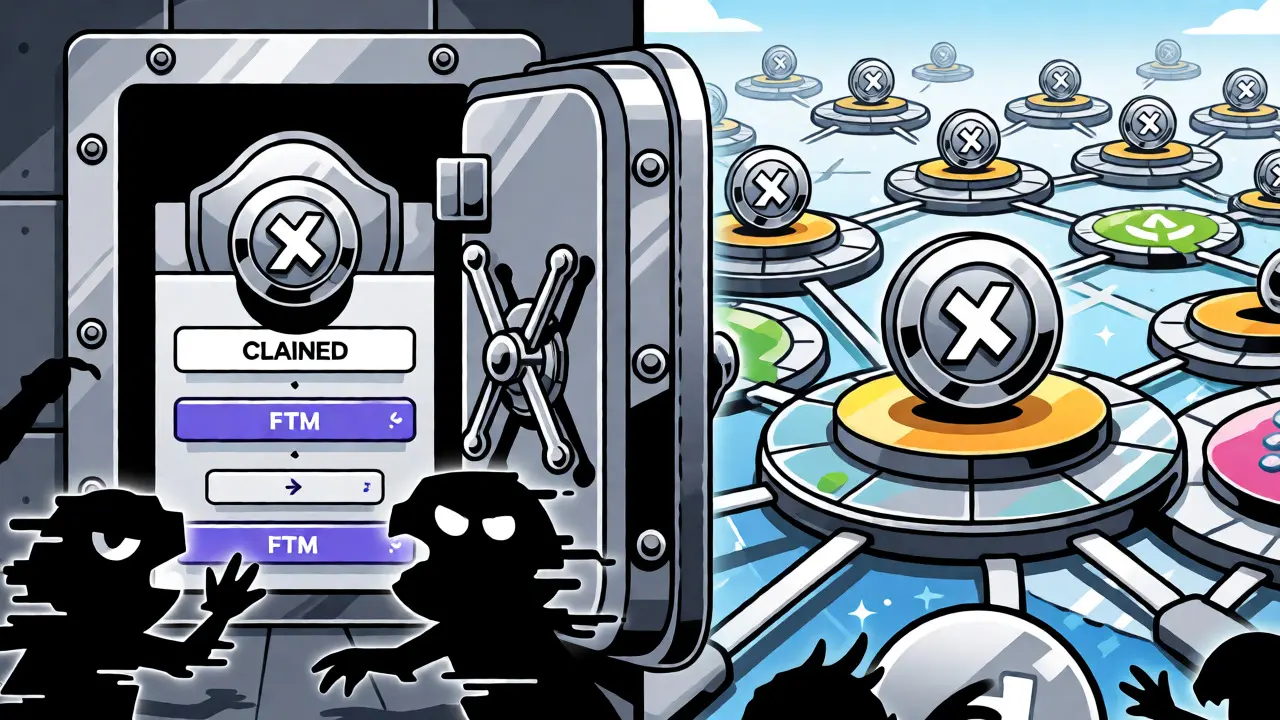
The biggest risk in crypto isn't market volatility; it's phishing scams. When an airdrop hype cycle kicks in, scammers flood social media with fake "claim" links. They ask you to connect your wallet and sign a malicious transaction that drains your funds. How do you stay safe while hunting for Fitmin tokens?
First, never click a link from a random DM or a tweet with a shortened URL. Go directly to the official website. Type it in manually if you can. Second, verify the contract address. On sites like Dune Analytics or Token Terminal, you can see if the token contract matches the one listed on CoinGecko or CoinMarketCap. Third, be skeptical of urgency. Legitimate projects rarely say "Claim now or lose forever!" They usually give you a window of weeks or months.
Also, watch out for "fake" airdrops. Sometimes, a project sends a random token to your wallet that looks like FTM but is actually a scam token named "FitminFinanceV2" or similar. Don't assume every token in your wallet is valuable. Check the holder count. If only 10 wallets hold it, it's worthless.
What Happens After the Snapshot?
Let's say you did everything right. You swapped, you staked, you tweeted. The snapshot date passes. What next? Typically, there is a waiting period ranging from two weeks to three months. During this time, the team analyzes the data. They filter out sybils (those 50 wallets you created?). Then, they announce the claim portal.
The claim process usually involves visiting a dedicated page, connecting your eligible wallet, and paying a small gas fee to mint your FTM tokens. Once claimed, the tokens appear in your wallet. Now, the hard part: holding or selling? Historical data suggests that most airdrop recipients sell within 48 hours of listing, causing a price dip. If you believe in Fitmin's long-term roadmap, hold. If you just wanted quick cash, sell half immediately to lock in profits, and let the rest ride.
Future Outlook for Fitmin Finance
Airdrops are marketing tools. Fitmin uses FTM distribution to bootstrap decentralization. By giving tokens to users, they shift control from the founders to the community. This is crucial for governance votes later on. Will Fitmin succeed? That depends on whether the product solves a real problem. Does it make saving easier? Does it simplify DeFi for beginners? If yes, the FTM token will have utility beyond speculation.
Keep an eye on partnerships. If Fitmin integrates with major exchanges like Binance or Coinbase, the visibility boost could drive the token price up. Also, monitor regulatory developments. With global crypto regulations tightening, compliant projects with clear KYC processes (if required) may attract institutional interest sooner than anonymous ones.
Is the Fitmin Finance airdrop guaranteed?
No airdrop is ever guaranteed until the team officially announces the snapshot date and eligibility criteria. Many projects promise airdrops during their fundraising phase but fail to deliver due to budget constraints or strategic shifts. Always treat airdrops as a bonus, not a salary.
What is the FTM token ticker?
The ticker is typically FTM, but be careful of confusion with Fantom (also FTM). Ensure you are looking at the correct contract address associated with Fitmin Finance specifically. Always verify via the official project documentation.
Do I need to pay taxes on airdropped tokens?
In most jurisdictions, including New Zealand and the US, airdropped tokens are considered taxable income at their fair market value upon receipt. Consult a local tax professional, as rules vary significantly by country and change frequently.
How many wallets should I create for the airdrop?
One or two distinct wallets are usually sufficient. Creating too many (more than 5) increases the risk of being flagged as a Sybil attacker. Focus on quality interactions rather than quantity of wallets.
Where can I find official Fitmin Finance updates?
Check their official X (Twitter) account, Discord server, and Medium blog. Be wary of Telegram groups, as they are often filled with bots and scammers. Verify links through multiple sources before clicking.