Future of Decentralized Finance: How DeFi Is Reshaping Money in 2026
 Jan, 6 2026
By 2026, if you still think decentralized finance is just for crypto geeks, you’re already behind. DeFi isn’t some experimental side project anymore-it’s quietly replacing the parts of banking that were broken to begin with. No more waiting three days for an international transfer. No more paying 30 cents plus 3% just to swipe a card at your local coffee shop. And no more banks deciding who gets a loan based on paperwork, not actual need.
DeFi Isn’t Replacing Banks-It’s Fixing Their Worst Parts
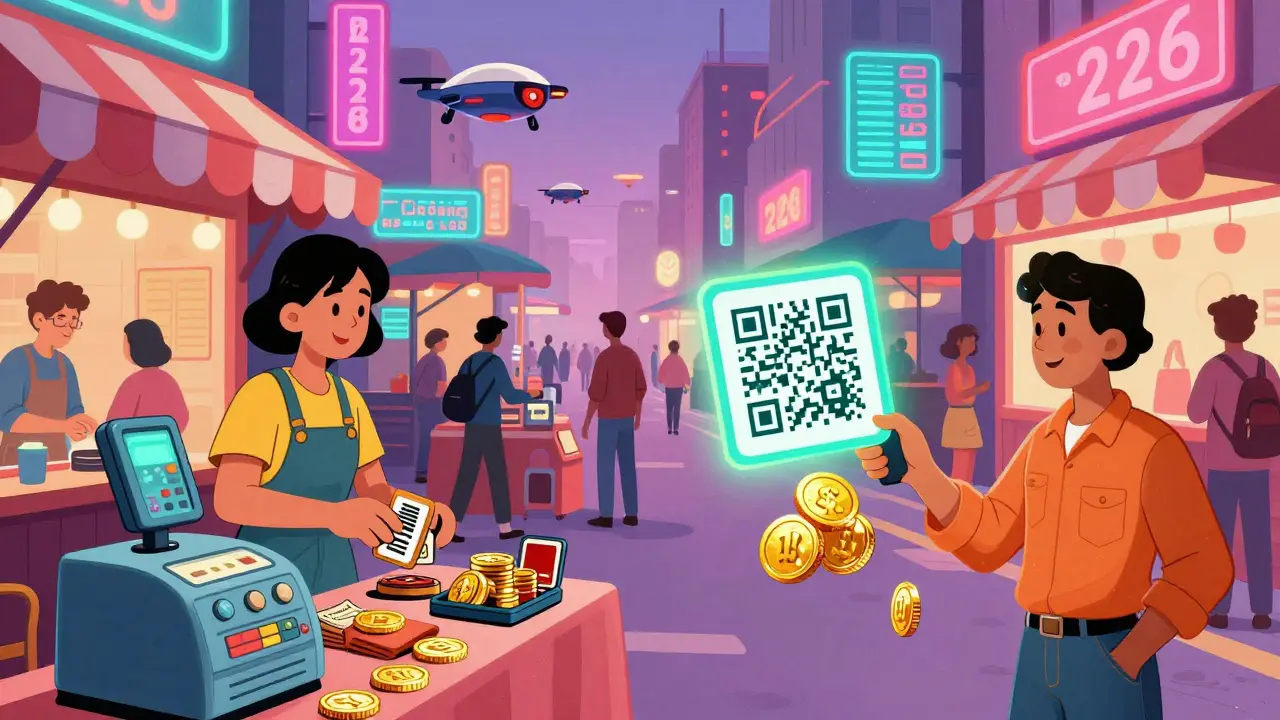
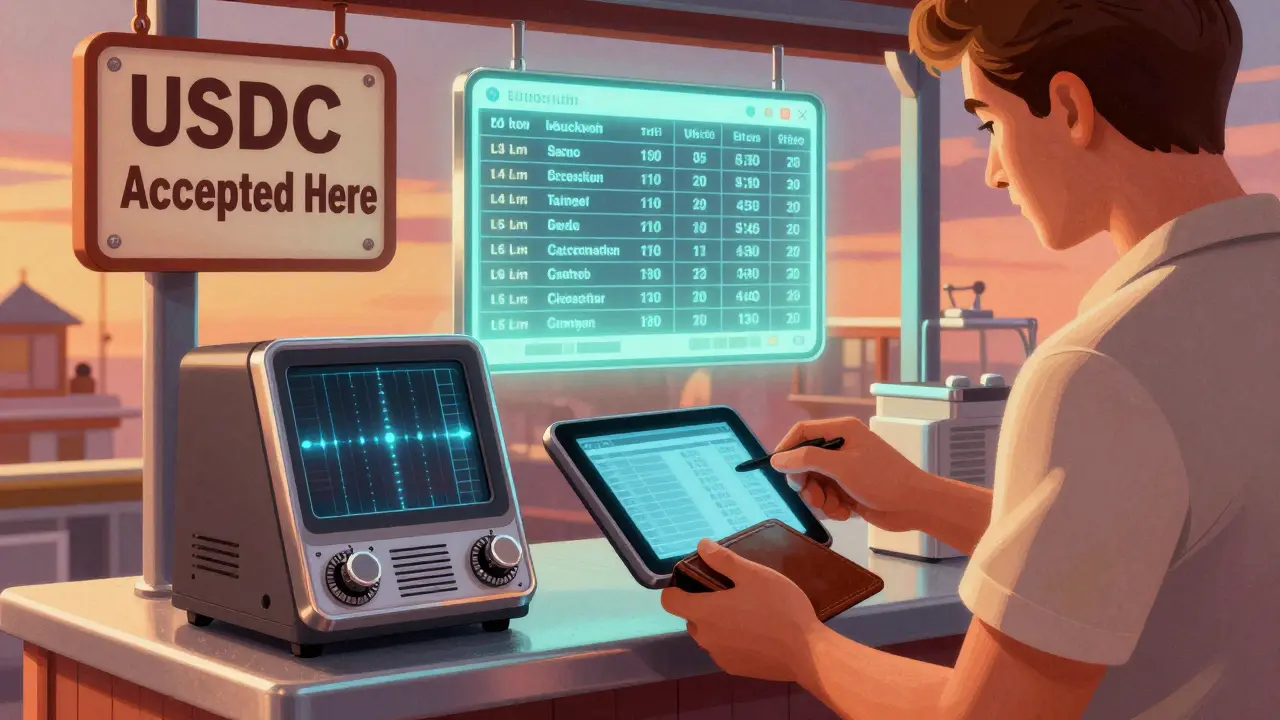
Traditional finance moves slow because it’s built on layers of middlemen. A wire transfer? That’s three different institutions verifying, clearing, and settling. A small business taking a credit card payment? They’re handing over 2-3% of every sale to Visa, Mastercard, and their processors. Meanwhile, DeFi runs on smart contracts-self-executing code that does exactly what it’s told, no human approval needed. Think of it like this: if traditional banking is a landline phone with operators connecting every call, DeFi is a smartphone with instant, direct dialing. You send money from your wallet to someone else’s wallet, and it lands in minutes-even across borders. The cost? Often less than a dollar, sometimes just a few cents. And it doesn’t matter if you’re in New Zealand, Nigeria, or Nicaragua. The system doesn’t care where you are. That’s why small businesses are leading the charge. Coffee shops, repair shops, local markets-they’re not waiting for banks to change. They’re installing DeFi wallets right next to their cash registers. A cafe owner in Wellington can now accept payments in USDC, a stablecoin pegged to the dollar, and get the full amount instantly. No chargebacks. No fraud fees. No hidden charges. Just clean, fast, cheap money.Wallets Are the New Bank Accounts
If you’re going to use DeFi, you need a wallet. Not the kind you carry in your pocket, but a digital one that holds your crypto and connects you to DeFi apps. And these aren’t the clunky, scary wallets from 2018 anymore. Today’s wallets-like MetaMask, Trust Wallet, or Ledger Live-have become full financial hubs. You can swap tokens, earn interest by lending your crypto, stake your coins to help secure networks, and even buy insurance against smart contract failures-all inside one interface. Many now support multiple blockchains at once, so you’re not stuck on Ethereum alone. Some even let you log in with your fingerprint or face ID, just like your phone. Hardware wallets like Ledger and Trezor have also gotten smarter. They’re no longer just cold storage for long-term holdings. You can now connect them to DeFi apps securely, sign transactions offline, and keep your private keys away from hackers. That’s huge. Because in DeFi, if you lose your private key, your money is gone forever. There’s no customer service line to call. No reset button. That’s why security isn’t optional-it’s the foundation.Why DeFi Is Faster, Cheaper, and More Transparent
Let’s break down the real differences:- Speed: Cross-border bank transfer? 3-7 days. DeFi transaction? Under 5 minutes.
- Cost: Credit card fee for a $10 coffee? Around 35 cents. DeFi fee? Often 1-5 cents.
- Transparency: Every DeFi transaction is recorded on a public blockchain. You can look up anyone’s wallet and see every trade, loan, or payment they’ve ever made. No hidden fees. No secret terms.
- Access: No credit score? No bank account? No ID? Doesn’t matter. If you have a phone and internet, you can use DeFi.
The Big Hurdles: Complexity and Risk
But here’s the truth: DeFi isn’t easy. And it’s not risk-free. Most people who try it for the first time get overwhelmed. You’ve got gas fees, liquidity pools, slippage, impermanent loss, yield farming, APY rates-terms that don’t exist in traditional banking. And if you make a mistake? Like sending ETH to the wrong address or approving a malicious contract? There’s no undo button. Your money is gone. That’s why the biggest barrier isn’t technology-it’s education. A 2025 survey from the DeFi Education Foundation found that 68% of new users gave up within two weeks because they couldn’t figure out how to safely use a wallet. Even those who stuck with it took an average of 10 weeks to feel comfortable doing basic lending or staking. And then there’s the lack of consumer protection. Credit cards give you chargebacks. Banks have fraud monitoring. DeFi? You’re on your own. If a smart contract gets hacked, or a protocol collapses, there’s no FDIC insurance. That’s why enterprise adoption has been slow. Big companies need liability coverage, compliance, and recourse. DeFi doesn’t offer that-yet.What’s Changing in 2026? Regulation, CBDCs, and Tokenized Assets
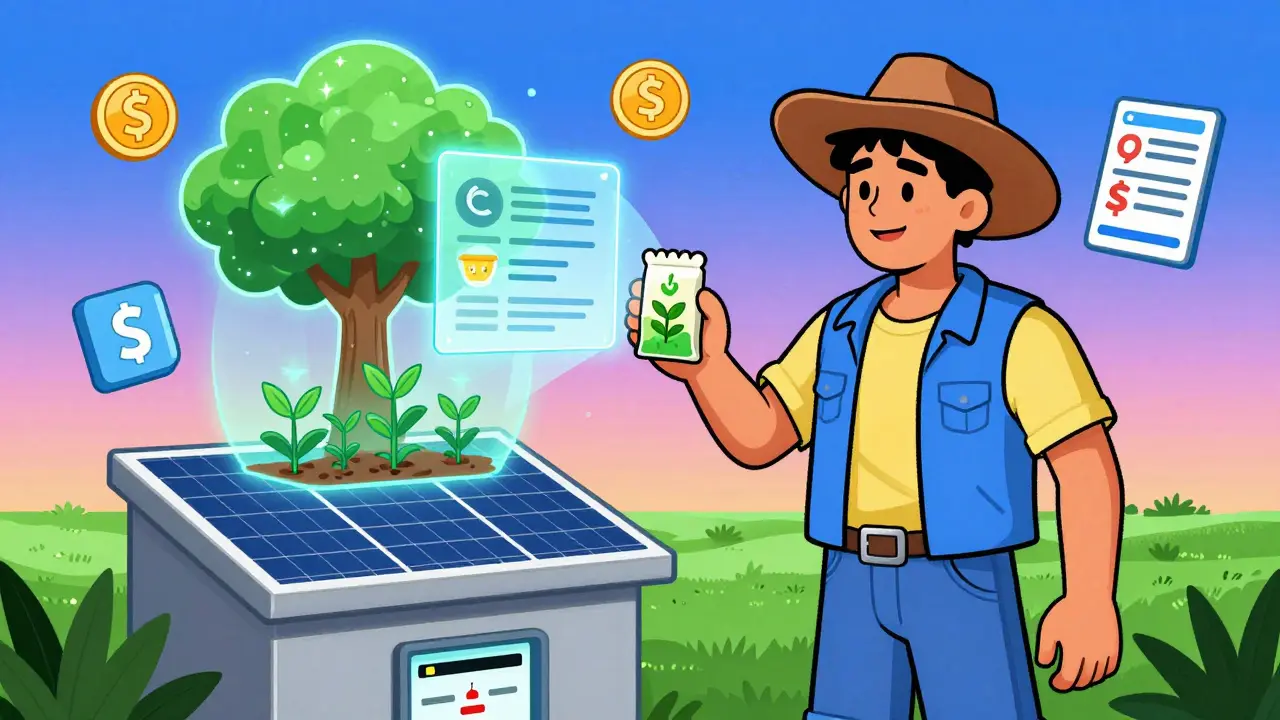
The good news? The rules are finally catching up. In 2025, the UK launched its first digital securities sandbox, letting regulated firms test tokenized bonds and stocks on blockchain. The EU passed the Markets in Crypto-Assets (MiCA) law, giving clear rules for stablecoins and DeFi platforms. Even the U.S. Treasury started talking seriously about digital government bonds. The biggest game-changer? Central Bank Digital Currencies (CBDCs). Countries like Australia, Sweden, and Singapore are testing their own digital dollars, krona, and dollars. These aren’t crypto-they’re government-backed digital money. And here’s the key: they’re being designed to work with DeFi protocols. Imagine this: your local bank gives you a digital dollar from the Reserve Bank of Australia. You can then lend it out on a DeFi platform to earn 4% interest. Or use it as collateral to borrow stablecoins. That’s not science fiction-it’s already being piloted. Tokenized real-world assets are another leap. Solar panels on rooftops? Now they can be turned into digital tokens. Each token represents a share of the energy produced. You buy one, you earn a portion of the electricity revenue. Real estate, art, even wine barrels are being tokenized. DeFi isn’t just about money anymore-it’s about owning and trading anything.