How Blockchain Ensures Election Integrity: A Guide to Secure Voting
 Apr, 26 2026
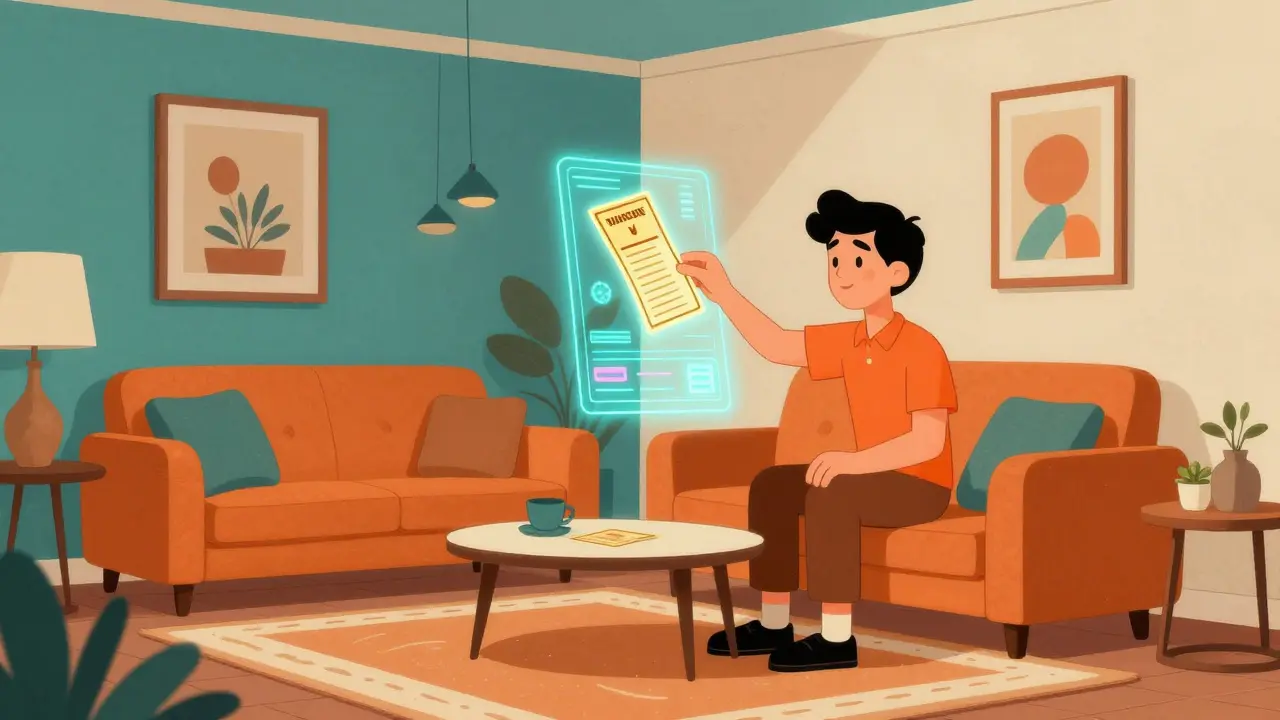
Imagine a world where you can cast your vote from your living room, and you have a digital receipt that proves your vote was counted exactly as you intended, without any one person or government agency being able to change it. It sounds like science fiction, but this is the promise of blockchain election integrity is the use of distributed ledger technology to ensure that votes are recorded accurately, cannot be tampered with, and are transparently verifiable. For decades, we've relied on paper ballots or centralized electronic machines, both of which have a glaring weakness: they rely on a "trusted" middleman to count the results.
Key Takeaways
- Immutability: Once a vote is cast on a blockchain, it cannot be deleted or changed.
- Decentralization: No single server or authority controls the data, removing single points of failure.
- Transparency: Public ledgers allow independent observers to verify results in real-time.
- Authentication: Biometrics and digital IDs prevent double-voting and identity theft.
The Problem with the "Old Way" of Voting
Whether it's a paper ballot in a wooden box or a touch-screen machine, traditional systems have a centralization problem. When votes are aggregated at regional or national levels, they pass through several sets of human hands and centralized databases. If a hacker gains access to one central server, or if a corrupt official alters a spreadsheet, the entire election result can be skewed.
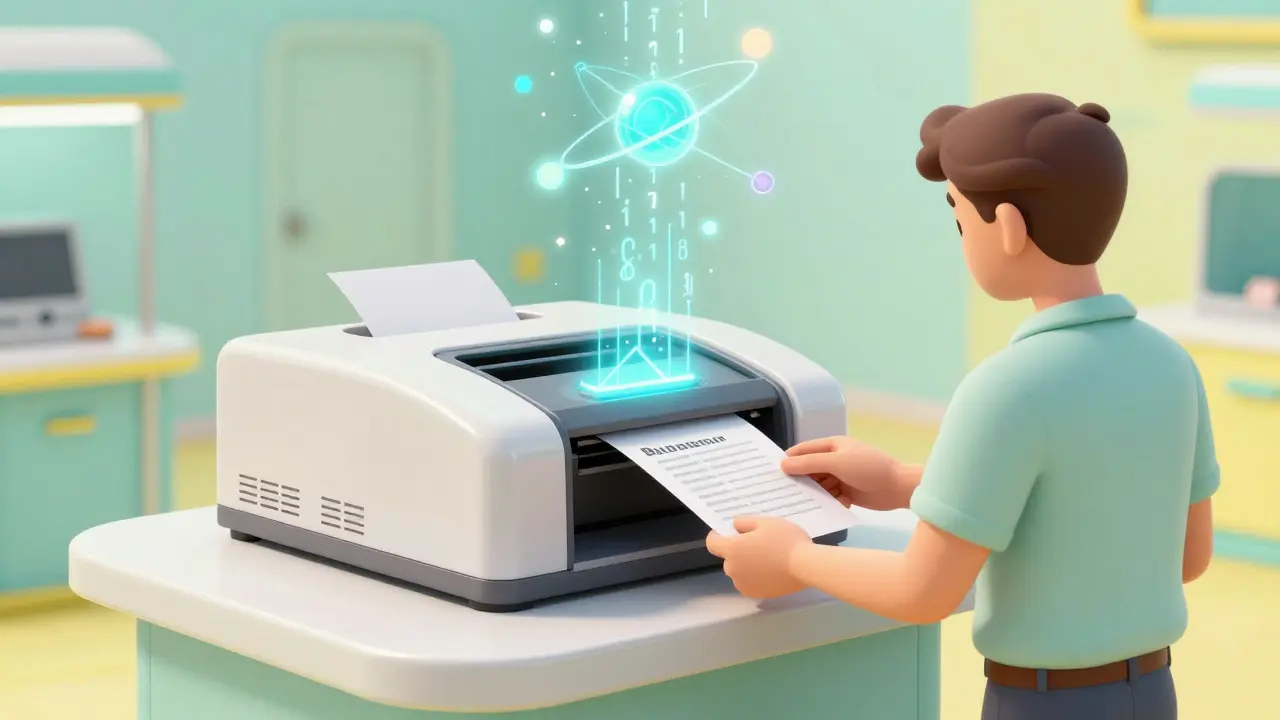
This is where a Distributed Ledger comes in. Unlike a standard database, a distributed ledger is copied across thousands of computers (nodes) globally. To change one vote, a bad actor would have to hack more than half of these nodes simultaneously-a feat that is practically impossible with current computing power. This shifts the trust from a small group of people to a mathematical protocol.
How the Tech Actually Works
To get a vote from your finger to a final tally securely, blockchain uses a combination of three main tools: smart contracts, encryption, and consensus mechanisms.
First, there are Smart Contracts. These are self-executing contracts with the terms written directly into code. In an election, a smart contract acts as the digital poll worker. It verifies that you are a registered voter, checks that you haven't already voted, and then records your choice. Because it's code, there's no room for "human error" or bias during the recording process.
Next is the encryption. Votes are wrapped in cryptographic layers. This means that while the system knows *that* a vote was cast and *who* cast it (for authentication), the actual choice remains hidden until the tallying phase. This protects voter privacy while maintaining a public trail of activity.
Finally, the system uses a consensus mechanism. Instead of one central office deciding the count, the network of nodes agrees on the state of the ledger. If one node tries to inject fake votes, the other nodes will see that the data doesn't match their records and will reject the change automatically.
Comparing Voting Methods
It's easier to see the value when you compare blockchain against the tools we use today. Most conventional electronic systems are just "digital versions of paper," meaning they still use central databases that can be breached.
| Feature | Paper / Conventional Electronic | Blockchain-Based |
|---|---|---|
| Trust Model | Trust in central authority | Trust in cryptography/math |
| Auditability | Post-election manual audits | Real-time, independent audit |
| Single Point of Failure | High (Central Servers/Boxes) | None (Distributed Nodes) |
| Tamper Resistance | Moderate (Physical Seals) | Very High (Immutable Ledger) |

The Role of Biometrics and Identity
A blockchain is only as good as the data going into it. If someone can steal your identity and vote on your behalf, the "immutable" nature of the blockchain actually becomes a problem because that fake vote can't be removed. This is why Biometric Authentication is a critical partner to blockchain voting.
Modern systems integrate KYC (Know Your Customer) protocols and biometric data-like fingerprints or facial recognition-to create a unique blockchain ID. When you go to vote, the system doesn't just check a password; it verifies your physical identity. This ensures a one-person-one-vote rule that is far harder to spoof than a social security number or a voter ID card.
Real-World Hurdles and the Road Ahead
If this sounds perfect, why aren't we all using it? Because moving a national election to the blockchain is a massive undertaking. First, there's the "Digital Divide." Not everyone has a smartphone or a stable internet connection. If you require a high-tech device to vote, you're effectively disenfranchising millions of elderly or low-income citizens.
Then there's the technical learning curve. Election administrators aren't usually software engineers. Implementing a system using Ethereum nodes or custom side-chains requires specialized training. Studies suggest that administrators need between 6 to 12 months of training just to manage the infrastructure and deploy the necessary smart contracts safely.
We've seen some early success, though. Estonia has been a pioneer in e-governance, integrating blockchain components into their state services to prevent unauthorized changes to citizen data. While they haven't gone full blockchain for every single national vote, they've proven that the public can trust a digital-first government.
How to Implement a Blockchain Voting Pilot
For organizations or small municipalities looking to test this, the process isn't as simple as downloading an app. It requires a structured rollout:
- Establish the Node Network: You need a set of servers (nodes) distributed across different locations. If the government owns all the nodes, it's not truly decentralized. Involve universities, NGOs, and independent auditors to host nodes.
- Develop the Smart Contract: Write the logic for voter eligibility and vote recording. This code must be audited by third-party security firms to ensure there are no "backdoors."
- Integrate Identity Verification: Connect the system to a secure biometric or digital ID database to ensure each voter is unique.
- Run a "Synthetic Population" Test: Before a real election, use simulated data to see how the system handles peak traffic. If a million people vote at 8:00 PM, will the network lag?
- Voter Education: Run campaigns to explain how the digital receipt works, so people feel confident that their vote wasn't lost in the cloud.
Future Outlook: Hybrid Systems
The most likely future isn't a total jump to the blockchain, but a hybrid approach. Imagine a physical polling station where you cast a paper ballot, but that ballot is immediately scanned and recorded on a blockchain. This gives you the tactile comfort of paper and the unhackable security of a distributed ledger.
As we move into 2026 and beyond, the focus is shifting toward scalability. New updates in smart contract efficiency are allowing networks to handle millions of transactions per second, making national-scale elections more feasible. When the cost of trust becomes too high, the mathematical certainty of the blockchain becomes the only logical choice.
Can a blockchain vote be hacked?
While no system is 100% foolproof, hacking a blockchain is fundamentally different from hacking a database. To change a vote, an attacker would need to control a majority of the network's computing power (a 51% attack). In a large, distributed network, this is computationally and financially nearly impossible.
Does blockchain voting compromise voter anonymity?
No, if implemented correctly. Systems use zero-knowledge proofs or advanced encryption. This allows the system to verify that you are a valid voter without ever linking your identity to the specific choice you made on the ledger.
What happens if I lose my digital voting key?
Most professional electoral systems use "custodial" or multi-signature recovery. By using biometric authentication (like a thumbprint or retina scan), the system can re-verify your identity and grant you access to your voting rights without relying on a single password or private key.
Is blockchain voting legal in most countries?
Currently, most countries have restrictive laws regarding electronic voting. However, several jurisdictions are exploring pilot programs. Legislation is usually the slowest part of the process, lagging behind the actual technical capability.
How is this different from a regular digital database?
A regular database is controlled by one entity (like a company or government) who can edit or delete entries. A blockchain is a shared ledger; once a piece of data is added, it is "chained" to the previous one with a cryptographic hash, making it impossible to change without changing every subsequent block in the chain across all nodes.