How to Launch a Social Token: A Practical Guide for Creators
 Oct, 15 2026
Imagine owning a tiny slice of your favorite musician’s career. Not just buying their album, but holding a stake that grants you early access to demos, voting rights on tour locations, or even a cut of their merch revenue. That’s the promise of Social Tokens, a specialized category of cryptocurrency designed to monetize personal brands and communities by tying value directly to an individual's social capital rather than traditional market speculation. But while the concept sounds revolutionary, launching one isn’t as simple as hitting 'publish' on Instagram.
If you’re a creator eyeing this space, you might be wondering if it’s worth the hassle. After all, Coinbase reported a 217% year-over-year increase in social token transactions from Q4 2023 to Q4 2024, signaling massive interest. Yet, Electric Capital's Developer Report shows only 38% of these projects maintain active development beyond six months. So, how do you beat the odds? This guide breaks down exactly what it takes to launch a social token that actually survives-and thrives-in today’s volatile market.
Why Bother With a Social Token?
Let’s get real about the money. The global Creator Economy is valued at $250 billion in 2025, up significantly from previous years. Within this ecosystem, social tokens have generated $3.8 billion in direct revenue for creators in 2024 alone. Why the shift away from standard subscriptions like Patreon? Because social tokens create alignment. When fans hold your token, they aren’t just consumers; they’re investors in your success. If you grow, their asset grows. It turns passive listeners into active promoters.
However, this model isn’t for everyone. A study by Harvard Business Review found that creators with fewer than 10,000 highly engaged followers faced an 82% failure rate. If your community is small or disengaged, a token might just add complexity without adding cash. You need a critical mass of people who care enough to buy and hold your currency.
The Three Flavors of Social Tokens
Not all social tokens are created equal. Before you write any code, you need to decide which type fits your brand. Misidentifying your token’s purpose is a common reason for launch failures.
| Token Type | Primary Value Proposition | Best For | Retention Rate |
|---|---|---|---|
| Creator Tokens | Exclusive content access, tiered benefits based on holdings. | Musicians, Artists, Influencers (e.g., $RAC) | Moderate (68% offer tiered access) |
| Community Tokens | Decentralized governance, voting rights, DAO participation. | Niche communities, DAOs (e.g., FWB, $BANK) | High (42% higher than creator tokens) |
| Platform Tokens | Ecosystem utility, transaction fees, platform growth. | Apps, Gaming Guilds, Service Platforms (e.g., $RLY) | Variable (depends on app usage) |
Creator tokens are the most common entry point. They monetize your ongoing relationship with your audience. Unlike NFTs, which sell a one-off digital item, a social token sells access to *you*. According to Mighty Networks, 73% of surveyed creators reported social tokens generated 3.2x more recurring revenue than NFTs. Community tokens, on the other hand, work best when you want to decentralize decision-making. If you’re building a club where members vote on events, this is your lane.
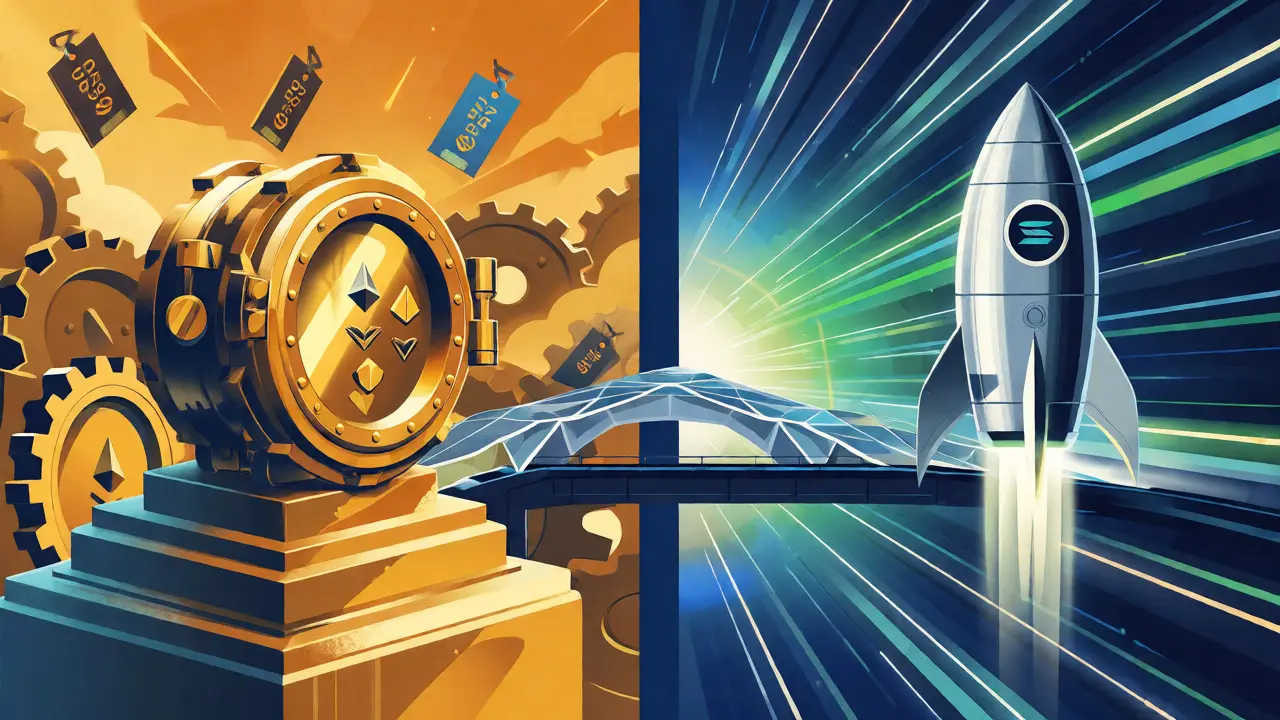
Technical Setup: Ethereum vs. Solana
You don’t need to be a senior engineer to launch a token, but you do need to pick a blockchain. Your choice dictates cost, speed, and user accessibility.
Ethereum remains the gold standard for credibility. It processes 15-30 transactions per second, but gas fees can spike above $50 during high-demand periods. However, the recent Dencun upgrade reduced these costs by 90% for many operations. If your audience already uses MetaMask and understands crypto, Ethereum is safe. Just budget $220-$1,100 for deployment and audit costs.
Solana offers a different trade-off. It handles 65,000 transactions per second with fees costing roughly $0.01. This makes it ideal for high-volume interactions, like gaming or frequent micro-transactions. Platforms like Phantom Wallet make it accessible, but the technical barrier for developers can be steeper if you’re using SPL tokens instead of ERC-20 standards.
For most new creators, starting on a Layer 2 solution like Polygon is often the smartest move. It inherits Ethereum’s security but keeps fees negligible, removing friction for fans who might balk at paying $20 to claim a free token.
Designing Your Tokenomics
This is where most launches fail. "Tokenomics" is just a fancy word for the economic rules governing your token. If you don’t define them clearly, your token will likely crash.
- Total Supply: How many tokens exist? Fixed supply creates scarcity; inflationary models reward early holders but dilute value over time.
- Distribution: Who gets what? A common mistake is giving too much to the team. Successful projects cap team allocation at 20% with a 12-month vesting schedule. This prevents founders from dumping their bags on day one.
- Utility Mapping: What does the token actually do? Be specific. Does 100 tokens equal one month of exclusive Discord access? Does holding 500 tokens grant voting rights? Vague promises lead to vague value.
Audit your contract before launch. TokenSniffer reported that 18% of social tokens launched in 2024 contained critical vulnerabilities. Spending $5,000-$15,000 on a professional audit from firms like CertiK isn’t optional-it’s insurance against hacks that could wipe out your community’s trust overnight.
Launch Strategy: Don’t Go Public Immediately
Resist the urge to list on major exchanges right away. Instead, start with a private sale to your core community. This serves two purposes: it tests demand and builds a base of loyal holders who won’t panic-sell when volatility hits.
Use platforms like Rally or TokenMinds to handle the initial distribution. These services manage the wallet connections and smart contract deployments, reducing the technical load on you. Once you have a stable holder base, you can explore listing on decentralized exchanges like Uniswap or Raydium for broader liquidity.
Remember the case of influencer 'CryptoQueen,' whose $QUEEN token lost 92% of its value after inconsistent content delivery. Her mistake wasn’t the tech; it was the lack of sustained engagement. Your token’s price is a reflection of your activity. If you stop posting, the value drops. Treat the launch as the beginning of a marathon, not the finish line.

Regulatory Landmines
Here’s the part nobody likes talking about: laws. In the US, the SEC has placed 41% of social tokens in legal gray areas. Are they securities? Commodities? Utilities? The answer depends on how you market them.
If you tell fans, "Buy this token because the price will go up," you’re flirting with being classified as a security. If you say, "Buy this token to unlock my premium newsletter," you’re leaning toward utility. The EU’s MiCA framework provides clearer guidelines, but if you’re in New Zealand or the US, consult a lawyer specializing in digital assets. The SEC’s proposed 'Creator Token Framework' aims to exempt tokens under $10 million market cap from certain requirements if they demonstrate clear utility, but regulations are still evolving.
Key Takeaways
- Engagement First: Don’t launch unless you have at least 5,000-10,000 highly engaged followers.
- Clear Utility: Define exactly what the token buys-access, votes, or status.
- Vesting Matters: Lock up team tokens for 6-12 months to build trust.
- Security Audit: Never skip the professional audit; it protects your reputation.
- Start Small: Begin with a private community sale before opening to the public.
Do I need coding skills to launch a social token?
No, not necessarily. While understanding basics helps, platforms like Rally, TokenMinds, and Coinvise offer no-code solutions that allow you to deploy standard ERC-20 or SPL tokens through a user-friendly interface. You’ll still need to understand the economics, but you don’t need to write Solidity code yourself.
How much does it cost to launch a social token?
Costs vary by blockchain. On Ethereum, expect $220-$1,100 for deployment and gas fees, plus $5,000-$15,000 for a security audit. On Solana or Polygon, deployment costs are negligible (under $1), but you may still pay for audits and marketing. Budget primarily for auditing and community management tools.
What happens if my token price crashes?
Volatility is inherent. Social tokens experienced 63% average price volatility in 2024. To mitigate this, ensure your token has tangible utility (like exclusive content) so holders stay for the value, not just the price appreciation. Transparent communication during dips is crucial to prevent panic selling.
Can I convert my existing Patreon subscribers to token holders?
Yes, and it’s a great strategy. Offer current subscribers a discount or bonus tokens if they migrate to holding your social token. This reduces friction and leverages your existing trust. Ensure the transition doesn’t alienate non-crypto users by offering fiat on-ramps or easy conversion options.
Is a social token better than an NFT?
It depends on your goal. NFTs are best for selling unique, one-time digital collectibles. Social tokens are better for ongoing relationships and recurring revenue. Data shows social tokens generate 3.2x more recurring revenue than NFTs for creators focused on long-term community engagement.