Is There a Ross Ulbricht (ROSS) Crypto Coin? Myth vs. Reality
 Oct, 23 2026
You might have heard whispers in Telegram groups or seen a flashy ad promising the next big thing: the Ross Ulbricht crypto coin, often referred to as ROSS. The idea sounds compelling. Ulbricht is a legend in the space, the founder of Silk Road who spent over a decade in prison for his role in early digital commerce. Surely, if he were to launch a token, it would be the next Bitcoin, right?
Here is the hard truth that saves you from wasting money on a phantom asset: There is no official Ross Ulbricht cryptocurrency. As of late 2026, no legitimate blockchain project named "ROSS" exists that was created by, endorsed by, or officially launched by Ross Ulbricht himself. If you are seeing a token with this ticker symbol trading on obscure exchanges, it is almost certainly a meme coin, a scam, or a third-party tribute token with zero connection to the man himself. This article breaks down why this confusion persists, what Ulbricht’s actual relationship with crypto is, and how to spot these fake assets before they drain your wallet.
The Origin of the ROSS Coin Myth
Why does everyone think there is a ROSS coin? It stems from a mix of nostalgia, poor information hygiene, and opportunistic marketers. Ross Ulbricht didn’t invent a new blockchain; he invented a marketplace. He operated Silk Road, an illegal darknet market that ran on the Tor network using Bitcoin as its exclusive currency. When people hear "Silk Road," they think "Bitcoin." But when they hear "Ulbricht," they assume he must have had his own token to facilitate those trades.
This assumption ignores how Bitcoin worked back then. In 2011, when Silk Road launched, Bitcoin was trading for pennies. Ulbricht didn’t need a new coin because Bitcoin was already doing exactly what he needed: providing pseudonymous, decentralized payments. He used Bitcoin. He didn’t fork it, rename it, or create a sister coin. The confusion likely grew after his arrest and subsequent imprisonment, where fans began creating unofficial tokens to show support. These weren’t investments in Ulbricht’s technology; they were digital donations or speculative bets on his eventual release.
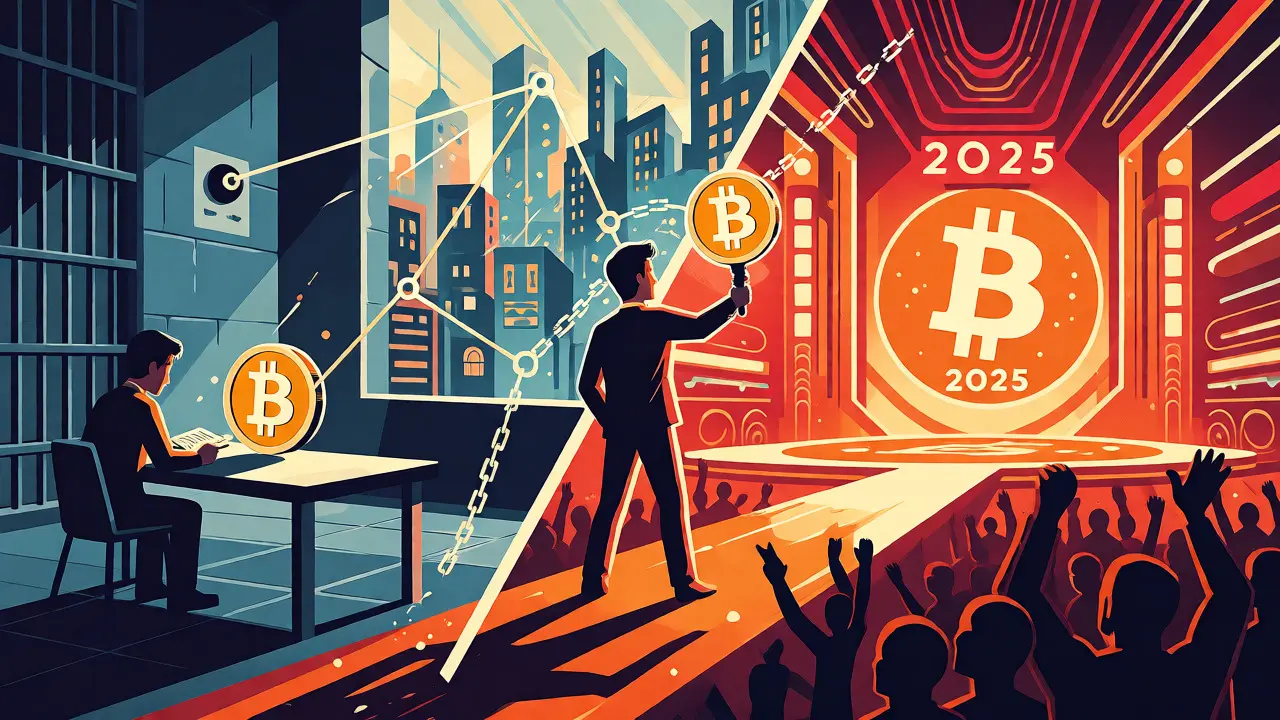
A major catalyst for the recent spike in interest was Ulbricht’s presidential pardon in January 2025. After more than ten years behind bars, his sudden return to public life sparked a frenzy. Media outlets covered his speech at the Bitcoin 2025 conference in Las Vegas, where he spoke about freedom and decentralization. Unfortunately, many casual observers missed the nuance. They heard "Ulbricht returns to crypto scene" and assumed he brought a product with him. He didn’t. He brought a story.
What Ross Ulbricht Actually Did With Bitcoin
To understand why a ROSS coin doesn’t exist, you have to look at what Ulbricht actually built. His genius wasn’t in coding a new blockchain protocol. It was in applying existing technology-specifically Bitcoin and Tor-to solve a specific problem: anonymous global trade.
- Bitcoin Integration: Silk Road required users to hold Bitcoin. Ulbricht implemented an escrow system where funds were held in multi-signature wallets until goods were delivered. This relied entirely on Bitcoin’s scripting capabilities, not a custom token.
- Operational Security: Ulbricht used Bitcoin’s pseudonymity, not anonymity. Every transaction was recorded on the public ledger. Chainalysis, the blockchain analytics firm, later confirmed that Ulbricht received an anonymous gift of 300 Bitcoin (worth roughly $31.4 million at the time) while in prison. This proves his connection to Bitcoin holdings, not a proprietary coin.
- No Whitepaper: Legitimate cryptocurrencies like Ethereum or Solana have whitepapers detailing their consensus mechanisms, supply schedules, and use cases. There is no technical whitepaper for a "ROSS" coin authored by Ulbricht. Any document claiming otherwise is fabricated.
When Ulbricht walked out of prison in 2025, he admitted in interviews that he was overwhelmed by the technological changes. He noted that dozens of new blockchains had emerged since 2013. He explicitly stated, "I wish I had that kind of technical brilliance [to create a coin], but I didn’t. I just saw Bitcoin’s potential for freedom." This quote should be the final nail in the coffin for anyone still hunting for an official Ulbricht token.
Spotting Fake Tokens and Scams
If you search for "ROSS" on major aggregators like CoinGecko or CoinMarketCap, you will find several small-cap tokens. None of them are official. Some are named after him, some use his face, and some claim to be "Ulbricht’s vision." How do you tell the difference between a harmless fan token and a predatory scam?
| Feature | Official Bitcoin Holdings | Unofficial "ROSS" Tokens |
|---|---|---|
| Creator | N/A (Bitcoin created by Satoshi Nakamoto) | Anonymous developers or scammers |
| Endorsement | Used by Ulbricht personally | Zero endorsement from Ulbricht |
| Utility | Store of value, medium of exchange | Speculative, often no utility |
| Liquidity | Trillions in global volume | Low volume, high volatility |
| Verification | On-chain history linked to Ulbricht | No verifiable link to Ulbricht |
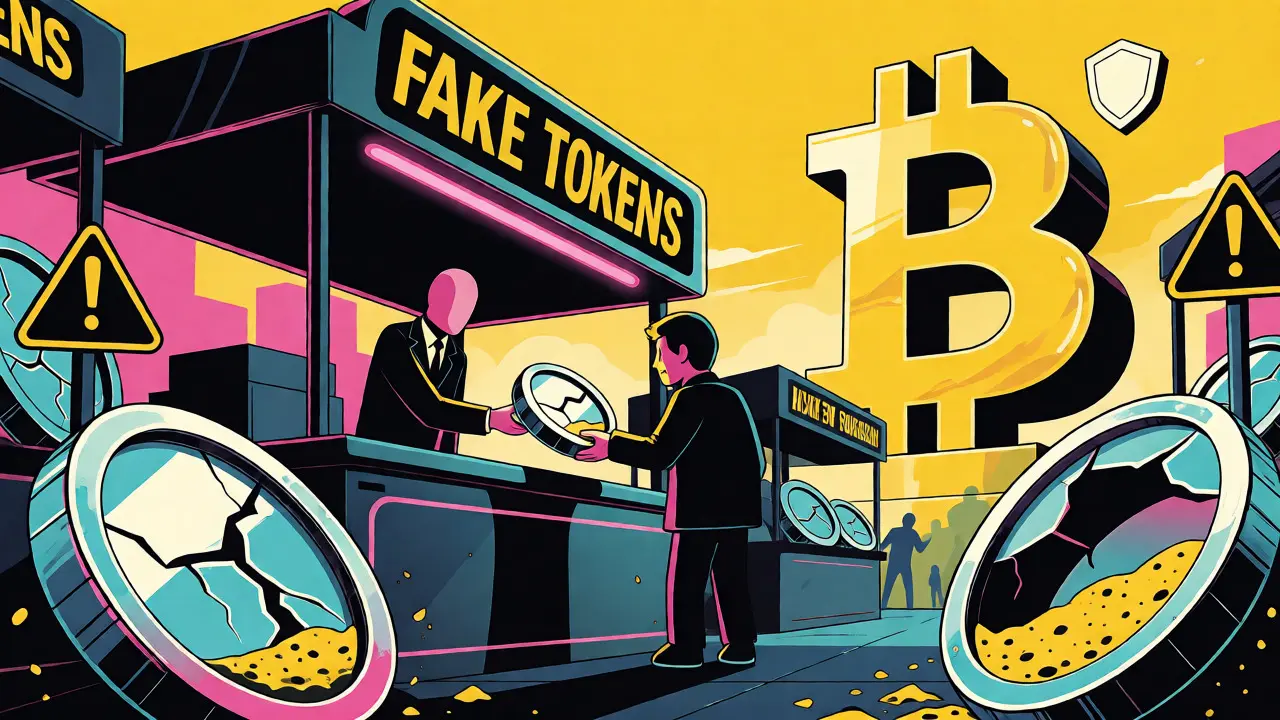
Be wary of any token that promises "returns" simply because Ulbricht is free. Since his release, fraud analysts have reported pump-and-dump schemes involving fake ROSS tokens. One report indicated that nearly 1,200 investors lost approximately $378,000 to such scams in early 2025. These schemes rely on the emotional connection fans feel toward Ulbricht’s struggle. They market the token as a way to "support Ross," but in reality, the liquidity goes straight into the pockets of the insiders who minted the token.
Always check the contract address. If a developer cannot point to a verified GitHub repository or a clear roadmap approved by Ulbricht’s team, it’s noise. Ulbricht has been vocal about supporting Bitcoin specifically, often criticizing the proliferation of altcoins that lack fundamental value. It is highly unlikely he would endorse a low-cap altcoin bearing his name.
Why the Confusion Persists in 2026
Even two years after his release, the myth lingers. Why? Because the narrative of the "Crypto Martyr" is powerful. New entrants to the crypto space often learn about Bitcoin through the lens of Silk Road. They see headlines about "The Silk Road King Returns" and naturally assume he brought a kingdom with him. Social media algorithms amplify this confusion. A tweet saying "Buy ROSS now!" gets more engagement than a nuanced explanation that ROSS is just a meme.
Furthermore, the term "ROSS" itself is catchy. It’s short, easy to remember, and directly references the protagonist. Marketing teams love it. Even if Ulbricht never launches a coin, someone else always will. This creates a permanent state of ambiguity for newcomers. They can’t easily distinguish between the person, the historical event, and the speculative assets trying to capitalize on both.
Regulatory bodies haven’t helped much either. The SEC and CFTC have filed actions against various crypto projects, but none have specifically banned a "ROSS" coin because, technically, it doesn’t exist as a single unified entity. Instead, they’ve targeted specific fraudulent issuers. This leaves the broader concept of "Ulbricht coins" floating in a regulatory gray area, making it harder for average users to trust any token associated with his name.
How to Invest in Ulbricht’s Legacy Correctly
If you want to invest in the philosophy Ross Ulbricht represents, don’t buy a fake token. Buy Bitcoin. Ulbricht’s core argument was that Bitcoin enables financial sovereignty. By holding Bitcoin, you align yourself with the very tool he championed. You don’t need a proxy token to express your belief in his ideals.
Consider these steps if you are looking to engage with the Ulbricht narrative:
- Verify the Source: Check Ulbricht’s official social media accounts (if active) or his foundation’s website. If he hasn’t announced a token, assume it’s unofficial.
- Analyze the Contract: Use tools like Etherscan or Blockchair to look up any "ROSS" token. Look for top holders. If one wallet holds 90% of the supply, run away.
- Ignore Hype Metrics: Don’t buy based on Twitter sentiment alone. Sentiment can be bought. Look for organic community growth and transparent development updates.
- Diversify: If you believe in altcoins, look for projects with working products, not just celebrity associations. Ulbricht himself has expressed skepticism about the sheer number of new blockchains, suggesting quality over quantity matters more.
Ultimately, Ross Ulbricht’s legacy is tied to Bitcoin’s resilience, not to a new ticker symbol. His story is a testament to the power of decentralized networks to survive censorship and imprisonment. That value proposition is captured perfectly by Bitcoin itself. Adding a layer of speculation with a non-existent "ROSS" coin only dilutes the clarity of his message.
Did Ross Ulbricht create a cryptocurrency called ROSS?
No, Ross Ulbricht did not create a cryptocurrency called ROSS. He used Bitcoin exclusively for Silk Road transactions. Any token currently trading under the ticker ROSS is an unofficial, third-party creation with no direct involvement from Ulbricht.
Is the ROSS coin a good investment?
It is highly risky. Most ROSS-branded tokens are meme coins with little to no utility. They are subject to extreme volatility and pump-and-dump schemes. Without official endorsement from Ulbricht, their long-term value is questionable compared to established assets like Bitcoin.
What cryptocurrency did Silk Road use?
Silk Road used Bitcoin (BTC). It was the primary and often exclusive method of payment for goods and services on the platform. Ulbricht did not introduce an alternative currency for the marketplace.
Does Ross Ulbricht endorse any crypto projects?
As of 2026, Ulbricht has primarily voiced support for Bitcoin and the broader principles of decentralization. He has not officially endorsed or launched a specific altcoin or meme token bearing his name.
Why do people confuse Ross Ulbricht with a coin creator?
This confusion arises from his status as a crypto icon and the existence of unofficial fan tokens. Additionally, marketing campaigns for speculative tokens often exploit his fame, leading new investors to assume he is the founder of these assets.