Kazakhstan's Crypto Mining Electricity Rationing: Rules, Risks & 2026 Reality
 May, 5 2026
Imagine a country that became the world’s go-to spot for Bitcoin miners overnight, only to realize its power grid was buckling under the weight of it. That is exactly what happened in Kazakhstan, a Central Asian nation that transformed into a global crypto mining hub following China's 2021 ban. Today, navigating the rules isn't just about buying hardware; it is about surviving a strict state-controlled electricity rationing system designed to keep the lights on for regular citizens while still allowing legitimate miners to operate.
If you are looking to mine crypto here or simply trying to understand why headlines keep flashing warnings about power theft and regulatory crackdowns, you need to know how this system actually works. The government has built a complex web of licenses, transaction caps, and mandatory sales platforms. It is not a free-for-all anymore. Let’s break down what this means for operators, the risks involved, and whether the current model is sustainable.
The Birth of a Regulated Mining Hub
To understand today’s restrictions, you have to look at where we came from. When China cracked down on cryptocurrency mining in 2021, thousands of miners packed up their rigs and moved to Kazakhstan. At first, the local authorities welcomed them. They saw an opportunity to boost the economy and utilize surplus energy. But the influx was too fast, and the strain on the national grid was immediate.
The Chinese exodus, the mass relocation of crypto miners from China to Kazakhstan in 2021, created a perfect storm. The grid wasn’t built to handle industrial-scale computing demands alongside residential needs. Blackouts started hitting homes and hospitals. In response, the government stopped treating miners like standard commercial customers and started treating them like a regulated utility sector. This shift marked the end of the wild west era for Kazakh crypto mining.
Now, the Ministry of Energy doesn’t just sell power; it controls who gets it, how much they get, and how they pay for it. The goal is simple: prevent another grid collapse while keeping the revenue stream from crypto alive. For anyone entering the market now, understanding this historical context explains why the bureaucracy is so heavy.
How the Electricity Rationing System Works
The core of the current regulatory framework is a mandatory state-run electricity marketplace. You cannot just walk into a local utility office and sign up for a high-power plan if you want to run a mining farm. Everything goes through the Ministry of Energy’s platform. Here is what the rules look like in practice:
- Transaction Caps: Mining farms are limited to purchasing a maximum of 1 megawatt-hour (MWh) per transaction. This prevents any single operator from hoarding large blocks of power instantly.
- Licensing Requirements: As of recent data, the government has issued only 84 licenses to legitimate mining operations. If you don’t have one of these, you are operating illegally.
- Equipment Registration: All mining machines must be registered in an official database. There are currently over 415,000 tracked machines in the system.
- Accredited Pools: Miners must work with one of the five accredited mining pools approved by the state.
This system creates a bottleneck. For larger operations, the 1 MWh cap means constant administrative overhead. You have to make multiple purchases to keep your rigs running, which requires dedicated staff to manage the logistics. It favors well-capitalized firms that can afford legal teams and compliance officers over small, independent miners.
The AIFC Mandate and Financial Controls
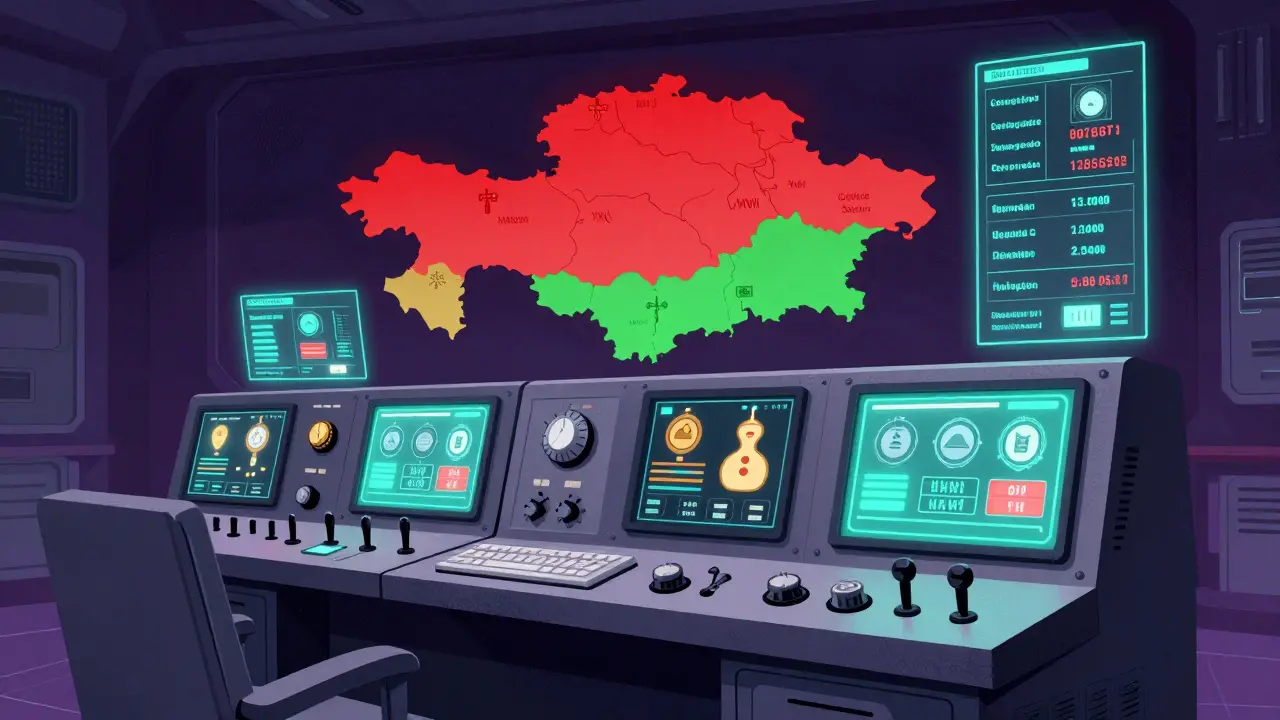
Buying power is only half the battle. The other half is dealing with the money you earn. The government wants to ensure that crypto profits stay within the formal financial system. This is where the Astana International Financial Centre (AIFC), a special economic zone in Kazakhstan that serves as a hub for international finance and crypto regulation, comes into play.
In 2024, miners were required to sell 50% of their mined assets on AIFC platforms. By 2025, that requirement jumped to 75%. This is a massive shift. It forces miners to convert the majority of their earnings into fiat currency or stablecoins through regulated channels, making every transaction visible to tax authorities.
Alongside this, there is a 15% tax rate on mining profits. Compliance costs have risen sharply. Estimates suggest that legal and accounting fees now represent 10-15% of operational expenses for medium-sized mines. For smaller operators, this squeeze is deadly. Many have shut down because the margin left after paying for power, taxes, and compliance is too thin to survive.
| Metric | Value / Requirement | Impact |
|---|---|---|
| Max Power Purchase | 1 MWh per transaction | Prevents bulk hoarding; increases admin workload |
| AIFC Sale Requirement | 75% of assets | Forces transparency; reduces offshore profit hiding |
| Tax Rate | 15% | Standard corporate-style taxation on mining income |
| Licenses Issued | 84 total | High barrier to entry; favors large incumbents |
| Compliance Cost | 10-15% of OpEx | Squeezes margins for small and medium operators |
The Dark Side: Illegal Mining and Grid Theft
Despite the strict rules, illegal mining remains a huge problem. Why? Because the black market price for electricity is often lower than the regulated cost, especially when corruption is involved. The most shocking example came in October 2025.
Authorities busted a massive illegal mining scheme in East Kazakhstan Oblast. The operation consumed over 50 megawatt-hours of stolen electricity over two years. That is enough power to support a city of 50,000 to 70,000 people. The value of the stolen power was approximately $16.5 million.
This wasn’t some rogue hacker in a basement. Investigators found that corrupt employees at utility companies were selling power meant for hospitals, schools, and strategic industries to unauthorized mining farms. The proceeds funded luxury apartments and vehicles, all of which were seized by courts. This case highlights a critical vulnerability: the rationing system only works if the insiders enforcing it are honest.
When utility workers can divert power for cash, the grid suffers. Regular citizens experience outages while miners reap the rewards. This dynamic fuels public anger and puts pressure on the government to tighten enforcement even further.
Future Outlook: The 70/30 Proposal
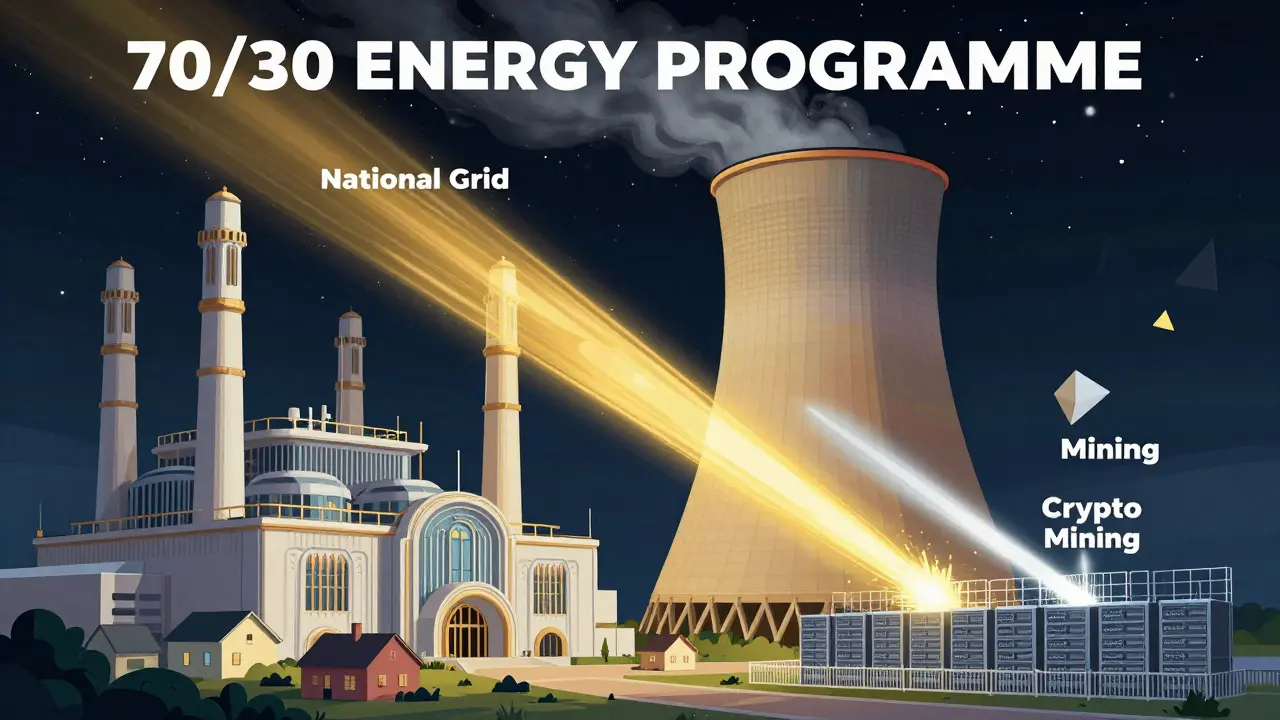
So, where does this leave us in 2026? The government is aware that the current tension between domestic needs and mining demand is unsustainable. Enter the proposed 70/30 Energy Programme, a proposal where foreign investors fund thermal power upgrades, allocating 70% of capacity to the national grid and 30% to crypto mining.
This model aims to decouple mining growth from existing grid strain. By inviting foreign investment to build new thermal power plants, the government hopes to create dedicated infrastructure for miners. Under this plan, 70% of the new capacity would go to the national grid, ensuring stability for residents, while 30% would be reserved for licensed crypto operations.
If implemented, this could be a game-changer. It would reduce the risk of blackouts for civilians and provide a predictable power supply for miners. However, it also raises the stakes. Building new power plants takes time and capital. Until then, the current rationing system remains the law of the land, and enforcement against illegal operators will likely intensify.
Practical Steps for Legitimate Operators
If you are serious about mining in Kazakhstan, here is what you need to do to stay on the right side of the law:
- Secure a License: Apply for one of the available licenses through the Ministry of Energy. Be prepared for a lengthy review process.
- Register Your Hardware: Ensure every ASIC miner or GPU rig is logged in the state database. Unregistered equipment is subject to confiscation.
- Join an Accredited Pool: Do not try to operate independently. Connect with one of the five state-approved pools to streamline reporting.
- Budget for Compliance: Set aside 10-15% of your budget for legal, accounting, and administrative fees. This is non-negotiable.
- Plan for AIFC Sales: Structure your financial strategy around the 75% sale mandate. Keep detailed records of all transactions on AIFC platforms.
Ignoring these steps might seem tempting if you hear stories of others cutting corners, but the risks are too high. The October 2025 bust showed that the National Security Committee (KNB) and Financial Monitoring Agency (AFM) are actively hunting down large-scale violations. Getting caught doesn’t just mean fines; it means asset seizure and potential criminal charges.
Can I buy electricity directly from a local utility company for mining?
No. All electricity for crypto mining must be purchased through the Ministry of Energy's state-operated marketplace. Direct purchases from local utilities for mining purposes are illegal and violate the rationing framework.
What happens if I exceed the 1 MWh transaction limit?
Transactions exceeding 1 MWh are rejected by the state platform. To purchase more power, you must submit multiple separate transactions, each capped at 1 MWh. Attempting to bypass this through shell companies can lead to license revocation.
Is the 70/30 energy programme already in effect?
As of early 2026, the 70/30 programme is a proposal being discussed by energy officials. It has not yet been fully implemented nationwide. Current operations must still adhere to the existing rationing and licensing rules.
Why did the government increase the AIFC sale requirement to 75%?
The increase aims to bring more crypto profits into the regulated financial system, improving tax collection and reducing money laundering risks. It ensures that the majority of mining revenue is transparent and traceable.
What are the penalties for illegal mining operations?
Penalties include seizure of mining equipment, confiscation of assets purchased with illicit profits (such as real estate and vehicles), heavy fines, and potential criminal prosecution for fraud and electricity theft.