Blockchain Transactions: What They Are, How They Work, and Why They Matter
When you send Bitcoin or swap tokens on Uniswap, you’re not just clicking a button—you’re triggering a blockchain transaction, a verified, immutable record added to a public, decentralized ledger that no single entity controls. Also known as on-chain transfers, these are the core mechanism that makes crypto trustless and resistant to censorship. Unlike bank transfers that go through intermediaries, every blockchain transaction is broadcast to thousands of nodes, validated by consensus, and locked into a block that can never be altered. This isn’t just tech jargon—it’s what keeps your funds safe from hackers, banks, or governments trying to freeze your money.
Behind every transaction is a chain of smart contracts, self-executing code on blockchains like Ethereum or Sui that automatically enforce rules without human intervention. These are what power DeFi swaps, airdrops like the BUTTER token distribution on HECO Chain, or liquidation engines that close leveraged positions when collateral drops too low. They’re also why your bank might freeze your account in 2025—if a transaction traces back to a flagged address, regulators don’t care if you knew it was risky. The system sees the link, and that’s enough.
Then there’s the decentralized ledger, the shared, tamper-proof database where every transaction is permanently stored across the network. This isn’t just a fancy spreadsheet—it’s what lets Iranians move $4.18 billion out of their collapsing economy, or why Myanmar citizens face jail time for trading USDT. The ledger doesn’t care about borders or laws. It only cares about cryptographic signatures and proof of work or stake. That’s why exchanges like Vauld failed: they pretended to hold your crypto while actually using it as collateral. The blockchain didn’t lie. Their balance sheet did.
And it’s not just about money. Blockchain transactions enable digital identity, creator royalties, and even football NFTs like TOPGOAL’s European Cup campaign. They’re the invisible engine behind every airdrop, every token swap, every failed meme coin like Poupe or Vital Network. If it happened on-chain, it left a trace. And that trace is what regulators, scammers, and savvy traders all chase.
What you’ll find below isn’t a list of random crypto stories. It’s a real-world map of how blockchain transactions shape finance, law, and survival. From why your bank freezes accounts over crypto activity to how DeepBook Protocol runs on-chain order books on Sui, these posts show you the mechanics behind the headlines. You’ll learn what triggers liquidations, how account abstraction changes wallets, and why some crypto projects vanish overnight. No fluff. No hype. Just the truth behind the transactions.
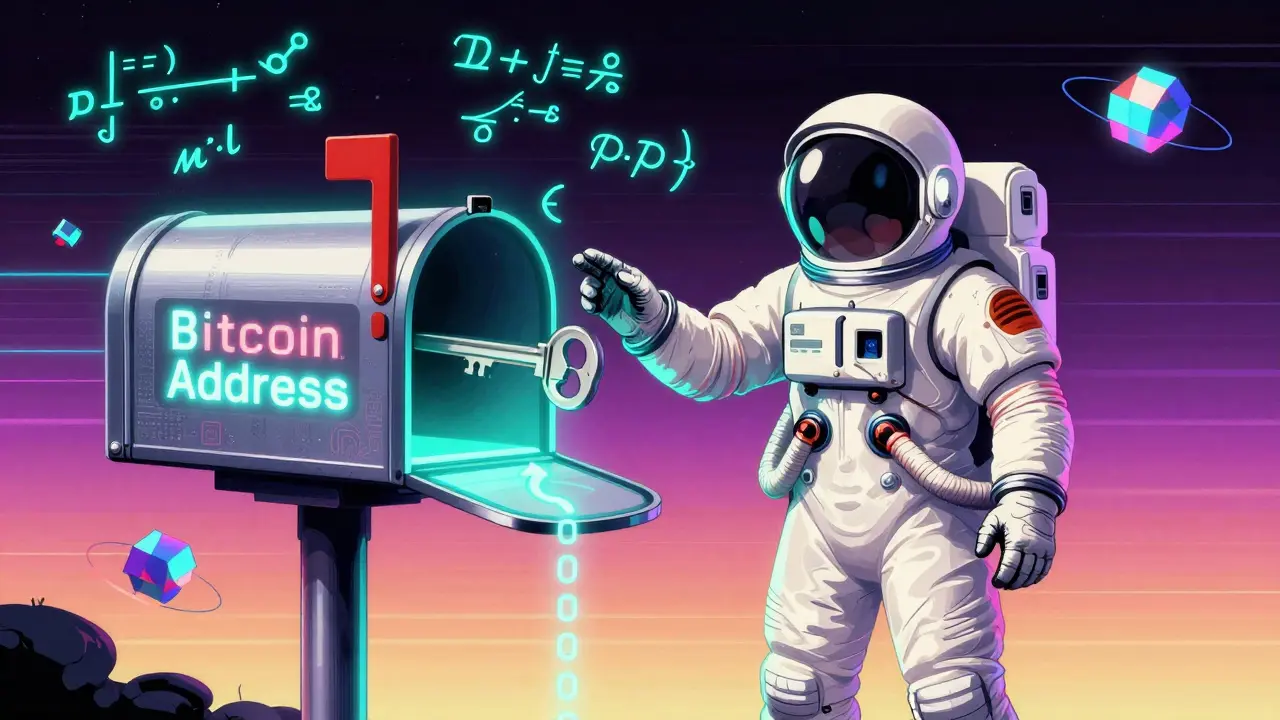
Digital signatures use math to prove you own your crypto without revealing your private key. They verify every blockchain transaction, ensuring security, integrity, and trust without central authorities.
More