Crypto Derivatives Explained: How Leverage, Futures, and Liquidations Shape Your Trading
When you trade crypto derivatives, financial contracts whose value is tied to the price of an underlying cryptocurrency like Bitcoin or Ethereum. Also known as derivatives trading, it lets you profit from price swings without ever holding the actual coin. This isn’t speculation—it’s a tool. Traders use it to hedge risk, amplify gains, or short assets they believe will crash. But it’s also where most beginners lose everything.
Behind every crypto derivative is a margin trading, the practice of borrowing funds to increase your position size. Also known as leveraged trading, it’s how you can control $10,000 worth of Bitcoin with just $1,000. That sounds powerful—until the market moves $500 against you. Then your position gets wiped out by a liquidation engine, an automated system that closes your trade when your collateral drops below a critical level. This is what happens on centralized exchanges like Binance and DeFi platforms like dYdX when leverage goes wrong. You don’t need to be a whale to get liquidated. A 10% drop on 10x leverage? Gone. That’s not a bug—it’s built into the system.
Most futures trading, a type of derivative contract that locks in a price to buy or sell crypto at a future date. It’s used by traders to hedge against volatility or bet on long-term trends without holding the asset. is done on perpetual contracts—no expiration date, just funding rates that shift between longs and shorts. These are the most popular derivatives on exchanges today. But they’re also the most dangerous if you don’t understand how funding rates work, or how order books can get manipulated before a big liquidation wave hits.
Look at the posts below. You’ll find real stories: how Vauld collapsed because it lent out user funds to fuel risky derivatives positions. How Iran’s citizens used crypto derivatives to move money out of a failing economy. How Turkey and the UAE changed their rules to attract institutional traders who rely on these tools. You’ll also see how people got burned by fake airdrops tied to derivatives platforms, or how DeFi protocols like DeepBook Protocol offer transparent, on-chain derivatives without hidden risks.
This isn’t about getting rich quick. It’s about understanding the mechanics before you risk your capital. If you’ve ever wondered why your position vanished overnight, or why some exchanges freeze withdrawals after big price moves, the answer lies in crypto derivatives. The posts ahead break down exactly how they work, who’s behind them, and how to avoid becoming another statistic.
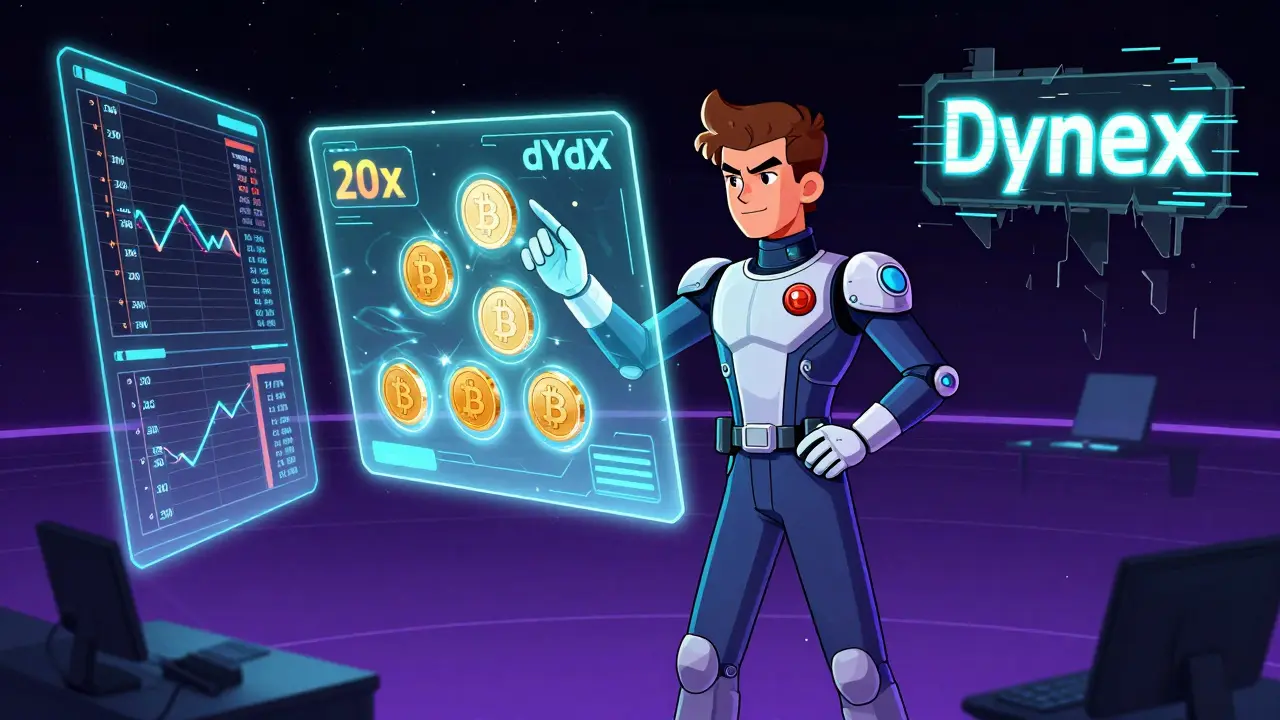
dYdX is a top decentralized exchange for crypto derivatives with leverage, no KYC, and deep liquidity. Forget DynX-it doesn't exist. This review explains how dYdX works, why traders use it, and what sets it apart from confused alternatives like Dynex.
More
Bybit is a top crypto exchange for derivatives trading in 2025, offering fast execution, low fees, and deep liquidity. Learn its strengths, security updates after the 2025 hack, and who should use it.
More