Crypto Exchange Latin America
When you're trading crypto in Crypto Exchange Latin America, platforms that serve users across Brazil, Mexico, Argentina, Colombia, and other countries with local payment methods, regulatory compliance, and language support. Also known as Latin American crypto platforms, these exchanges are the backbone of digital finance for millions who rely on them to buy Bitcoin, send USDT, or access DeFi—without needing a Western bank account. Unlike global exchanges that ignore regional needs, the best ones here support PIX, P2P cash deposits, local ID verification, and even integration with mobile wallets like Mercado Pago or Nequi.
What makes a crypto exchange work in Latin America isn’t just low fees or a slick app—it’s survival. Many platforms have vanished overnight after local regulators cracked down. In Colombia, banks froze accounts tied to crypto activity. In Argentina, capital controls pushed people toward P2P trading. Brazil’s B3 exchange now requires full tax reporting. And in Mexico, the FIU demands KYC for every transaction over $1,000. These aren’t theoretical risks—they’re daily realities. That’s why the exchanges that stick around are the ones that adapt: they partner with local payment processors, hire Spanish and Portuguese-speaking support teams, and stay ahead of tax laws before they change.
Some exchanges in this region are built for traders who want speed and anonymity—think P2P marketplaces where you trade cash for Bitcoin with a neighbor. Others are full-service platforms like Coinone, a top-tier exchange in South Korea that’s popular among Latin American users for its security and staking options, though it’s officially restricted to Korean residents, or Biconomy, a mobile-first exchange with 268 coins and copy trading that works reliably across Latin America, even on slow connections. But here’s the catch: just because an exchange is popular doesn’t mean it’s safe. BEPSwap vanished. OneRare’s airdrop promised rewards but never delivered. And countless fake platforms mimic real ones to steal private keys. The real winners? Users who know the difference between a regulated platform and a phishing site.
What you’ll find below isn’t a list of the top 10 exchanges. It’s a collection of real stories—what went wrong with platforms that claimed to serve Latin America, which ones actually kept users’ funds safe, and how people are using crypto despite banking restrictions, tax audits, and political uncertainty. Whether you’re in São Paulo, Lima, or Guatemala City, these posts show you what works, what to avoid, and how to protect yourself in a region where the rules change faster than the price of Bitcoin.
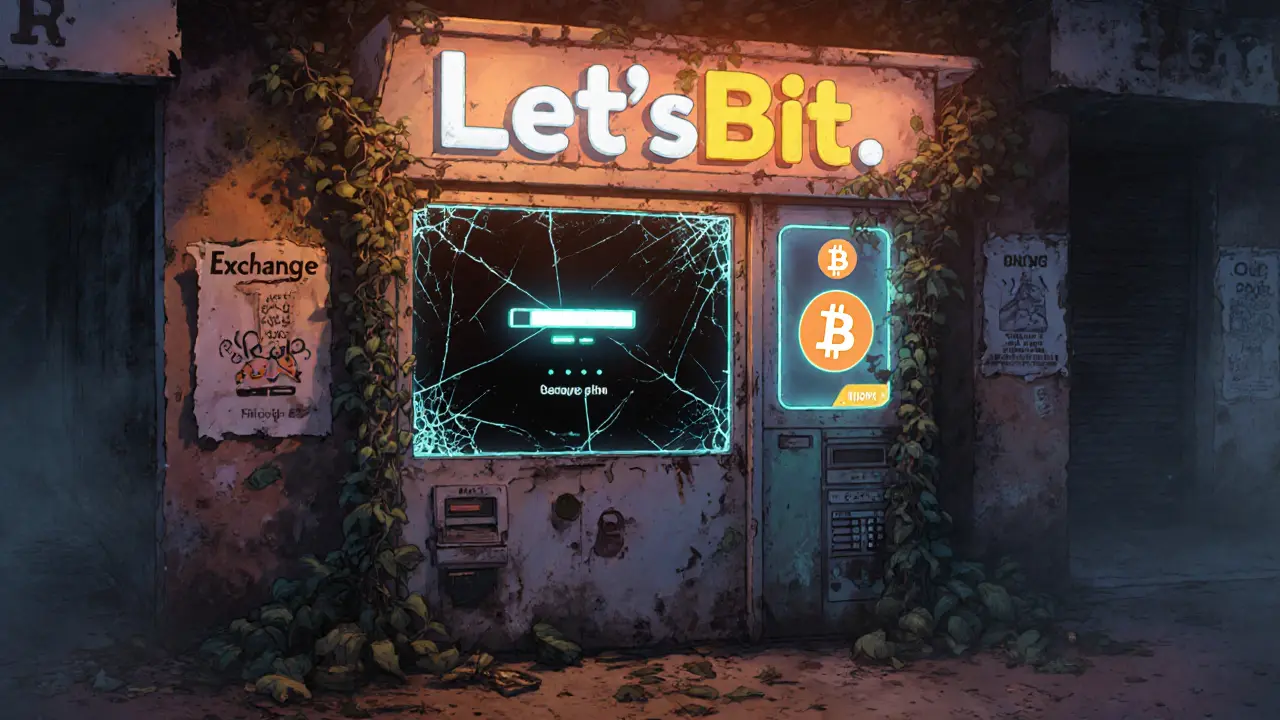
Let'sBit was once promoted as a Latin American crypto exchange, but as of 2025, it's completely inactive. No trading, no support, no app. Don't risk your funds - use proven alternatives like Ripio or Bitso instead.
More