Crypto Penalties in Myanmar: What Happens When You Break the Rules
When you trade or hold crypto in Myanmar, a country where financial regulation is inconsistent and enforcement is unpredictable. Also known as Burma, it has become one of the most dangerous places in Southeast Asia to use cryptocurrency without official permission. Unlike neighbors like Thailand or Vietnam, Myanmar doesn’t have clear crypto laws—just sudden crackdowns. If you’re caught sending Bitcoin, using a DEX, or even holding crypto in a wallet, you could face fines, asset seizures, or jail time.
The government doesn’t ban crypto outright, but it treats it like a threat to the national currency and financial control. In 2023, authorities raided homes and offices, seizing phones, laptops, and hardware wallets. People were arrested for running local crypto Telegram groups or helping others convert USDT to cash. There’s no public court record of these cases, no official guidelines, and no way to appeal. It’s enforcement by fear, not law. This isn’t about taxation—it’s about control. The same regime that restricts internet access and shuts down banks during protests doesn’t trust decentralized money. Crypto penalties, in this context, are not legal consequences—they’re political tools. If you’re a foreigner, you might think you’re safe because you’re not a citizen. You’re not. Authorities don’t care. Tourists, expats, and even aid workers have been detained for using crypto to pay for services or send money home.
What makes this worse is the lack of warning. There’s no official website listing rules. No Ministry of Finance bulletin. No public notice. One day you’re trading on Binance, the next your phone is confiscated and your wallet is wiped. Local exchanges like MyCryptoPay and BurmeseCoin have vanished overnight. Even using a VPN to access a global exchange can get you flagged. Blockchain legality, in Myanmar, isn’t a question of compliance—it’s a question of survival. People who survive these crackdowns don’t talk about it. They delete apps, erase history, and switch to cash. The few who still trade do it in person, face-to-face, in crowded markets, with no digital trace. If you’re thinking of using crypto in Myanmar, ask yourself: Is this worth risking your freedom? The posts below don’t offer tips on how to trade safely here—they show you what’s already happened to others. You’ll read about real cases, seized wallets, and the quiet exodus of traders who left the country. This isn’t theory. It’s lived experience. And if you’re reading this, you’re already one step ahead.
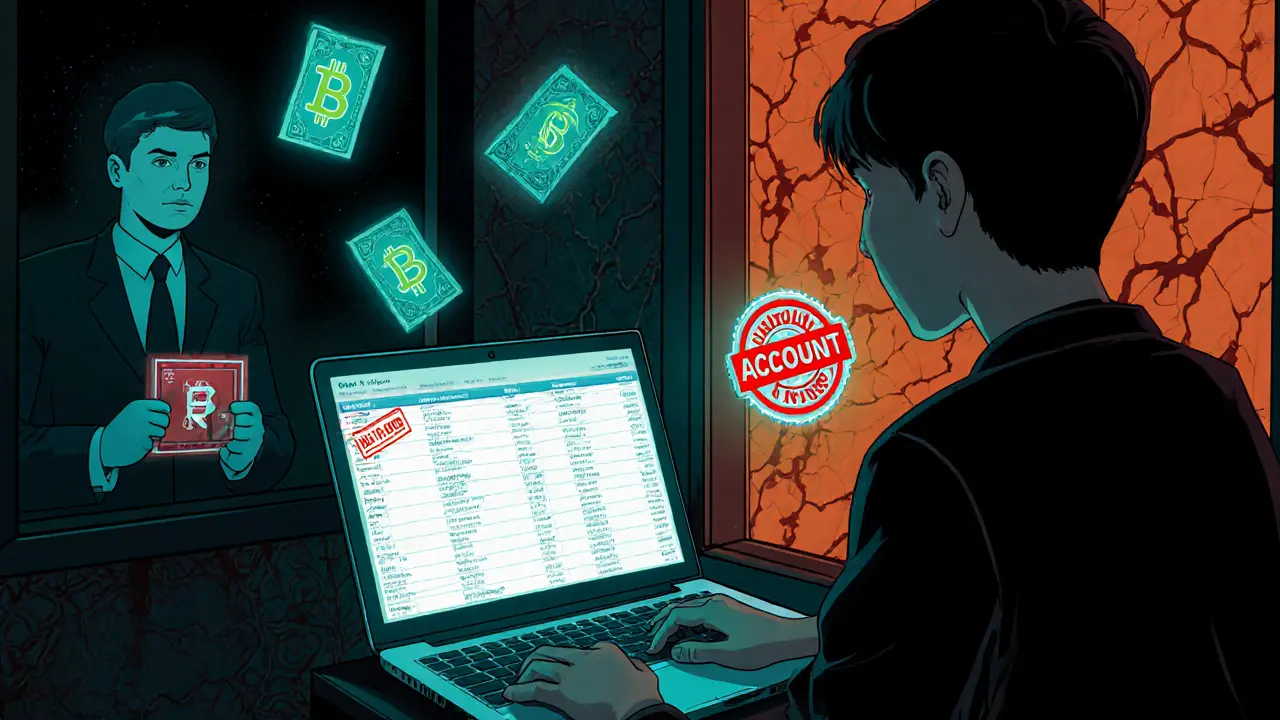
Myanmar enforces strict crypto bans with immediate bank account closures, fines, and jail time. USDT, Bitcoin, and other digital currencies are illegal, and enforcement is intensifying as the government prepares to launch its own digital currency.
More