OneRare Airdrop: What It Is, Why It Mattered, and What Happened
When you hear OneRare airdrop, a token distribution event tied to a blockchain-based NFT marketplace for collectibles. Also known as OneRare token airdrop, it was one of the more talked-about rewards programs in 2021 and 2022 for gamers and NFT collectors who wanted to get in early on a project that blended digital art with playable games. It wasn’t just free tokens—it was a promise: own rare digital items, earn rewards just by holding them, and play games where your assets actually mattered.
OneRare built its platform around NFT airdrop, a distribution method used by blockchain projects to give away tokens or digital collectibles to users who met specific criteria. Also known as NFT reward campaign, it was designed to attract users who already collected digital art, traded on OpenSea, or played blockchain gaming, a category of video games where in-game items are owned as NFTs and can be traded outside the game. Also known as Play2Earn, it promised players real value for time spent—not just virtual bragging rights. The idea was simple: if you held certain NFTs or participated in community events, you’d get OneRare tokens. But unlike many airdrops that fizzled out quietly, OneRare’s had real momentum—until it didn’t.
What made OneRare different at first was its focus on Play2Earn, a model where players earn cryptocurrency or NFTs by playing games. Also known as gamefi, it tapped into the same energy that drove Axie Infinity’s rise. But while Axie had a working game, OneRare never delivered a true playable experience. The tokens were distributed, the NFTs were minted, but the game engine? The rewards system? The community tools? All stalled. The project turned into a ghost town with a shiny logo and a wallet full of unused tokens.
Today, if you search for OneRare, you’ll find old Reddit threads, archived Twitter posts, and a few confused users wondering where their rewards went. The airdrop didn’t fail because it was a scam—it failed because it promised more than it could deliver. That’s the lesson here: airdrops aren’t free money. They’re signals. A well-run airdrop builds community, tests demand, and launches a product. A hollow one just gives away tokens and disappears.
That’s why the posts below matter. They don’t just list dead projects—they explain why they died. You’ll see how other NFT airdrops like FEAR and Unbound SuperHero promised the same thing, delivered nothing, and vanished. You’ll see how real blockchain gaming projects either survived by building actual games or got crushed under the weight of empty hype. And you’ll see how to spot the difference before you waste your time—or your wallet.
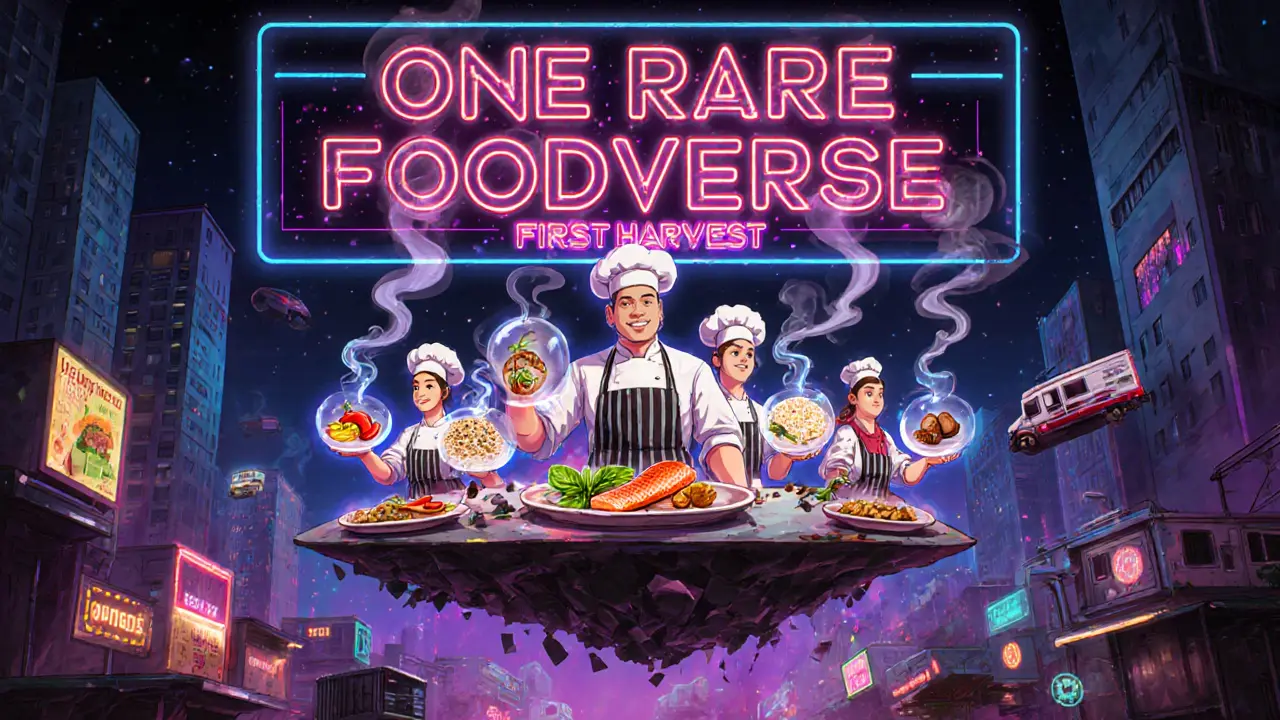
The OneRare First Harvest airdrop gave 101 winners ingredient NFTs for its food-themed Web3 game. Learn how it worked, what you received, and whether the project still has a future.
More