Smart Wallet: What It Is, How It Works, and What You Need to Know
When you hold crypto, a smart wallet, a blockchain-based digital wallet that uses smart contracts to manage assets and permissions. Also known as self-custody wallet, it lets you control your keys, sign transactions, and interact with DeFi apps without handing your money to a third party. This isn’t just a better way to store Bitcoin or Ethereum—it’s a shift in how you own digital things. A smart wallet doesn’t just hold coins; it can lock them based on time, require multiple approvals, or even pay gas fees in different tokens. It’s not magic—it’s code you can verify.
What makes a smart wallet different from a regular one? Regular wallets like MetaMask or Trust Wallet are simple keys to your funds. A smart wallet adds logic: if your phone is lost, you can recover access using a trusted friend’s signature. If you’re traveling and can’t sign a transaction, it can auto-approve small payments up to a limit. Projects like self-sovereign identity, a system where you own and control your digital credentials without relying on companies are starting to tie into smart wallets, so your wallet isn’t just a vault—it’s your digital ID. That’s why you see smart wallets popping up in NFT airdrops, DeFi protocols, and even health-based crypto apps like CUDIS, where your wallet rewards you for walking or sleeping well.
But here’s the catch: most people still use exchange wallets because they’re easy. That’s dangerous. If Binance or Coinone freezes your account, your crypto disappears until they fix it. A smart wallet means you’re not at their mercy. The posts below show real cases: OneRare’s ingredient NFTs were only claimable through a smart wallet setup, and Unbound’s rumored NFT rewards would’ve required the same. Meanwhile, scams like the fake FEAR NFT airdrop or CBSN StakeHouse骗局 target users who don’t understand how smart wallets work—they think a free NFT link is safe, but it’s just a phishing page trying to steal their private key. You can’t outsource security.
Smart wallets also connect to bigger ideas like blockchain identity, a way to prove who you are on-chain without revealing personal info. Think of it like a digital passport you carry in your wallet. When you join a DAO or claim a token, you don’t give them your name or email—you prove you’re eligible through a verifiable credential tied to your wallet. That’s why the future of crypto isn’t just about price charts—it’s about who controls your data, your money, and your rights.
What you’ll find below isn’t a list of the best wallets. It’s a collection of real stories where smart wallets made the difference—between getting airdrops or getting scammed, between holding your own assets or losing them to a shutdown exchange. Some posts warn you about dead projects that promised smart wallet features but never delivered. Others show how people actually used them to claim NFTs, earn rewards, or avoid regulatory traps. This isn’t theory. It’s what happened. And if you’re holding crypto in 2025, you need to know how it works.
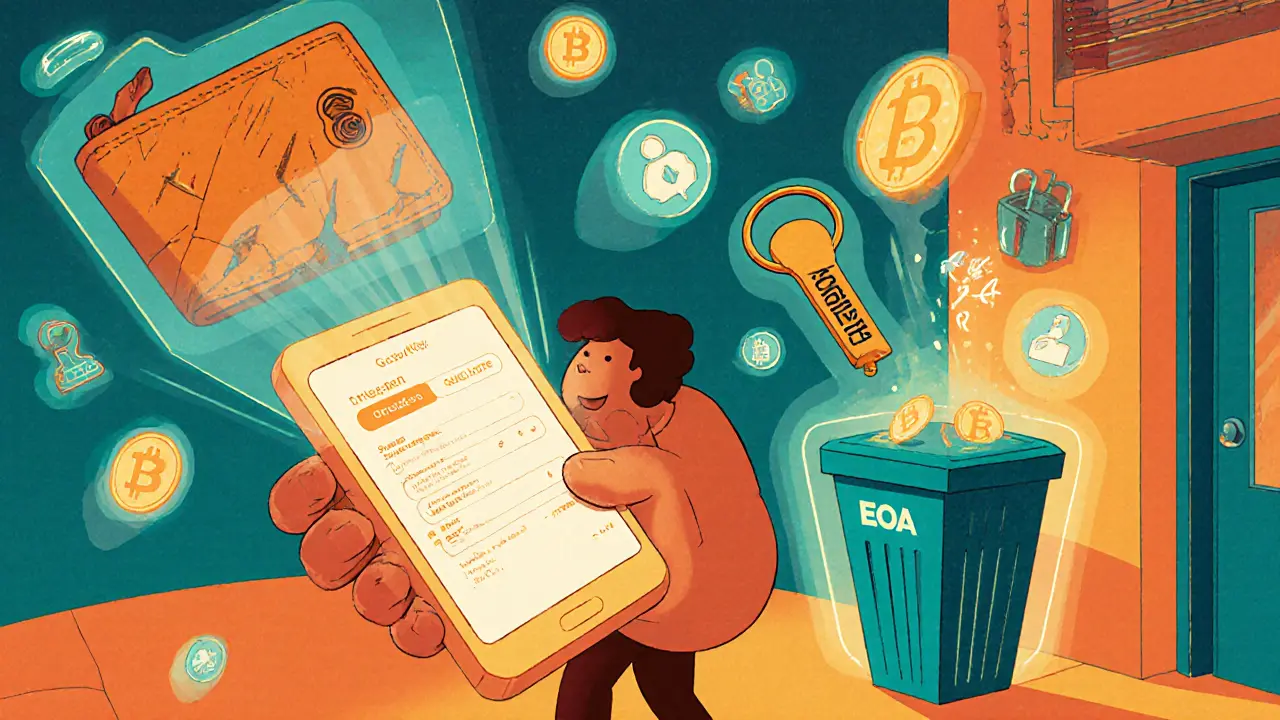
Account abstraction replaces fragile private key wallets with smart, programmable wallets that offer gasless transactions, social recovery, and multi-signature security-making blockchain accessible to everyone.
More