SSS Token: What It Is, How It Works, and Where It Shows Up
When you hear SSS token, a type of digital asset designed to grant access or rewards within a specific blockchain ecosystem. Also known as utility token, it doesn’t represent ownership like a stock—it’s more like a key that unlocks features, discounts, or services inside a platform. Unlike speculative meme coins with no real function, a true utility token like SSS is built to be used. It’s the engine behind loyalty programs, governance votes, or in-app purchases on decentralized apps. If a project says you need SSS to join a game, claim rewards, or vote on updates, that’s its job.
Utility tokens like SSS rely on clear rules: how they’re distributed, how they’re spent, and what happens if demand drops. Many fail because they’re just marketing buzzwords wrapped in blockchain tech. But the ones that stick? They solve real problems. Think of them like a subway card—you don’t buy it to make money, you buy it to ride. The same goes for SSS: if it’s tied to a working product with active users, it has purpose. If it’s floating with no use case, it’s just digital noise. You’ll see this pattern across projects in the collection below—some tokens have real mechanics behind them, others are empty shells.
What makes SSS different from other tokens? It’s not about price spikes. It’s about tokenomics, the economic design behind how a token circulates, is earned, and loses value. Also known as token distribution model, this includes things like how many tokens are released, who gets them first, and whether they can be staked or burned. Projects that get this right keep users engaged. Those that don’t? They vanish. You’ll find examples of both in the posts ahead—some tokens are part of thriving ecosystems, others are dead before they even launched. And because SSS is often linked to blockchain token, a digital asset built on a public ledger like Ethereum or Solana. Also known as ERC-20 token, it’s the backbone of most decentralized apps. you’ll see it tied to wallets, exchanges, and smart contracts. If you’re holding it, you need to know where it lives and how to use it—or risk losing access forever.
The posts here don’t just talk about SSS in theory. They show you how tokens like it actually behave in the wild: who’s distributing them, how users earn them, and why most never see real value. Some are part of airdrops that vanished. Others are locked inside games that never launched. A few still work—but only if you know the rules. This isn’t about guessing the next moonshot. It’s about understanding what makes a token useful, and what makes it worthless. Below, you’ll find real cases, real mistakes, and real lessons—no fluff, no hype, just what happens when tokens meet reality.
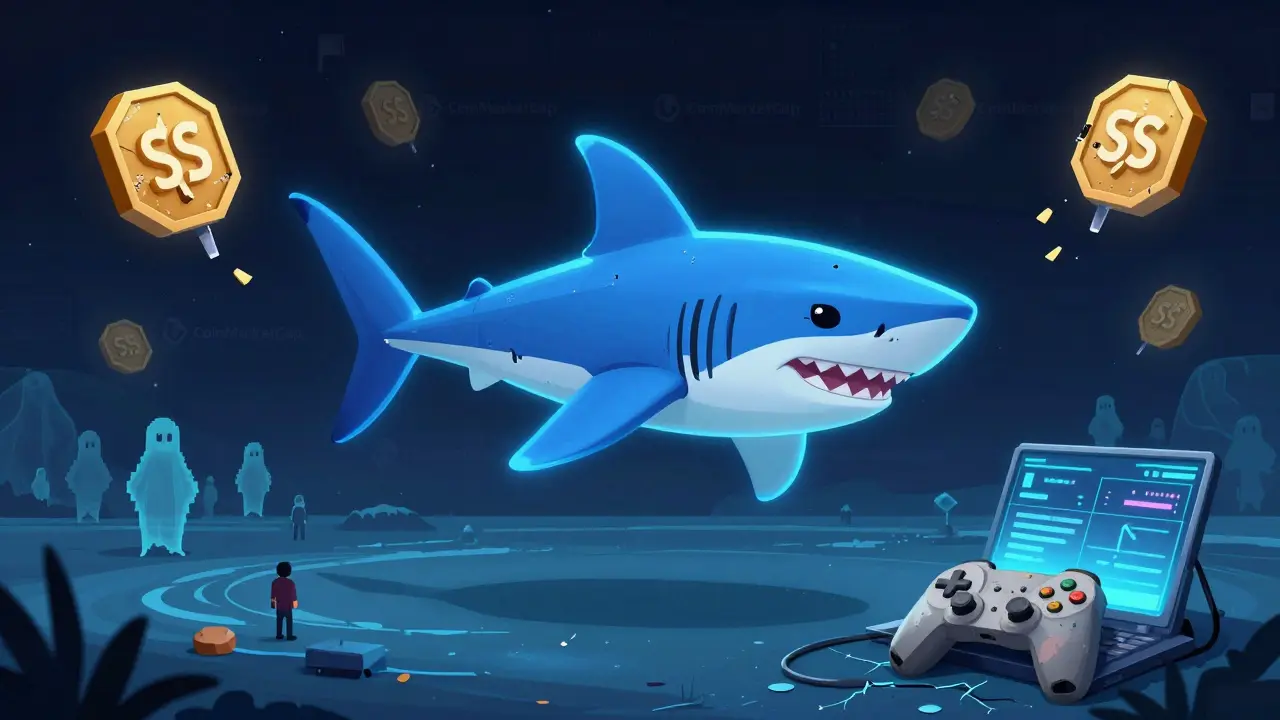
StarSharks (SSS) had no official airdrop with CoinMarketCap. The project collapsed after a 99.66% price drop, with no active development, zero liquidity, and abandoned gameplay. What's left? A dead token and fading NFTs.
More