Vauld Collapse: What Happened and Why It Still Matters for Crypto Users
When Vauld, a once-popular crypto lending platform that promised high yields on deposits crashed in 2022, it didn’t just lose money—it lost trust. Over $400 million in customer funds vanished overnight, leaving users with nothing but empty wallets and unanswered emails. This wasn’t a hack. It wasn’t a market dip. It was a failure of basic financial responsibility disguised as innovation. Vauld claimed to be a "crypto bank," but it operated like a Ponzi scheme: using new deposits to pay old investors while betting heavily on risky assets like Luna and Three Arrows Capital. When those bets turned to dust, there was no reserve, no safety net, and no transparency.
What made Vauld’s collapse so damaging was how normal it felt. People signed up because they saw high APYs, read glowing reviews, and trusted the brand’s polished website. They didn’t ask where their money was held. They didn’t check if Vauld was audited. They assumed, like with a bank, that their funds were safe. But centralized exchanges, platforms that hold your crypto for you in exchange for services like staking or lending aren’t banks. They’re private companies with no FDIC insurance, no legal obligation to safeguard your assets, and often no clear accounting. Vauld wasn’t alone. When it fell, so did Celsius, BlockFi, and others. Each one had the same story: too much leverage, too little oversight, and too much faith in the idea that crypto prices would keep rising forever.
The aftermath revealed how deeply users were exposed. Some had their funds locked in illiquid tokens tied to failed projects. Others found out their "savings" were just IOUs backed by nothing. Even worse, the legal battles dragged on for years, with users getting pennies back—if anything at all. This isn’t ancient history. It’s a warning label. Today, platforms still promise 10%, 15%, even 20% returns on crypto deposits. Many still don’t disclose how they earn those yields. And many still don’t let you withdraw your funds on demand. The crypto custodial risk, the danger of giving control of your assets to a third party hasn’t gone away. It’s just quieter now.
If you’re still using a platform that holds your crypto for you, ask yourself: Do I know where my coins are? Can I withdraw them anytime? Is this platform transparent about its reserves? If you can’t answer those questions with certainty, you’re still playing the same game that broke Vauld. The real lesson isn’t that Vauld was bad—it’s that so many people didn’t bother to ask the right questions before handing over their money. Below, you’ll find real stories, technical breakdowns, and hard truths about what happens when crypto platforms fail. Not theory. Not speculation. What actually went down—and how to make sure it doesn’t happen to you again.
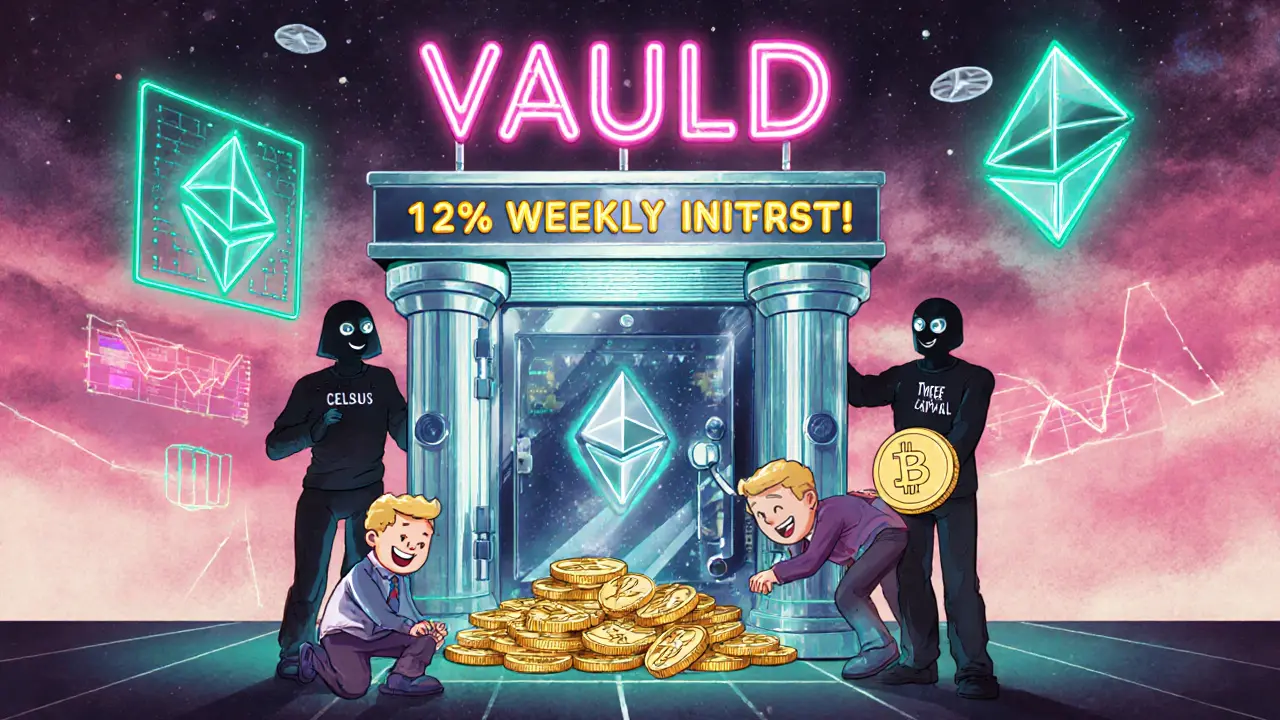
Vauld crypto exchange promised high yields and easy trading but collapsed in 2022, leaving users with frozen funds. Learn why it failed, what happened to your money, and how to avoid similar platforms.
More