Velas (VLX) Grand Airdrop: Is It Real or a Scam?
 Apr, 6 2026
To understand why this is happening, we first need to look at what we're dealing with. Velas is a high-performance blockchain layer-1 network that focuses on scalability and developer-friendly tools. The native token used to secure the network and pay for transactions is VLX. Because Velas has a growing ecosystem and a dedicated community, scammers often use the project's name to create fake reward programs that trick people into trusting them.
How Crypto Airdrop Scams Actually Work
Scammers don't just guess; they use a psychological playbook to get you to hand over your assets. A typical "Grand Airdrop" scam follows a specific pattern. First, they create a professional-looking website that mimics the official Velas branding. They use the same colors, logos, and terminology to make you feel like you're in the right place. Then, they create a sense of urgency, claiming the airdrop is limited to the first 1,000 users or expires in a few hours.
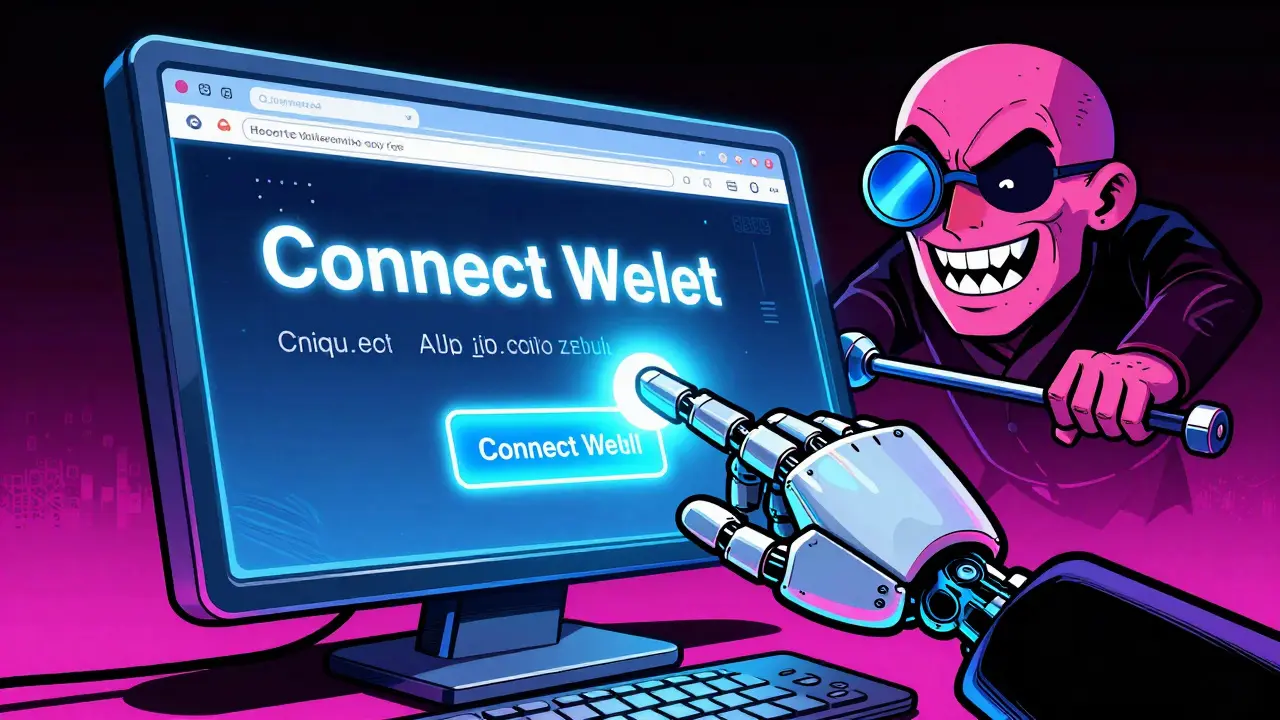
The trap is usually sprung during the "claim" process. They'll ask you to connect your wallet-whether it's MetaMask, a popular etherum-based wallet used for interacting with decentralized apps ] or a hardware wallet. Once you click "Connect" and sign a transaction, you aren't claiming tokens. You are actually signing a Smart Contract, a self-executing contract with the terms of the agreement directly written into code ] that gives the scammer permission to move all the assets out of your wallet. By the time you realize the tokens aren't arriving, your VLX and other coins are already gone.
Spotting the Red Flags of Fake Airdrops
If you're unsure if a promotion is legitimate, look for these specific warning signs. Legitimate projects rarely, if ever, ask for your seed phrase or private keys. If a site asks for these, it's a scam 100% of the time. Another red flag is the URL. Scammers often use slight misspellings, like "velas-grand-claim.net" instead of the official domain. If the site looks official but the address is weird, close the tab immediately.
You should also check the official social media channels. A real airdrop is always announced on the project's verified X (Twitter) account or official Discord. If you see a "Grand Airdrop" being promoted by random bots in your DMs or on a sketchy Telegram group, but there's zero mention of it on the official Velas blog, it's a fraud. Remember, airdrops are marketing tools; no company would launch a massive distribution without shouting it from the rooftops of their own official channels.
| Feature | Official Airdrop | Scam / Phishing |
|---|---|---|
| Source | Verified Official Website/Socials | Random DMs, Ads, or Fake Sites |
| Requirements | Holding tokens or community activity | Payment to "unlock" or Seed Phrase |
| Urgency | Clear deadlines, reasonable windows | Extreme urgency ("Only 10 minutes left!") |
| Interaction | Standard wallet connection/staking | Signing suspicious "Approval" contracts |
Protecting Your Assets on the Velas Network
To keep your funds safe, the best approach is to use a "burner wallet." This is a separate wallet instance with very few funds that you use specifically for interacting with new dApps or claiming potential rewards. If a site turns out to be a scam, they can only steal what's in that specific wallet, leaving your main stash untouched. For your primary holdings, always use Hardware Wallets, physical devices that store cryptocurrency keys offline to prevent hacking ] like Ledger or Trezor. These devices require a physical button press to authorize any outgoing transaction, making it much harder for a website to drain your funds automatically.
Additionally, be cautious about the permissions you grant to smart contracts. When you see a prompt in your wallet asking for "Unlimited Approval" of a certain token, be very skeptical. This is exactly how many airdrop scams operate. They don't steal your keys; they just get you to sign a permission slip that allows them to withdraw your tokens whenever they want. Always check the contract address on a block explorer to see if it has been flagged as a scam by other users.
The Bigger Picture: Why "Grand" Airdrops Are a Trend
The term "Grand Airdrop" is a common trope used by scammers across various chains, not just Velas. They use the word "Grand" or "Mega" to make the offer feel more significant and exciting. By targeting specific communities-like those invested in Layer-1 Blockchains, the foundational blockchain architecture that supports other networks and apps ]-they can find users who are eager for growth in their portfolio. These attackers often monitor social media for keywords and target people who are talking about the project, making the scam feel timely and relevant.
Education is your strongest defense. The more you understand how the Blockchain, a distributed ledger that records all transactions across a network of computers ] actually works, the easier it is to spot the gaps in a scammer's logic. For instance, if a project is distributing tokens, they typically do it via a snapshot of balances. They don't need you to "activate" your account by sending a small amount of crypto first. Any request for money to receive "free" money is a guaranteed scam.
Is there a real Velas (VLX) Grand Airdrop happening right now?
No. There is no official "Grand Airdrop" announced by the Velas development team. Any website or person claiming to offer such a reward is likely trying to steal your funds through phishing or malicious smart contracts.
What should I do if I already connected my wallet to a suspicious site?
Immediately move your remaining funds to a brand new wallet with a different seed phrase. You should also use a tool like Revoke.cash to cancel any token approvals you may have granted to the malicious contract. Once your keys are compromised, that wallet can never be trusted again.
How can I find actual official Velas announcements?
Always go directly to the official Velas website or their verified social media handles on X (Twitter) and Discord. If an announcement isn't mirrored across these official channels, treat it as a scam.
Why do scammers use airdrops to trick people?
Airdrops play on the "FOMO" (Fear Of Missing Out) and the desire for free profit. By promising a high-value reward, scammers cloud a user's judgment, making them more likely to ignore red flags like typos in the URL or requests for private keys.
Can a real airdrop ever ask for a small "activation fee"?
Almost never. Legitimate airdrops are sent to your wallet based on your eligibility. If you are asked to pay a fee to receive your "free" tokens, it is a common scam known as an "advance-fee fraud." Never send crypto to receive crypto.
Next Steps for Safety
If you're new to the Velas ecosystem, take a moment to set up a secure environment. Start by auditing your wallet permissions. If you've been browsing a lot of airdrop sites, you might have several open approvals that you forgot about. Using a blockchain explorer to check your address for unusual activity is a good habit to form.
For those who want to participate in the growth of the network, look into official staking or governance opportunities. These are the legitimate ways to earn rewards within the Velas system. By focusing on the actual utility of the network rather than the promise of a "Grand Airdrop," you protect your capital and contribute to a healthier, more secure blockchain community.