AltCoinTrader Review: Is South Africa's Largest Crypto Exchange Worth It?
 Nov, 3 2026
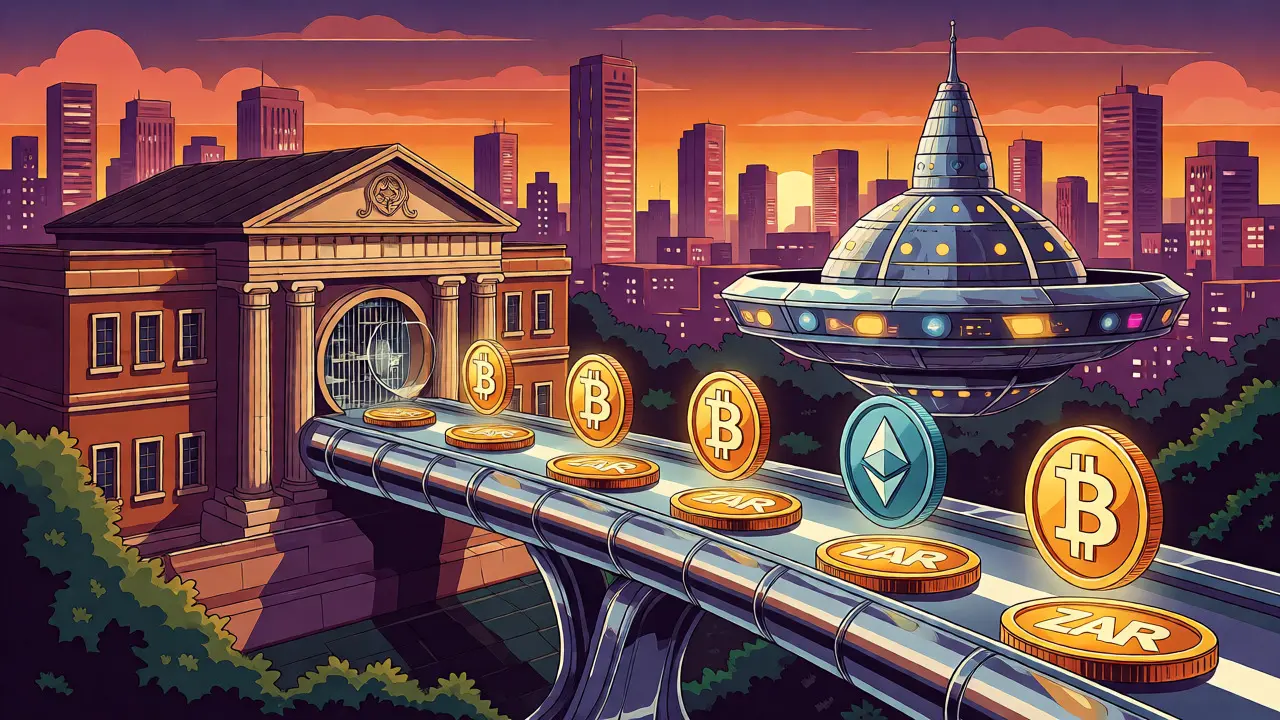
Ever tried buying Bitcoin with your local currency only to get hit by double conversion fees and a three-day wait for withdrawals? If you're in South Africa, AltCoinTrader is likely the name that pops up first. It markets itself as the country's largest crypto platform, promising direct ZAR integration without the hassle of international banking hurdles. But does it actually deliver on that promise, or are you paying a premium for convenience?
This review cuts through the marketing noise. We'll look at what works, where it falls short compared to global giants, and who should actually use this platform in late 2026. Spoiler alert: it’s not for everyone, but for specific users, it solves a real problem.
Key Takeaways
- Local Advantage: Direct ZAR deposits and withdrawals eliminate foreign exchange headaches for South Africans.
- Speed Upgrade: As of late 2025, instant 24/7 withdrawals are live, fixing previous liquidity complaints.
- Limited Selection: You won't find thousands of altcoins here; focus is on major assets like BTC, ETH, and XMR.
- Fee Ambiguity: Costs can be higher than global competitors due to lack of transparent volume tiers.
- Niche Fit: Best for beginners or those avoiding complex KYC on international platforms.
What Exactly Is AltCoinTrader?
At its core, AltCoinTrader is a cryptocurrency exchange based in South Africa, operating under the domain altcointrader.co.za. Unlike Binance or Coinbase, which serve a global audience, this platform is hyper-localized. Its primary job is to bridge the gap between the South African Rand (ZAR) and digital assets. This means you don’t need to convert Rands to USD first, then buy crypto, then convert back when cashing out. The entire lifecycle happens in ZAR.
The platform launched to address a specific pain point: regulatory friction. International exchanges often struggle with local banking partners in South Africa, leading to rejected transfers or frozen accounts. By securing local banking relationships, AltCoinTrader allows users to deposit via EFT (Electronic Funds Transfer) directly from their local bank accounts. This localization is its strongest selling point. It’s not trying to be the biggest exchange in the world; it’s trying to be the easiest one for someone living in Johannesburg or Cape Town.
Fees and Cost Structure: The Hidden Truth
Here is where things get tricky. Reviews often contradict each other. Some sources claim "low fees," while others warn of "relatively high costs." Why the discrepancy? Because fee structures aren't always flat rates. They depend on how you trade and how much you move.
Unlike global exchanges that publish clear maker/taker fee tables (like Binance’s 0.1%), AltCoinTrader’s pricing can feel opaque. For casual buyers, the spread-the difference between the buy and sell price-might include the fee. For active traders, this can eat into profits quickly. If you’re moving small amounts occasionally, the convenience might outweigh the cost. But if you’re trading large volumes daily, you might find better rates on international platforms that offer volume discounts.
| Feature | AltCoinTrader | Global Competitors (e.g., Binance/MEXC) |
|---|---|---|
| Base Currency | ZAR (Direct) | USD/EUR (Requires FX) |
| Deposit Method | EFT / Local Bank | Credit Card / Wire / P2P |
| Withdrawal Speed | Instant (24/7 since Sept 2025) | Varies (Bank delays common) |
| Asset Variety | Limited (Major coins) | Extensive (1000+ coins) |
| Fee Transparency | Moderate (Spread-based) | High (Published %) |
Pro tip: Always calculate the total cost including the spread before executing a trade. Don’t just look at the advertised "fee" percentage. In volatile markets, a wide spread can cost more than a standard 0.1% trading fee.
Supported Assets: Quality Over Quantity
If you’re hunting for the next obscure meme coin or a niche DeFi token, you’ll be disappointed. AltCoinTrader doesn’t list 4,000 cryptocurrencies like MEXC. Instead, it focuses on established, high-demand assets. You’ll find Bitcoin, Ethereum, and Monero. Recently, they added support for TON (Toncoin), signaling a willingness to expand, but slowly.
This curated approach has pros and cons. On one hand, you avoid the risk of listing scam tokens or illiquid projects that vanish overnight. On the other hand, you miss out on early opportunities in emerging sectors. For long-term holders who believe in the big names, this simplicity is actually a feature, not a bug. It reduces decision fatigue and keeps the interface clean.
Security and Trustworthiness
Trust is hard to earn in crypto. AltCoinTrader claims to be "one of the most trusted exchanges based in South Africa." This reputation stems from its operational history and compliance with local financial regulations. While it doesn’t publicly detail every security audit like some larger firms, its longevity suggests robust backend systems.
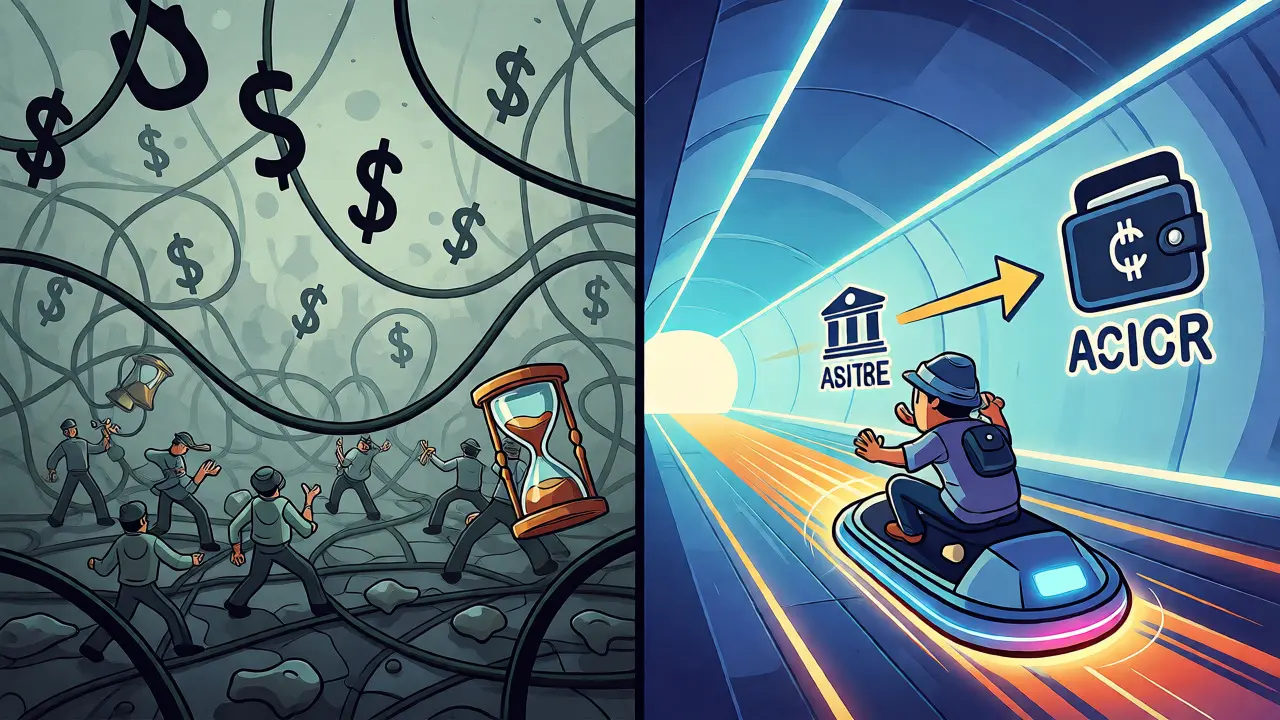
A major upgrade landed in September 2025: the activation of live deposit and withdrawal functionality with instant capabilities. Before this, users complained about waiting days for funds to arrive. Now, withdrawals are processed 24/7. This change alone significantly boosts user confidence. If you’ve ever panicked during a market crash because your funds were stuck in a pending transaction, you know why this matters.
However, remember the golden rule of crypto: not your keys, not your coins. Even on a trusted local exchange, keeping large sums online carries risk. Use AltCoinTrader for buying and selling, then move significant holdings to a hardware wallet like Ledger or Trezor.

User Experience and Interface
The platform prioritizes accessibility. The interface isn’t cluttered with advanced charting tools or order book depth visualizations that scare off beginners. It’s designed for people who want to click "Buy Bitcoin," enter an amount in Rands, and confirm the transaction.
Mobile responsiveness is decent, though there isn’t a heavily promoted standalone app compared to rivals. Most interactions happen via the web browser. For power users, this might feel limiting. There’s no API access mentioned for automated trading bots, which puts a cap on professional utility. But for the average person checking prices on their phone during lunch, it works fine.
Who Should Use AltCoinTrader?
Let’s break down the ideal user profiles:
- The Local Beginner: You live in SA, have a local bank account, and want to start investing without dealing with USD conversions or PayPal restrictions.
- The Privacy Advocate: You prefer Monero (XMR) and want a platform that supports privacy coins without aggressive KYC hurdles typical of US-centric exchanges.
- The Quick Trader: You need instant withdrawals to capitalize on market movements without waiting for bank clearing times.
Conversely, skip AltCoinTrader if:
- You trade low-cap altcoins extensively.
- You require advanced technical analysis tools or margin trading.
- You are outside South Africa (the ZAR focus limits utility).
Final Verdict: Convenience vs. Cost
AltCoinTrader isn’t trying to beat Binance on features. It’s winning on friction reduction. For South Africans, the ability to deposit Rands directly and withdraw instantly is worth a slight premium in fees. The recent infrastructure upgrades show the team is listening to users. If you value time and simplicity over having every single coin listed, this platform earns its spot in your portfolio.
Is AltCoinTrader safe to use?
Yes, it is considered one of the most trusted exchanges in South Africa. It operates within local regulatory frameworks and recently upgraded its security infrastructure to support 24/7 instant withdrawals, reducing downtime risks.
Can I withdraw money to my South African bank account?
Absolutely. That is its main feature. You can withdraw your profits directly to your linked local bank account in ZAR. Since late 2025, these withdrawals are processed instantly, regardless of the time of day.
Does AltCoinTrader have low fees?
This is subjective. Compared to doing two currency conversions on an international exchange, yes, it can be cheaper. However, compared to high-volume trading on global platforms with 0.1% fees, AltCoinTrader may appear more expensive due to spreads and lack of volume discounts.
How many cryptocurrencies does AltCoinTrader support?
It supports a limited selection focused on major assets like Bitcoin, Ethereum, and Monero. It does not offer the thousands of altcoins found on global exchanges like MEXC or Bitget, focusing instead on liquidity and stability.
Do I need to verify my identity (KYC)?
Yes, as a regulated entity in South Africa, AltCoinTrader requires KYC verification. You will need to provide identification documents to comply with local anti-money laundering laws before you can trade freely.