Blockchain IP Marketplaces: How Creators Sell and Protect Digital Rights in 2026
 Aug, 10 2026
Imagine spending months designing a unique software algorithm or composing an original symphony, only to have it copied by a competitor before you can even register it with the government. For decades, this has been the nightmare scenario for creators worldwide. Traditional intellectual property (IP) systems are slow, expensive, and often fail to keep up with the speed of digital creation. But what if you could prove ownership instantly, automate royalty payments without a middleman, and sell your rights directly to buyers across the globe? That is exactly what Blockchain IP Marketplaces promise to deliver.
In 2026, these platforms are no longer just theoretical concepts. They are active ecosystems where artists, inventors, and developers trade intellectual assets using distributed ledger technology. By combining immutable records with automated smart contracts, blockchain IP marketplaces are rewriting the rules of how we create, protect, and monetize ideas. This guide breaks down how they work, which platforms are leading the charge, and whether they are ready for your next big project.
What Are Blockchain IP Marketplaces?
Blockchain IP Marketplaces are decentralized online platforms that allow creators to register, verify, and trade intellectual property assets using blockchain technology. Unlike traditional patent offices or copyright registries, which rely on centralized bureaucracies, these marketplaces operate on peer-to-peer networks. When you upload a piece of work-be it a song, a design blueprint, or a code snippet-the system generates a unique digital fingerprint and an incorruptible timestamp. This creates definitive proof of existence at a specific moment in time.
The core value here is trust without intermediaries. In a traditional setting, you might hire a lawyer to draft licensing agreements and wait months for approval. On a blockchain marketplace, those processes are handled by code. The platform acts as a neutral ground where the history of an asset-who created it, who owns it now, and how much it was sold for-is recorded permanently and transparently. This transparency reduces disputes because everyone involved sees the same data.
How Smart Contracts Automate IP Management
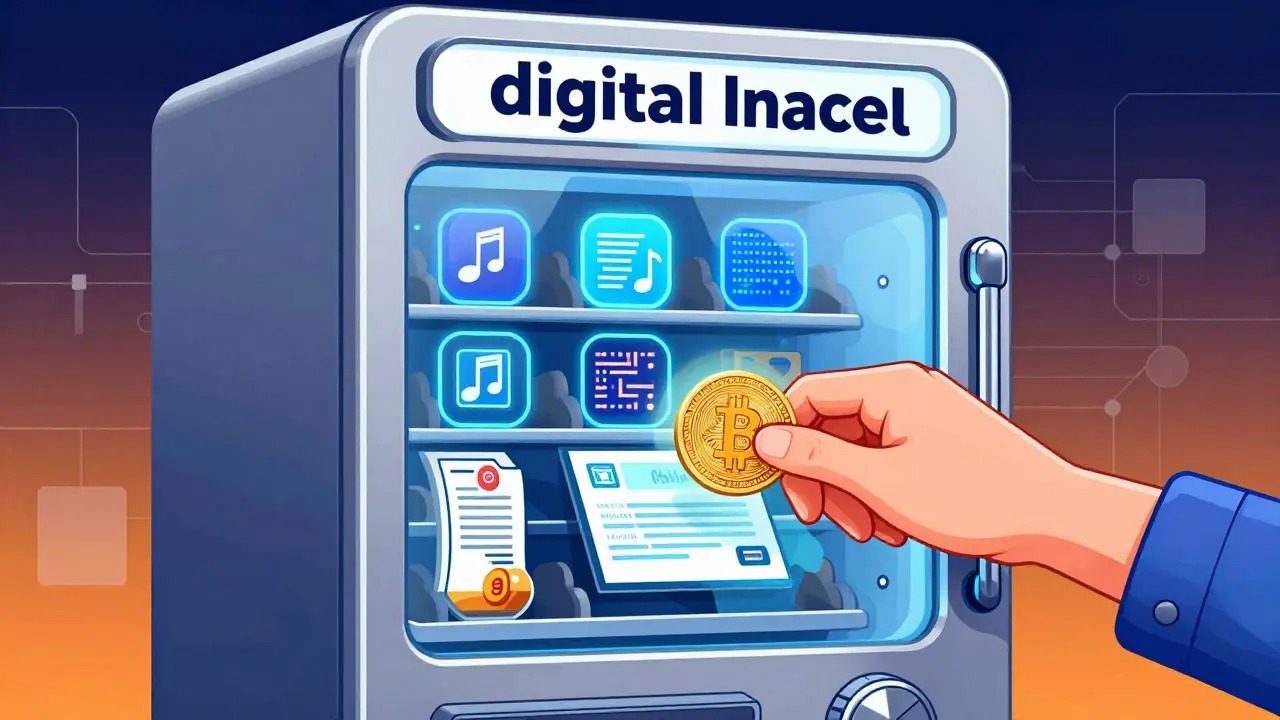
The real magic behind these marketplaces lies in Smart Contracts, which are self-executing contracts with the terms of the agreement directly written into code. Think of them as digital vending machines: you put in the right conditions (payment), and you get the product (license access) automatically, with no human intervention needed.
For intellectual property, this automation solves several critical pain points:
- Automated Royalties: Instead of chasing down companies for unpaid usage fees, smart contracts can be programmed to split payments instantly. If a company licenses your music for a commercial, the contract releases your share of the revenue immediately upon transaction confirmation.
- Licensing Compliance: Contracts can enforce limits automatically. For example, if you license a logo for use in one country only, the smart contract can restrict access or trigger alerts if the asset is used outside that scope.
- Renewal Processes: Licenses often expire. Smart contracts can notify parties ahead of time and automatically renew terms if both sides agree, eliminating administrative delays.
This level of efficiency is particularly valuable for small creators who lack the resources to manage complex legal negotiations. It levels the playing field, allowing independent artists to compete with larger studios that have dedicated legal teams.
Key Players in the Blockchain IP Space
The landscape of blockchain IP management is diverse, with different platforms focusing on various aspects of intellectual property. Here are some of the most notable implementations currently shaping the industry:
| Platform | Primary Focus | Key Technology | Best For |
|---|---|---|---|
| DEIP Ledger | Creative Arts & Media | ERC-721 Tokens | Musicians, Writers, Visual Artists |
| IPwe | Patents & Industrial IP | Ethereum-based Registry | Startups, Tech Companies |
| GoChain | Supply Chain & Provenance | Enterprise Blockchain | Manufacturers, Luxury Brands |
| IPChain | General IP Registration | Immutable Timestamping | Freelancers, Consultants |
DEIP Ledger stands out for its focus on creative communities, allowing artists to tokenize their works and engage directly with fans. Meanwhile, IPwe targets the more technical side, helping startups secure patent rights and manage industrial designs. These platforms demonstrate that blockchain IP solutions are not one-size-fits-all; they cater to specific needs within the broader intellectual property ecosystem.
Open vs. Closed Marketplaces: Which Fits Your Needs?
Not all blockchain IP marketplaces operate the same way. Understanding the difference between open and closed models is crucial for choosing the right platform.
Open Marketplaces allow anyone to list and buy various types of intellectual property. They resemble general e-commerce sites but for digital rights. This model offers maximum exposure and accessibility, making it ideal for individual creators looking to reach a global audience. However, the lack of curation can sometimes lead to quality control issues or scams.
Closed Marketplaces, on the other hand, specialize in specific IP types or require membership verification. For instance, a platform might only accept registered patents from verified tech companies. This approach ensures higher trust and professionalism, which is essential for high-value transactions like corporate licensing deals. While access is more restricted, the potential for serious business opportunities is significantly higher.
Additionally, consider whether you are entering a primary marketplace (selling new, never-before-traded IP) or a secondary marketplace (reselling previously owned rights). Secondary markets are growing rapidly, especially with the rise of non-fungible tokens (NFTs), allowing creators to earn royalties every time their work changes hands.
Benefits Over Traditional IP Systems
Traditional intellectual property management is fraught with inefficiencies. Filing a patent can take years and cost thousands of dollars. Tracking infringement is nearly impossible in the vast expanse of the internet. Blockchain IP marketplaces address these challenges head-on:
- Instant Verification: With immutable timestamps, you can prove you created a work at a specific date and time. This evidence is admissible in many legal contexts and serves as a strong deterrent against theft.
- Reduced Dispute Resolution Time: Transparent ownership trails make it easier to resolve conflicts. If two parties claim ownership, the blockchain record provides clear, unalterable proof of who registered first.
- Global Reach: Geographic borders no longer limit your market. A designer in Wellington can license their work to a manufacturer in Tokyo seamlessly, with payments handled in cryptocurrency or stablecoins.
- Counterfeit Resistance: Tamper-resistant records make it difficult for bad actors to pass off fake versions of your IP as authentic. Buyers can verify the provenance of any digital asset instantly.
These advantages are particularly impactful for technology companies and media firms, where IP is the core driver of innovation and revenue. By streamlining due diligence processes, blockchain also simplifies mergers and acquisitions, providing clear audit trails for complex IP portfolios.

Challenges and Considerations
Despite the promise, blockchain IP marketplaces are not without hurdles. One major challenge is the learning curve. Users need a basic understanding of wallet management, digital signatures, and smart contract interactions. For those unfamiliar with cryptocurrency, this can feel intimidating.
Regulatory uncertainty remains another concern. While blockchain provides technical proof of ownership, legal recognition varies by jurisdiction. Some countries may not yet fully accept blockchain records as equivalent to government-issued patents or copyrights. It is wise to consult with legal experts familiar with digital assets before relying solely on blockchain for high-stakes IP protection.
Furthermore, interoperability between different blockchain networks is still evolving. If you register your IP on one platform, transferring it to another might be complicated. As the industry matures, standards for cross-chain compatibility are expected to improve, making asset mobility easier.
Getting Started: A Practical Guide
If you are ready to explore blockchain IP marketplaces, follow these steps to get started:
- Choose the Right Platform: Assess your needs. Are you a musician looking for fan engagement? Or a tech startup securing patents? Select a platform that aligns with your specific IP type.
- Set Up a Wallet: You will need a digital wallet to store cryptocurrencies and interact with smart contracts. Popular options include MetaMask or Trust Wallet. Ensure you secure your private keys safely.
- Prepare Your Assets: Gather high-quality files of your intellectual property. Document your creation process thoroughly, as this metadata adds value and credibility to your listing.
- Register and Mint: Upload your work to the chosen marketplace. The platform will generate a unique token or certificate representing your IP. Pay attention to the gas fees (transaction costs) associated with minting.
- Define Licensing Terms: Use the platform’s tools to set clear terms for usage, duration, and compensation. Smart contracts will enforce these rules automatically.
- Promote Your Listing: Share your blockchain-verified IP on social media and professional networks. Highlight the security and transparency benefits to attract potential buyers or licensees.
Remember, documentation quality matters. Established providers like DEIP Ledger and IPwe offer comprehensive support resources and community forums to help new users navigate the process. Take advantage of these resources to minimize errors and maximize your success.
The Future of Intellectual Property
As blockchain technology continues to mature, we can expect even more sophisticated features in IP marketplaces. Integration with artificial intelligence could automate infringement detection, scanning the web for unauthorized uses of registered assets. Enhanced interoperability will allow seamless movement of IP across different blockchains and traditional registries.
The emergence of NFTs has already expanded the scope of blockchain IP beyond traditional patents and trademarks into digital art, music, and multimedia content. This trend is likely to accelerate, creating new revenue streams for creators and new ways for consumers to engage with digital culture.
Ultimately, blockchain IP marketplaces represent a shift towards a more creator-centric economy. By removing barriers and empowering individuals with direct control over their work, these platforms are fostering a more inclusive and efficient global marketplace for ideas.
Is blockchain IP registration legally binding?
While blockchain provides strong technical proof of ownership and creation time, its legal standing varies by jurisdiction. In many cases, it serves as compelling evidence in court but may not replace official government registration for full legal protection. Always consult local laws and consider complementary traditional registration for high-value assets.
How much does it cost to register IP on a blockchain marketplace?
Costs vary depending on the platform and network congestion. Typically, you pay "gas fees" for transaction processing on the blockchain, plus any platform-specific service fees. These costs are generally lower than traditional patent filing fees, which can run into thousands of dollars, but can fluctuate based on cryptocurrency prices.
Can I transfer my blockchain IP to another platform?
Interoperability is still developing. While some platforms support cross-chain transfers, moving IP between incompatible blockchains can be difficult. Check if the platform supports standard token formats like ERC-721 or ERC-1155, which increase portability across different wallets and marketplaces.
Are smart contracts secure for IP licensing?
Smart contracts are generally secure due to cryptographic principles, but bugs in the code can lead to vulnerabilities. Reputable platforms undergo rigorous audits to minimize risks. Always review the contract terms carefully before signing, and start with smaller transactions to build confidence in the system.
Who is the target audience for blockchain IP marketplaces?
The primary users are creators such as musicians, artists, writers, and software developers who want to protect and monetize their work directly. Additionally, businesses seeking to streamline patent management, reduce licensing overhead, and enhance due diligence processes are increasingly adopting these platforms.