Buyback and Burn Programs: How Token Deflation Works in Crypto
 Jul, 5 2026
Imagine you own a share in a company that decides to buy back its own stock from the market and shred it. Fewer shares exist, so your slice of the pie technically gets bigger. That is the basic logic behind buyback and burn programs. In the world of cryptocurrency, this mechanism has become one of the most talked-about strategies for managing token value. But does burning tokens actually make them worth more? Or is it just a marketing trick?
By mid-2026, nearly half of the top cryptocurrencies have adopted some form of supply reduction. From Julie Travis's perspective analyzing market trends in Wellington, the shift is clear: projects are moving away from infinite inflation toward controlled scarcity. This article breaks down how these programs work, who uses them, and whether they deliver on their promise.
What Is a Buyback and Burn Program?
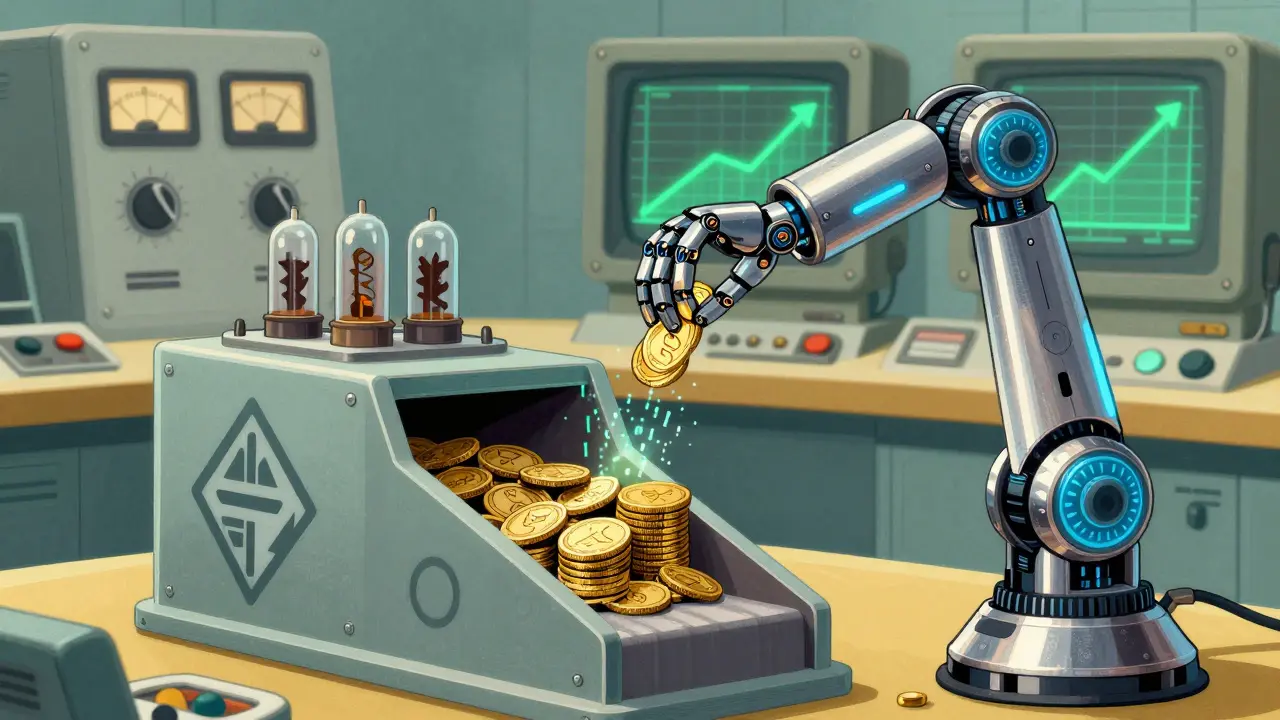
A buyback and burn program is a two-step process where a blockchain project or exchange uses its revenue to purchase its native token from the open market and then permanently removes those tokens from circulation. The "burning" part involves sending the tokens to a special wallet address-often called a blackhole or burn address-that has no private key. Once there, the tokens are gone forever. You cannot spend them, transfer them, or recover them.
This strategy borrows directly from traditional finance. Public companies like Apple or Microsoft regularly buy back shares to boost earnings per share. In crypto, the goal is similar: reduce supply to increase demand pressure. However, the execution differs significantly because crypto markets operate 24/7 and are highly volatile. A successful program requires transparency. If users cannot verify that the tokens were truly burned, trust evaporates quickly.
The Mechanics: How Burning Actually Happens
Let’s look at the technical side. When a project announces a burn, here is what happens under the hood:
- Fund Allocation: The project sets aside a specific percentage of its revenue. For example, Binance has historically committed 20% of its quarterly profits to buying back BNB tokens.
- Market Purchase: The team buys tokens on decentralized exchanges (DEXs) or centralized platforms over several days to avoid spiking the price artificially.
- Transfer to Burn Address: The acquired tokens are sent to an irretrievable address. On Ethereum-based chains, this is often
0x000...dEaD. - Verification: Anyone can check the blockchain explorer to confirm the transaction. The balance in the burn address increases, and the total circulating supply decreases.
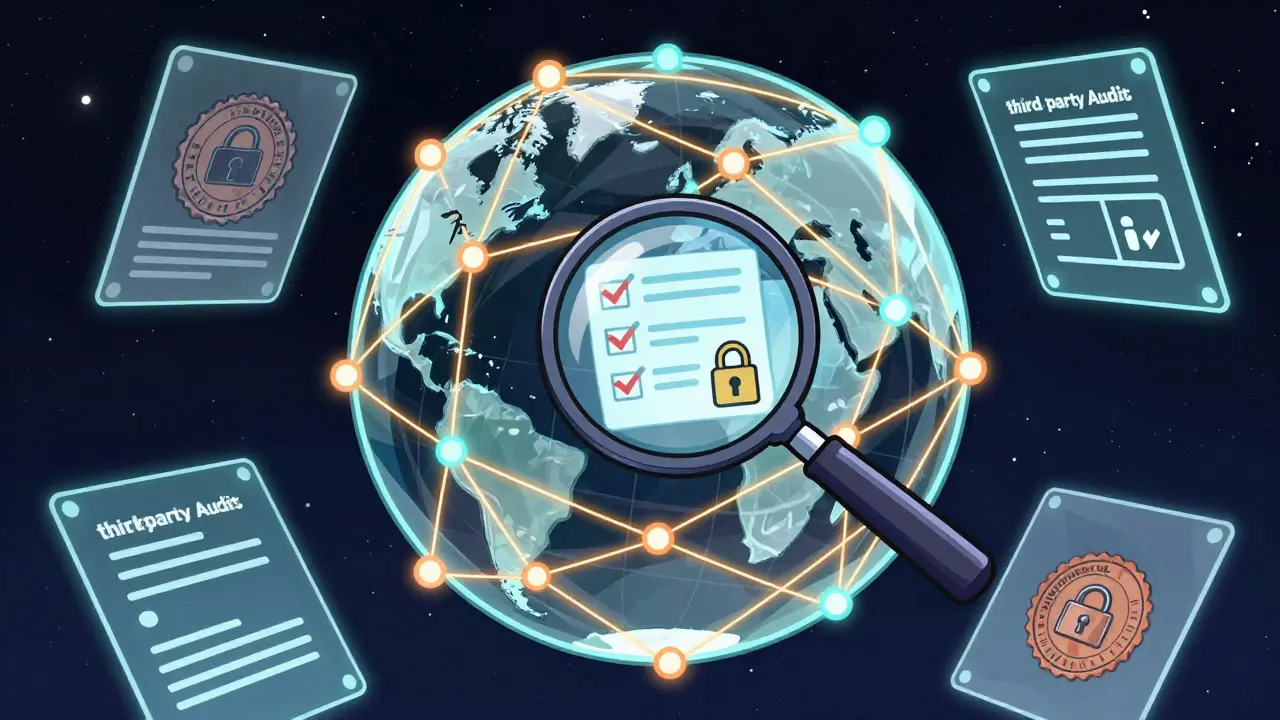
Transparency is non-negotiable. In 2022, a project claimed to burn 50 million tokens but was caught transferring them between controlled wallets instead. The backlash was immediate. Today, reputable projects use third-party auditors like CertiK or OpenZeppelin to verify burns, adding a layer of security that costs between $5,000 and $15,000 per event.
Major Examples: Binance vs. Ethereum vs. TRON
Not all burn programs are created equal. Different projects use different triggers for when and how much to burn. Here is how the big players compare:
| Project | Burn Trigger | Frequency | Total Burned (Approx.) |
|---|---|---|---|
| BNB Chain | 20% of Quarterly Profits + Auto-Burn | Quarterly + Continuous | $6.2 Billion+ USD |
| Ethereum | EIP-1559 Base Fee | Every Transaction | $10.5 Billion+ USD |
| TRON | One-Time Event | Single Event (2018) | $1.8 Billion USD |
Binance Coin (BNB): Binance pioneered the profit-based model. They aim to burn until only 100 million BNB remain (50% of the original supply). Their "Auto-Burn" mechanism, introduced in 2022, adjusts the burn amount based on trading volume, making it dynamic rather than static.
Ethereum (ETH): Ethereum doesn’t buy back ETH with profits. Instead, EIP-1559 changed how gas fees work. A portion of every transaction fee is burned automatically. During high network activity, more ETH is burned, potentially making the asset deflationary. Since August 2021, over 3.5 million ETH has been removed from circulation.
TRON (TRX): In 2018, TRON executed a massive single burn of 1 billion TRX (50% of supply). While dramatic, it lacked the sustained psychological support of regular burns. Market impact studies suggest that predictable schedules create more stable price floors than one-off events.
Does Burning Increase Price? The Data Says...
You might assume that fewer tokens always mean higher prices. Basic economics says yes, but crypto markets are messy. Let’s look at the evidence.
Research from the University of Cambridge’s Digital Assets Research Group analyzed 15 major burn events. Only four showed statistically significant price increases lasting longer than 30 days. The rest saw short-term spikes followed by a return to trend. Why? Because if demand drops faster than supply, the price still falls.
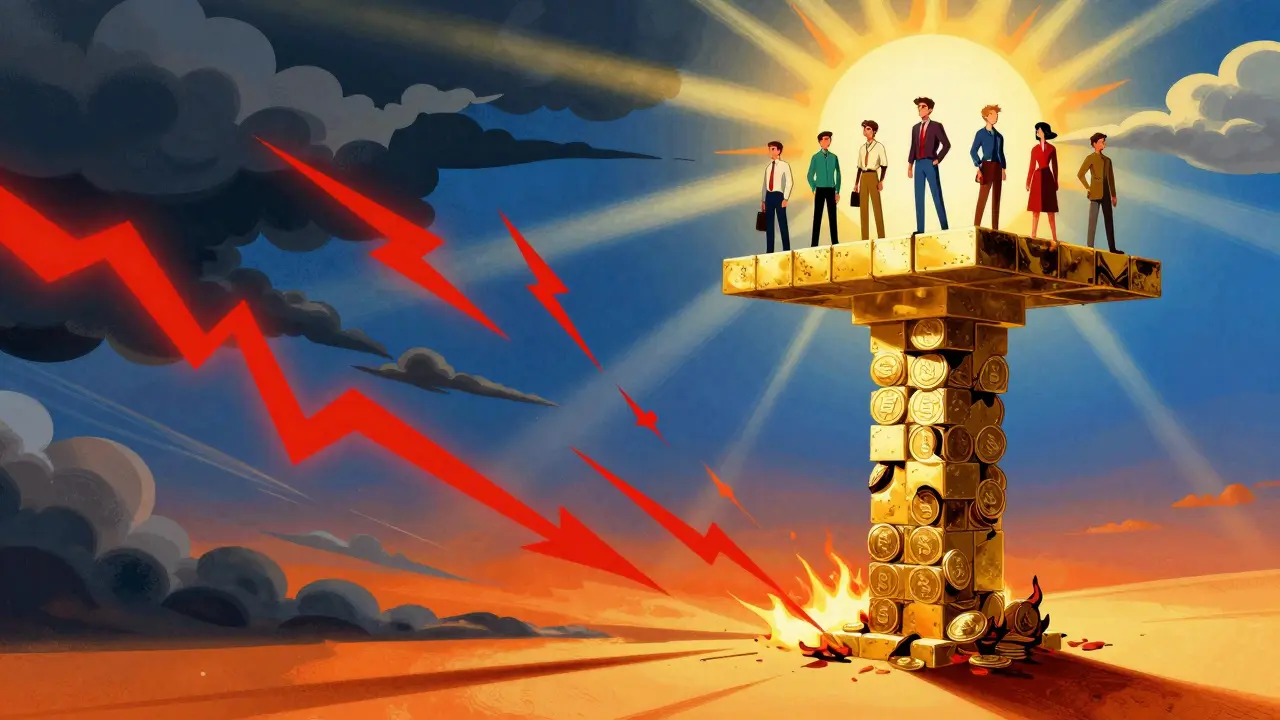
However, there is a clear benefit in volatility reduction. Tokens with regular burn schedules experienced 15-20% less price swing during the 2022 bear market compared to similar tokens without burns. Investors like predictability. Knowing that 20% of Binance’s profits will remove BNB from circulation creates a psychological floor. It signals commitment. As one Reddit user noted, "The predictability of BNB burns creates reliable support levels."
But beware of manipulation. Some projects announce burns right before a price dip to prop up confidence. Always check the blockchain. If the burn isn’t verified, ignore the hype.
Controversies and Risks
Burning isn’t magic. Critics argue it can be harmful. Chris Burniske of Placeholder VC published a white paper titled "Stop Burning Tokens - Buyback and Make Instead." His argument? Governance tokens represent ownership. Burning them destroys capital that could be used to grow the ecosystem. Instead of burning, he suggests redistributing bought-back tokens to stakers or developers.
Regulators are also watching. The SEC has hinted that improper burn structures could be seen as unregistered securities offerings. In March 2023, the SEC took action against a project for misrepresenting its burn mechanics. The lesson? Transparency must be absolute. If you claim to burn, you must prove it on-chain.
Another risk is market timing. If a project buys back tokens when prices are high, they waste money. Huobi faced criticism in Q3 2022 when 75% of their purchased tokens were bought at prices 20% above the quarterly average. Efficient burning requires smart execution, not just good intentions.
How to Evaluate a Burn Program
If you are considering investing in a token with a burn mechanism, ask these questions:
- Is the trigger sustainable? Profit-based burns depend on revenue. If the exchange loses money, the burn stops. Fee-based burns depend on usage. If the network is empty, nothing burns.
- Is it transparent? Can you see the burn address? Is there a third-party audit? If the project hides the details, walk away.
- What is the frequency? Regular burns (quarterly or continuous) build trust better than random, large events.
- Does the project have utility? Burning alone won’t save a dead project. The token needs real use cases-governance, staking, payments-to drive demand.
Look at the correlation between burn quantity and price performance. Across 30 major tokens, the correlation coefficient was only r=0.37. This means burns explain less than 15% of price movement. Fundamentals matter more.
The Future: Beyond Simple Burns
By 2026, we are seeing evolution. Projects are experimenting with hybrid models. MakerDAO, for instance, shifted to a "buyback-and-make" approach, distributing repurchased MKR tokens to stakers instead of burning them. This rewards long-term holders while reducing supply indirectly through lock-ups.
Binance’s "Burn Hub" integrates real-time fee burning with quarterly profit burns, creating a multi-layered deflationary engine. Ethereum’s upcoming upgrades continue to refine EIP-1559 efficiency. The trend is clear: sophistication is replacing simplicity.
As Dr. Fabian Schär from the University of Zurich warns, "Without corresponding utility growth, supply reduction alone cannot sustain token value indefinitely." Burning is a tool, not a strategy. Use it wisely.
What is the difference between a buyback and a burn?
A buyback is when a project purchases its own tokens from the market using revenue. A burn is the act of sending those tokens to an inaccessible address to destroy them. Most programs do both: buy back first, then burn.
Does burning tokens guarantee price increase?
No. While reducing supply can support price, it does not guarantee an increase. If demand falls faster than supply, the price will drop. Burns provide psychological support and reduce volatility, but they cannot overcome weak fundamentals.
How can I verify if a token was really burned?
Check the blockchain explorer for the specific network. Look for transactions sending tokens to known burn addresses (like 0x000...dEaD on Ethereum). Reputable projects also publish third-party audit reports confirming the burn.
Which crypto has the largest burn history?
Ethereum has burned the most value due to EIP-1559, exceeding $10.5 billion. Binance Coin (BNB) follows closely with over $6.2 billion burned through its profit-based program.
Are burn programs regulated?
Regulation varies by region. The EU’s MiCA framework permits burn mechanisms. The US SEC has warned against misleading burn claims, treating improper structures as potential securities violations. Always ensure the project provides verifiable proof.