Consumer Protection for Crypto in Japan: 2025-2026 Rules & Safety
 Jun, 5 2026
If you hold cryptocurrency in a Japanese exchange, your money is safer than almost anywhere else on Earth. But safety comes with strict rules that change fast. In 2025 and 2026, the Financial Services Agency (FSA) tightened its grip on how exchanges handle your funds, recover them after a crash, and classify new tokens. For the average user, this means faster refunds if an exchange fails, but also more paperwork to prove who you are.
Japan has over 12 million crypto accounts holding more than 5 trillion yen ($33.7 billion). That’s a lot of skin in the game. The government knows that if one big exchange collapses, it hurts everyone. So they built a wall around the industry. This guide breaks down exactly how those walls work, what changed in the 2025 amendments, and what you need to watch out for as we move through 2026.
The Core Shield: Payment Services Act (PSA)
At the heart of Japanese crypto law is the Payment Services Act (PSA). Think of this as the rulebook for anyone selling or swapping digital assets. You can’t just open a website and start trading Bitcoin in Japan. You have to register with the FSA first.
Why does registration matter to you? Because registered exchanges must follow strict operational standards. The most important one is segregation of funds. An exchange cannot mix your Bitcoin with their own company bank account. If the exchange goes bankrupt, creditors can’t touch your crypto. It belongs to you, not them.
Here are the non-negotiables for any legal exchange in Japan:
- Cold Storage Mandate: At least 95% of user assets must be kept in offline "cold wallets." This protects against hackers stealing funds from online servers.
- Physical Presence: Exchanges must have a physical office and operations within Japan. No ghost companies operating from overseas.
- KYC/AML Checks: Strict Know Your Customer and Anti-Money Laundering procedures. You will need to verify your identity thoroughly before trading.
- Capital Reserves: Exchanges must hold enough cash reserves to stay stable during market crashes.
If an exchange breaks these rules, the penalties are harsh. Under Article 107 of the Amended PSA, unregistered operations can lead to up to three years in prison or fines up to JPY 3 million. Starting June 1, 2025, imprisonment was replaced by "confinement punishment" (koukin-kei) under updated Penal Code laws, but the threat remains serious.
The 2025 Game Changer: Faster Fund Recovery
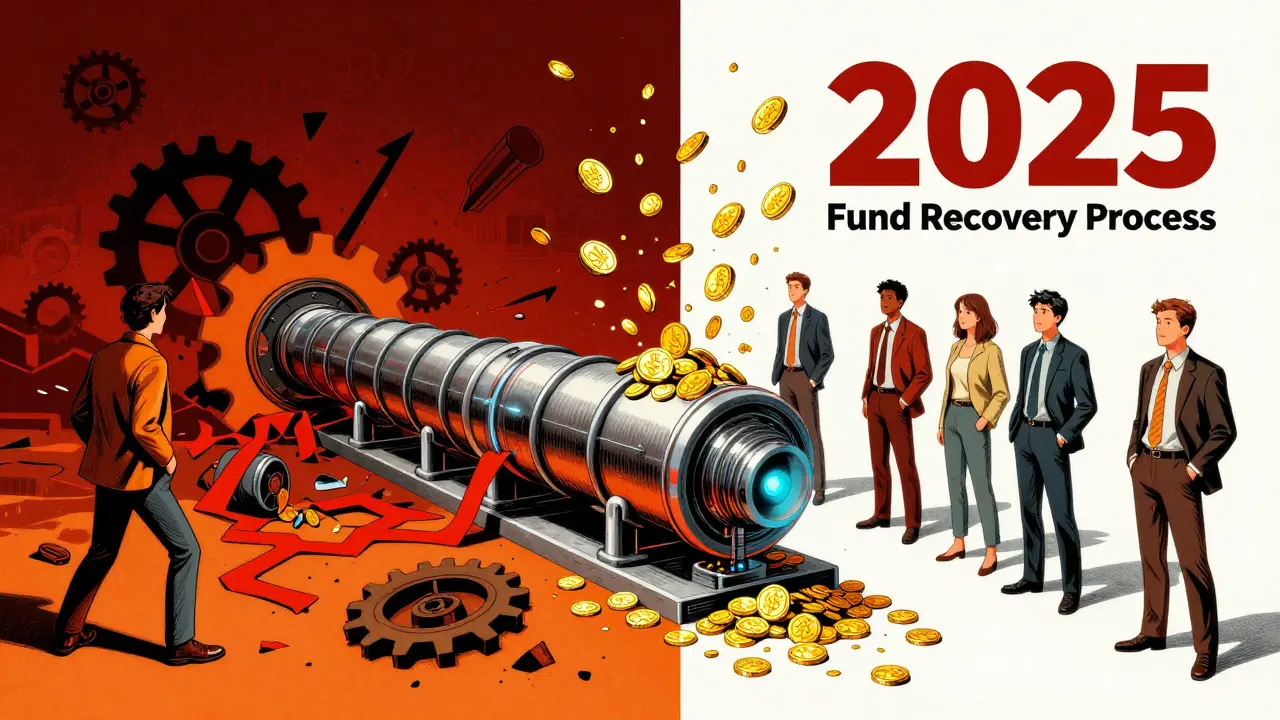
For years, the biggest fear for crypto users was: "What if my exchange goes bust?" In Japan, the answer used to be: "Wait six months." Before 2025, if an exchange failed, the government had to step in, secure the assets through banks or trusts, and then slowly distribute them back to users. This process took at least 170 days. That’s nearly half a year of uncertainty.
The 2025 Amendment to the Payment Services Act fixed this. Now, banks and trust companies can return secured funds directly to users without waiting for the full government procedure. This direct refund option is a massive win for consumer protection. It means you get your money back faster, reducing panic and financial stress during a crisis.
This change reflects a shift in philosophy. Regulators realized that speed matters just as much as security. By cutting out bureaucratic red tape in emergency situations, they’ve made the system more resilient.
New Rules for Credit Cards and Payments
You might want to spend your crypto easily. Many exchanges offer credit cards linked to your crypto balance. But here’s where the rules get tricky. If a crypto exchange issues a card that allows installment payments over two months, revolving payments, or bonus lump-sum payments, it crosses into lending territory.
Under the Installment Sales Act Article 31, this counts as "credit purchase intermediation." The exchange must register as a credit intermediary. This triggers extra consumer protections:
- Mandatory disclosure of interest rates and fees.
- Strict requirements to provide customer information.
- Oversight to prevent predatory lending practices disguised as crypto spending.
So, if you’re using a crypto-linked card in Japan, check if the issuer is registered for both crypto exchange services and credit intermediation. If they aren’t, you might not have the same protections if things go wrong.
Token Reclassification: The FIEA Shift
Not all digital tokens are created equal. The FSA distinguishes between "crypto-assets" (like Bitcoin) and other types of tokens. As of June 2025, the FSA began moving certain tokens-those with investment-like features or governance rights-under the Financial Instruments and Exchange Act (FIEA).
What does this mean for you?
- Stricter Disclosures: Companies issuing these tokens must provide detailed, honest information about their projects, similar to stock offerings.
- Insider Trading Rules: Market manipulation and insider trading are now explicitly banned for these tokens.
- ETF Access: This reclassification paves the way for regulated crypto ETFs, including spot Bitcoin products, giving investors safer, traditional ways to gain exposure.
Expect formal legislation for this FIEA integration in early 2026. This will bring crypto closer to traditional securities regulation, adding another layer of safety but also more complexity for issuers.
Who Is Protected? The Retail Investor Focus
Japanese regulators know who their primary audience is. About 70% of crypto users in Japan are middle-income earners looking for long-term gains, not day-trading gamblers. Finance Minister Katsunobu Kato has publicly stated that crypto can be part of a diversified portfolio, despite its volatility.
This focus shapes the rules. The system is designed to protect the everyday saver, not the high-frequency trader. That’s why KYC is so strict-to keep bad actors out and ensure that retail investors aren’t scammed. It’s also why the FSA established a DeFi Study Group. They meet every few months with industry experts to figure out how to regulate decentralized finance without stifling innovation. They want to extend consumer protections to smart contracts and decentralized platforms, but they’re taking their time to get it right.
| Feature | Payment Services Act (PSA) | Financial Instruments Act (FIEA) |
|---|---|---|
| Covers | Crypto-assets (Bitcoin, Ethereum, etc.) | Security Tokens, Investment-like Tokens |
| Primary Goal | Exchange stability, fund segregation | Investor disclosure, market fairness |
| Key Requirement | d>95% Cold Storage, FSA Registration | Prospectus filing, Insider trading bans |
| Recent Change (2025/26) | Faster fund recovery (direct refunds) | Reclassification of governance/investment tokens |

Pitfalls to Avoid in 2026
Even with strong laws, you can still make mistakes. Here’s what to watch for:
- Unregistered Platforms: Never use an exchange not listed on the FSA registry. If they aren’t registered, your funds aren’t segregated, and you have zero recourse if they vanish.
- Stablecoin Confusion: The 2025 amendment aims to reduce burdens on stablecoin issuers to promote adoption. However, ensure the stablecoin you’re using is backed by transparent reserves. Not all "stable" coins are equally safe.
- Cross-Border Collections: New regulations for cross-border collection services are being discussed. Be wary of services promising easy international transfers that bypass standard AML checks. These are often scams targeting regulatory gaps.
- DeFi Risks: While the DeFi Study Group works on rules, decentralized platforms currently operate in a gray area. Smart contract bugs or exploits won’t trigger the same fund recovery mechanisms as a registered exchange failure.
Looking Ahead: What Comes Next?
The framework isn’t static. The FSA is constantly tweaking the rules based on market feedback. In 2026, expect clearer guidelines on:
- Spot Bitcoin ETFs: With the FIEA changes, approved ETFs should become more accessible to retail investors.
- DeFi Regulations: Specific rules for decentralized exchanges and lending protocols will likely emerge, bringing them under some form of oversight.
- Global Standards: Japan is positioning itself as a leader in crypto regulation. Watch for alignment with global standards like FATF travel rules, which may affect how you send crypto abroad.
The goal is clear: make crypto safe enough for your retirement savings, but strict enough to stop criminals. For the average user, this means doing your homework. Stick to FSA-registered exchanges, understand the difference between PSA and FIEA tokens, and never invest more than you can afford to lose. The system is robust, but it’s not magic.
Is my crypto safe if a Japanese exchange goes bankrupt?
Yes, largely. Registered exchanges must segregate your funds from their corporate assets. The 2025 PSA amendment also allows for direct refunds from banks/trusts, speeding up recovery from weeks/months to a much shorter timeframe.
Do I need to verify my identity to trade crypto in Japan?
Yes. All FSA-registered exchanges are required to implement strict Know Your Customer (KYC) and Anti-Money Laundering (AML) procedures. You cannot trade anonymously on legitimate platforms.
What is the 95% cold wallet rule?
Exchanges must keep at least 95% of user cryptocurrency assets in offline storage (cold wallets). This protects your funds from online hacking attempts. Only a small percentage can be kept in hot wallets for immediate withdrawals.
Are all digital tokens treated the same under Japanese law?
No. Basic cryptocurrencies fall under the Payment Services Act (PSA). Tokens with investment or governance features are increasingly classified under the Financial Instruments and Exchange Act (FIEA), which imposes stricter disclosure and anti-fraud rules.
Can I use a crypto credit card in Japan?
Yes, but the issuer must be registered as a credit purchase intermediary under the Installment Sales Act if they offer installments or revolving payments. This ensures you have consumer protections regarding lending terms and disclosures.
What happens if I use an unregistered exchange?
You have no legal protection. Unregistered exchanges do not segregate funds or maintain cold storage mandates. If they fail or scam users, recovering your assets is extremely difficult, and the operators face severe criminal penalties.
When will the new FIEA token rules take effect?
Formal legislation for the reclassification of certain tokens under the FIEA is expected in early 2026. This will introduce stricter disclosure requirements and market conduct regulations for investment-like digital assets.