How to Buy Crypto for Fiat in Nigeria: A Practical Guide for 2026
 May, 29 2026
Buying cryptocurrency with Nigerian Naira (NGN) used to be a straightforward process until the Central Bank of Nigeria (CBN) tightened regulations in 2021. For years, that ban created a maze of restrictions, forcing users into risky workarounds or expensive conversion paths. But by May 2026, the landscape has shifted dramatically. Major global platforms have integrated direct Naira support, and peer-to-peer (P2P) ecosystems have matured into secure, reliable markets. You no longer need to rely on shady middlemen or fear having your bank account frozen if you know the right channels.
This guide cuts through the noise. It explains exactly how to convert fiat currency into digital assets like Bitcoin and Ethereum safely, legally, and efficiently in today’s Nigerian market. Whether you are a beginner looking for simplicity or an experienced trader seeking the best rates, these methods cover the current reality of crypto adoption in Africa’s largest economy.
Understanding the Current Regulatory Landscape
To buy crypto successfully, you first need to understand the rules of the road. The CBN’s 2021 directive prohibited commercial banks from facilitating cryptocurrency transactions. This did not make owning crypto illegal for individuals, but it made moving money between your bank account and an exchange difficult. Banks would often flag or block transfers to known crypto exchanges.
However, the regulatory environment is evolving. While direct bank transfers to offshore exchanges remain restricted, the rise of licensed local operators and robust P2P networks has bridged the gap. Platforms now use escrow services and direct payment integrations that comply with Anti-Money Laundering (AML) standards. This means you can still move NGN into crypto, but you must choose platforms that prioritize compliance and security. Ignoring these nuances can lead to frozen funds or failed transactions.
The Rise of Direct Naira Integration
The most significant change in 2025 and 2026 is the arrival of direct fiat on-ramps from major international players. Previously, Nigerians had to convert Naira to USD or EUR before buying crypto, incurring double fees. Now, platforms like Blockchain.com have officially supported NGN as a fiat currency since March 2025. This integration allows you to deposit Naira directly and purchase Bitcoin, Ethereum, or Dogecoin without intermediate steps.
Using a platform with direct NGN support simplifies the process significantly:
- Account Verification: Complete KYC (Know Your Customer) checks, which usually take minutes.
- Direct Deposit: Transfer NGN via approved banking channels or mobile payments.
- Instant Trading: Execute trades immediately at competitive rates.
This method is ideal for beginners who want transparency and ease of use. It eliminates the complexity of negotiating with individual sellers and reduces the risk of fraud associated with informal markets.
Leveraging Peer-to-Peer (P2P) Exchanges
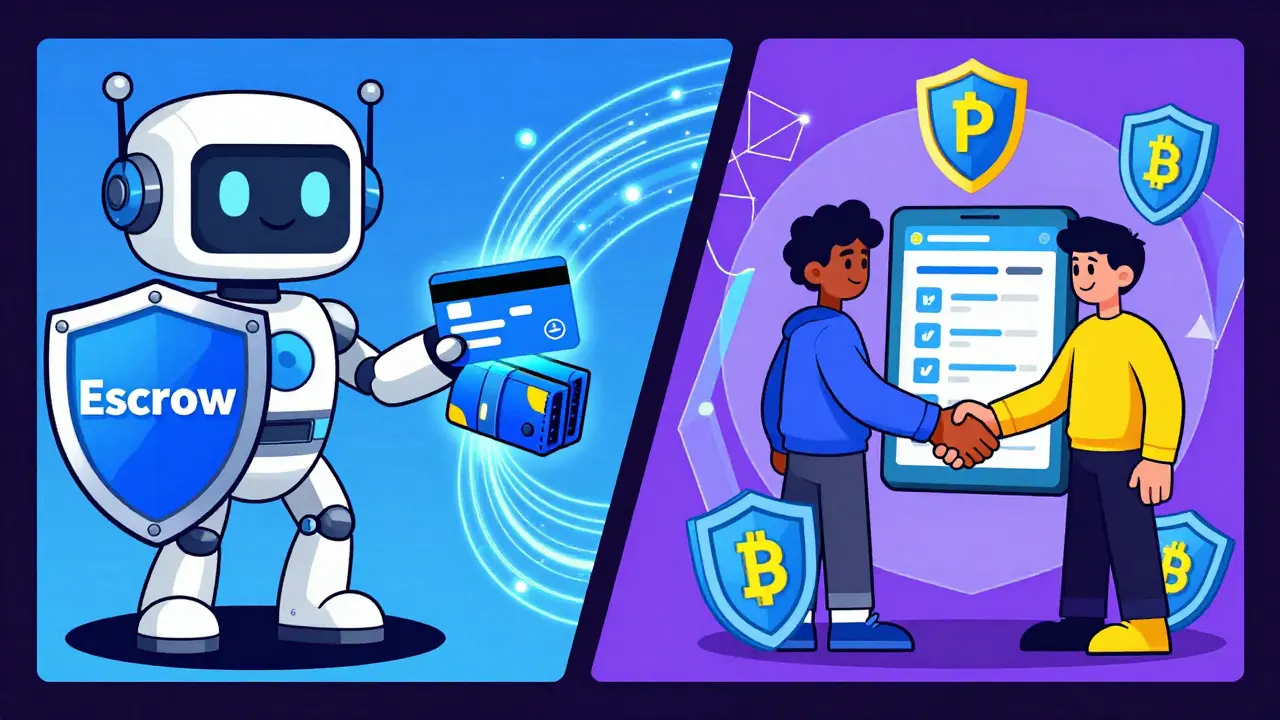
If direct integration isn’t available for your preferred asset or if you seek better rates, P2P exchanges remain the backbone of Nigerian crypto trading. Platforms like Binance and Bybit offer dedicated P2P sections tailored for Nigerian users. These platforms connect buyers and sellers directly, using an escrow system to protect both parties.
Here is how P2P trading works in practice:
- Select Your Asset: Choose the cryptocurrency you want to buy, such as USDT (Tether) or Bitcoin.
- Filter Sellers: Look for sellers with high completion rates (95%+) and numerous orders. Check their reputation carefully.
- Initiate Order: Enter the amount of NGN you wish to spend. The platform locks the seller’s crypto in escrow.
- Make Payment: Transfer NGN to the seller’s specified bank account or mobile wallet. Use your real name to avoid confusion.
- Confirm Release: Once the seller confirms receipt, the platform releases the crypto to your wallet.
P2P trading offers flexibility in payment methods, including bank transfers, OPay, Palmpay, and other local fintech solutions. However, it requires vigilance. Never release payment outside the platform’s chat interface, and always verify the seller’s identity before transferring large sums.
Using Specialized Brokers and Aggregators
For those who prefer a middle ground between direct integration and P2P complexity, specialized brokers and aggregators provide user-friendly interfaces. Luno has long been a trusted name in Africa, offering direct Naira deposits and a secure environment for buying major cryptocurrencies. While its selection may be smaller than global giants, its reliability and customer support make it a solid choice for conservative investors.
Another option is Changelly, which aggregates offers from multiple providers. Changelly allows you to buy Bitcoin with NGN using Visa, Mastercard, Apple Pay, or Google Pay. For transactions over $150, you will need to complete KYC verification. This service is convenient for quick purchases but may come with higher fees compared to P2P or direct exchange trading.
It is also worth noting platforms like Breet, which specialize in OTC (Over-The-Counter) trading. While Breet is primarily known for selling crypto back to Naira, understanding its ecosystem helps you plan your exit strategy. Always ensure you have a clear path for both entering and exiting positions.
Step-by-Step Guide to Your First Purchase
Ready to buy? Follow this streamlined process to ensure a smooth experience:
1. Choose Your Platform
Decide based on your needs. For simplicity, go with Blockchain.com or Luno. For better rates and variety, use Binance or Bybit P2P. For speed with cards, consider Changelly.
2. Complete KYC Verification
All reputable platforms require identity verification. Prepare a valid government-issued ID (passport, driver’s license, or national ID) and proof of address. This step protects you and complies with financial regulations.
3. Fund Your Account
Transfer NGN using the method supported by your chosen platform. For P2P, send money directly to the seller. For direct integrations, use the provided bank details or card payment options.
4. Execute the Trade
Enter the amount of crypto you wish to buy. Review the fee structure and total cost before confirming. Double-check all details to avoid errors.
5. Secure Your Assets
Once purchased, transfer your crypto to a personal wallet if you plan to hold it long-term. Leaving assets on an exchange exposes them to potential security risks. Hardware wallets offer the highest level of protection.
Comparison of Popular Methods
| Method | Best For | Fees | Security Level | Speed |
|---|---|---|---|---|
| Direct Integration (e.g., Blockchain.com) | Beginners, Simplicity | Moderate | High | Fast |
| P2P Exchanges (e.g., Binance, Bybit) | Advanced Users, Best Rates | Low to Moderate | Medium (Depends on Seller) | Variable (Minutes to Hours) |
| Aggregators (e.g., Changelly) | Quick Card Purchases | High | High | Very Fast |
| Local Brokers (e.g., Luno) | Conservative Investors | Moderate | High | Fast |
Risks and How to Mitigate Them
No investment is without risk. In Nigeria, additional challenges include regulatory uncertainty and platform-specific issues. Here is how to stay safe:
- Scams: Never share your private keys or seed phrases. Be wary of unsolicited messages promising guaranteed returns. Stick to verified platforms.
- Bank Blocks: If your bank blocks a transaction, contact customer support immediately. Provide proof that the recipient is a legitimate business entity if possible. Consider using multiple banks or fintech apps to diversify access.
- Volatility: Crypto prices fluctuate wildly. Only invest what you can afford to lose. Use dollar-cost averaging (DCA) to mitigate timing risks.
- Platform Risk: Do not keep large amounts of crypto on any single exchange. Withdraw to a self-custody wallet after purchasing.
Future Outlook for Nigerian Crypto Users
The trajectory for cryptocurrency in Nigeria is positive. With major platforms integrating Naira directly and regulatory frameworks gradually clarifying, access will only become easier. Expect more local fintech companies to partner with global exchanges, offering seamless mobile-first experiences. As adoption grows, so does infrastructure, leading to lower fees and faster settlements.
Stay informed about regulatory updates from the CBN and SEC (Securities and Exchange Commission). Compliance will remain key, but the door is open for responsible participation in the global digital economy.
Is it legal to buy cryptocurrency in Nigeria?
Yes, owning cryptocurrency is legal for individuals in Nigeria. However, the Central Bank of Nigeria restricts commercial banks from facilitating crypto transactions. This means you cannot directly transfer money from your bank account to some offshore exchanges, but you can use P2P platforms or licensed local services that comply with AML regulations.
What is the safest way to buy Bitcoin with Naira?
The safest methods involve regulated platforms with strong security measures. Using direct Naira integration on platforms like Blockchain.com or Luno provides high security. Alternatively, using P2P exchanges like Binance or Bybit with highly rated sellers and escrow protection is also very safe. Always enable two-factor authentication (2FA) on your accounts.
Why do some banks block crypto transactions?
Banks block transactions to comply with the CBN’s 2021 directive, which prohibits them from processing payments for crypto-related businesses. This is a precautionary measure to prevent money laundering and maintain financial stability. Using P2P platforms where you pay individual sellers rather than exchange entities often bypasses these blocks.
Can foreigners buy crypto in Nigeria?
Yes, foreign nationals can buy cryptocurrency in Nigeria using platforms like Changelly or Binance, provided they complete the necessary KYC verification. You will need valid identification and proof of address. Ensure you comply with both Nigerian regulations and your home country’s tax laws regarding crypto investments.
What are the fees for buying crypto in Nigeria?
Fees vary by platform and method. Direct integrations typically charge 0.5% to 2%. P2P trading fees are often lower, sometimes just 0.1% or free, but sellers may build a premium into their price. Card payments via aggregators like Changelly can incur higher fees, ranging from 1% to 3%, plus network gas fees for blockchain transactions.