How to Get OneRare Ingredient NFTs: A Guide to the Foodverse Ecosystem
 Apr, 22 2026
If you're hunting for a traditional "click a button and get free money" airdrop, you might be surprised by how OneRare is a decentralized food metaverse, often called the 'Foodverse', that turns global culinary arts into a blockchain-based gaming experience. Also known as the OneRare ecosystem, it focuses on a Play-to-Earn (P2E) model where rewards are earned through active participation rather than passive waiting.
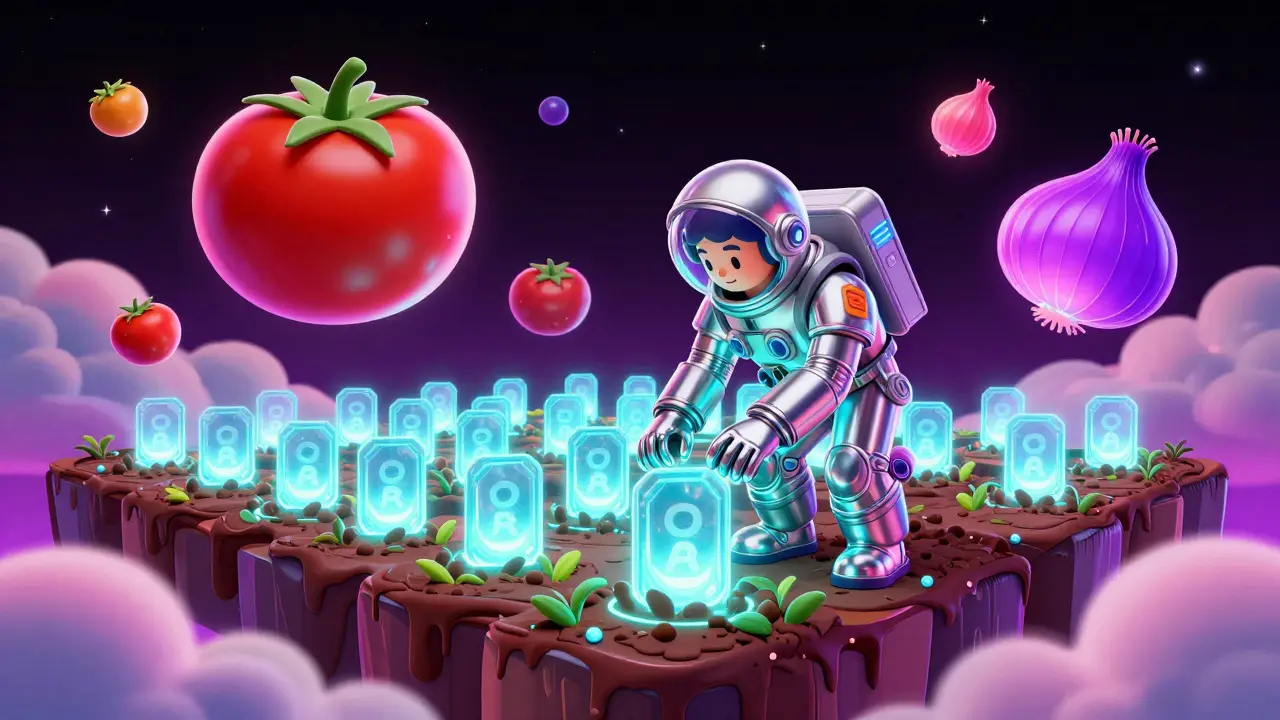
The reality is that OneRare doesn't typically do simple airdrops of its Ingredient NFTs . Instead, they use a clever farming system. To get these digital assets, you don't just check your wallet; you have to actually "plant" your tokens. This approach ensures that the OneRare Ingredient NFT supply remains balanced and tied to the actual utility of the game.
The Farming Mechanic: How to Earn Ingredients
To get ingredients like digital onions, tomatoes, or lettuce, you need to engage with the ORARE token. This is the native currency of the ecosystem. The process isn't a random drop but a calculated reward for staking. Here is exactly how the flow works:
- Staking ORARE: You lock your tokens into one of the six themed farming pools. These pools are designed around different types of world cuisines.
- Passive Emission: Once your tokens are staked, the system emits ingredient NFTs at a fixed hourly rate.
- Randomized Rewards: You can't pick exactly what you get. Each pool contains a randomized list of ingredients, meaning you might be hoping for a potato but end up with a tomato.
This system transforms the concept of an airdrop into a sustainable reward loop. By requiring users to stake ORARE, the platform reduces the immediate circulating supply of the token while giving players the raw materials they need to progress in the game.
Navigating the Foodverse Gaming Zone
The OneRare Foodverse is divided into four main areas, each serving a specific purpose in the economic cycle of the game. Understanding these zones is the only way to move from simply "having" an NFT to actually "using" it.
| Zone | Primary Activity | Key Outcome |
|---|---|---|
| The Farm | Staking ORARE tokens | Acquiring Ingredient NFTs |
| Farmer's Market | Trading and Shopping | Selling produce or buying rare items |
| The Kitchen | Combining Ingredients | Minting Dish NFTs (burns ingredients) |
| The Playground | Playing mini-games | Winning additional NFT rewards |
The most critical part of this cycle happens in the Kitchen. This is where the "burn mechanism" kicks in. To create a Dish NFT-like French Fries-you must combine specific ingredients (oil, salt, and potato). Once you mint the dish, those original ingredient NFTs are destroyed. This prevents the market from being flooded with basic ingredients and keeps the value of the assets stable.
Real-World Chaos: The Environmental Impact
One of the most unique things about the Foodverse is that it doesn't operate in a vacuum. The developers have introduced "environmental events" that mimic real-world agricultural struggles. This adds a layer of strategy that most P2E games completely ignore.
Imagine you've spent days farming a specific ingredient to complete a high-value dish. Suddenly, a "pest attack" or a "tornado" hits the Farm. These events can stop the production of certain crops for a set period. When a drought hits, the supply of the affected ingredient drops, which naturally drives the price up in the Farmer's Market. If you're holding the right NFTs when a disaster strikes, you can potentially turn a significant profit by selling to other players who are desperate to complete their recipes.
Infrastructure and the Polygon Advantage
OneRare is built on the Polygon network. This was a strategic choice to avoid the massive "gas fees" associated with the Ethereum mainnet. Since the game requires frequent interactions-staking, claiming, and burning ingredients-doing this on a Layer 2 solution makes the game accessible to regular people, not just whales with thousands of dollars to spend on transaction fees.
By using Polygon, OneRare ensures that the micro-transactions involved in cooking a digital meal don't cost more than the meal itself. This technical foundation allows for a more fluid economy where users can trade small amounts of ingredients without worrying about the cost of the transfer.
Strategic Partnerships and Culinary Authority
To give the Foodverse actual prestige, OneRare doesn't just rely on generic food items. They've partnered with real-world culinary experts to create "Signature Dishes." By collaborating with Michelin star chefs like Anthony Sarpong and MasterChef contestants like Reynold Poernomo, the platform bridges the gap between digital assets and real-world expertise.
These partnerships lead to the creation of premium NFTs. While you can farm a basic tomato, a signature dish NFT backed by a celebrity chef has much higher scarcity and value. This creates a tiered system where casual players farm basics, while collectors hunt for the high-end collaborations.
Is there a free airdrop for OneRare Ingredient NFTs?
Generally, no. OneRare focuses on a staking-based distribution model. To get ingredient NFTs, you typically need to stake ORARE tokens in the farming pools. While promotional events may occur, the primary way to acquire these assets is through the platform's active gaming mechanics.
What happens to ingredients after I cook a dish?
When you combine ingredients in the Kitchen to mint a Dish NFT, the original ingredient NFTs are burned. This means they are permanently removed from the blockchain and cannot be recovered, which helps maintain the scarcity of the items.
Which blockchain does OneRare use?
OneRare operates on the Polygon network. This allows for faster transactions and significantly lower fees compared to Ethereum, making it easier for players to interact with the Foodverse frequently.
How do environmental events affect the game?
Events like droughts, tornadoes, and pest attacks can randomly occur in the Farm. These events stop the production of specific ingredients for a certain time, creating scarcity and often leading to price increases for those items in the Farmer's Market.
Can I sell my farmed ingredients?
Yes, you can take your farmed produce to the Farmer's Market. There, you can sell your ingredients to other players or trade them for special items that cannot be farmed.
Next Steps for New Players
If you're just starting out, your first move should be setting up a compatible wallet (like MetaMask) and switching it to the Polygon network. Once you've acquired some ORARE tokens, head to the Farm and decide which cuisine pool interests you most. Remember that the market is volatile-keep an eye on the "weather" in the Foodverse, as a sudden drought could be your best chance to sell your stockpiled ingredients for a premium.