How Turkish Citizens Trade Crypto Despite Payment Ban: Workarounds & Risks
 Aug, 21 2026
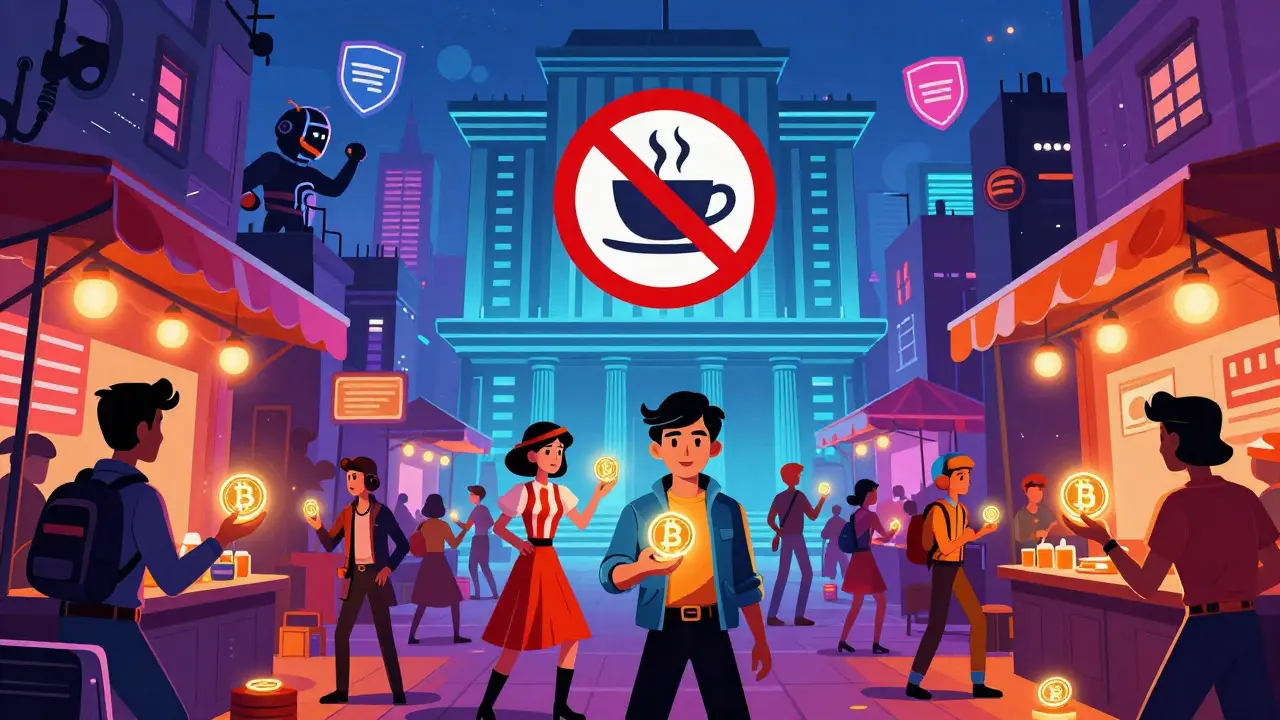
Imagine being able to buy and sell Bitcoin freely, but never using it to pay for your coffee or rent. That is the reality for millions of people in Turkey. Since April 2021, the Central Bank of the Republic of Turkey (CBRT) has banned cryptocurrency as a payment method. However, holding and trading these assets remain perfectly legal. This unique regulatory split has created a bustling underground economy where citizens use creative technical methods to keep their digital assets active. If you are curious about how this works, or if you operate in similar restricted markets, understanding these mechanisms is crucial.
The Regulatory Landscape: What Is Actually Banned?
To understand the workarounds, you first need to know exactly what the law says. The CBRT’s circular No. 2021-32/33 prohibited businesses from accepting crypto for goods and services. It did not ban individuals from owning coins. Instead, it focused on consumer protection against volatility. This distinction is vital because it means that buying, selling, and swapping tokens on an exchange is legal, provided you use licensed platforms. The Capital Markets Board (CMB) oversees these exchanges. As of January 2025, major players like Binance Turkey, Paribu, and Bitlo have received provisional authorization. But there is a catch: strict identity verification rules apply to larger transactions, creating a two-tier market that drives many users toward alternative methods.
Method One: Licensed Exchanges and the KYC Hurdle
The safest route is using a CMB-licensed exchange. Platforms like Paribu and Binance Turkey offer user-friendly interfaces with fast Turkish Lira withdrawals. However, they come with mandatory Know Your Customer (KYC) checks. If your transaction exceeds 15,000 Turkish lira (roughly $425), you must verify your identity. For most casual traders, this is manageable. Verification usually takes between 15 and 45 minutes. But for those moving significant capital, this threshold creates friction. Many users report splitting their trades to stay under this limit, a practice that, while common, technically blurs the line of compliance. Fees on these platforms are low, typically ranging from 0.05% to 0.25%, making them attractive for high-volume traders who don’t mind the paperwork.
Method Two: Peer-to-Peer (P2P) Trading Networks
When centralized platforms feel too restrictive, many Turks turn to Peer-to-Peer (P2P) trading. This method allows users to buy directly from other individuals, often using local bank transfers or cash deposits. Platforms like LocalBitcoins have seen a surge in activity, with Turkish user engagement jumping 217% between late 2021 and late 2024. The appeal is clear: no strict monthly limits and faster execution. However, the trade-off is risk. P2P trades often carry a premium of 0.5% to 2% compared to global market prices. You also face the risk of counterparty default or scams. To mitigate this, experienced users rely on escrow services built into P2P platforms, ensuring funds are only released when both parties confirm the trade. Despite the risks, P2P remains a cornerstone of the Turkish crypto ecosystem, handling billions in monthly volume.

Method Three: Accessing Global Platforms via VPNs
For those seeking access to international exchanges like Coinbase or Kraken, which may not be fully licensed locally, Virtual Private Networks (VPNs) are the go-to solution. A study by TÜBİTAK found that nearly 68% of Turkish crypto users have used a VPN at some point. By masking their IP address, users can appear as if they are browsing from a different country. This opens up access to a wider range of tokens and potentially better trading features. However, this method requires caution. Some global exchanges actively block Turkish IPs, so using a reputable VPN with servers in stable jurisdictions is essential. Additionally, keeping your wallet addresses consistent across platforms helps avoid triggering automated fraud detection systems. While not illegal in itself, relying solely on VPNs can complicate tax reporting and dispute resolution.
Method Four: Decentralized Finance (DeFi) Workarounds
Perhaps the most resilient method is accessing Decentralized Finance (DeFi) protocols directly. When the CMB banned specific decentralized exchanges like PancakeSwap in February 2025, users didn’t stop; they just changed their connection points. By using wallet applications like MetaMask or Trust Wallet, traders can connect to non-Turkish RPC endpoints. This allows them to interact with Uniswap or other liquidity pools without going through a centralized intermediary. According to TÜİK statistics, 3.7 million Turkish addresses interacted with DeFi protocols in Q1 2025, despite regulatory prohibitions. This method offers the highest level of anonymity and control. You hold your own keys, and no company holds your funds. The downside? It requires technical knowledge. Setting up custom RPC settings and managing gas fees on different networks can be daunting for beginners. Yet, for tech-savvy users, DeFi remains the ultimate freedom tool in a regulated environment.
| Method | Legal Status | Average Fee/Premium | Identity Requirement | Technical Skill Needed |
|---|---|---|---|---|
| Licensed Exchange (e.g., Paribu) | Fully Legal | 0.05% - 0.25% | Mandatory above 15k TL | Low |
| P2P Trading | Gray Area | 0.5% - 2% | Variable/Low | Medium |
| VPN + International Exchange | Unregulated | Standard Global Fees | High (KYC) | Medium |
| DeFi via Custom RPC | Unregulated | Gas Fees + Swap Spread | None | High |
Risks and Practical Tips for Traders
Navigating this landscape isn't without pitfalls. The biggest risk is account freezing by MASAK, the Financial Crimes Investigation Board. About 31% of surveyed users reported having their accounts frozen for 'suspicious activity,' usually due to exceeding transaction thresholds or inconsistent behavior. If this happens, resolving it can take 14 to 30 days. To minimize this risk, many users adopt a multi-method strategy. They might buy small amounts on a licensed exchange for stability, use P2P for larger moves, and park long-term holdings in self-custody wallets. Another common tip is splitting large transactions across multiple family members' accounts, though this should be done carefully to avoid looking like money laundering. Always keep records of your trades, regardless of the method, to simplify tax season. And remember, while the payment ban restricts utility, it hasn't stopped innovation. The market adapts, and so do the regulators. Staying informed about CMB announcements is your best defense against sudden changes.
Future Outlook: Will the Ban Last?
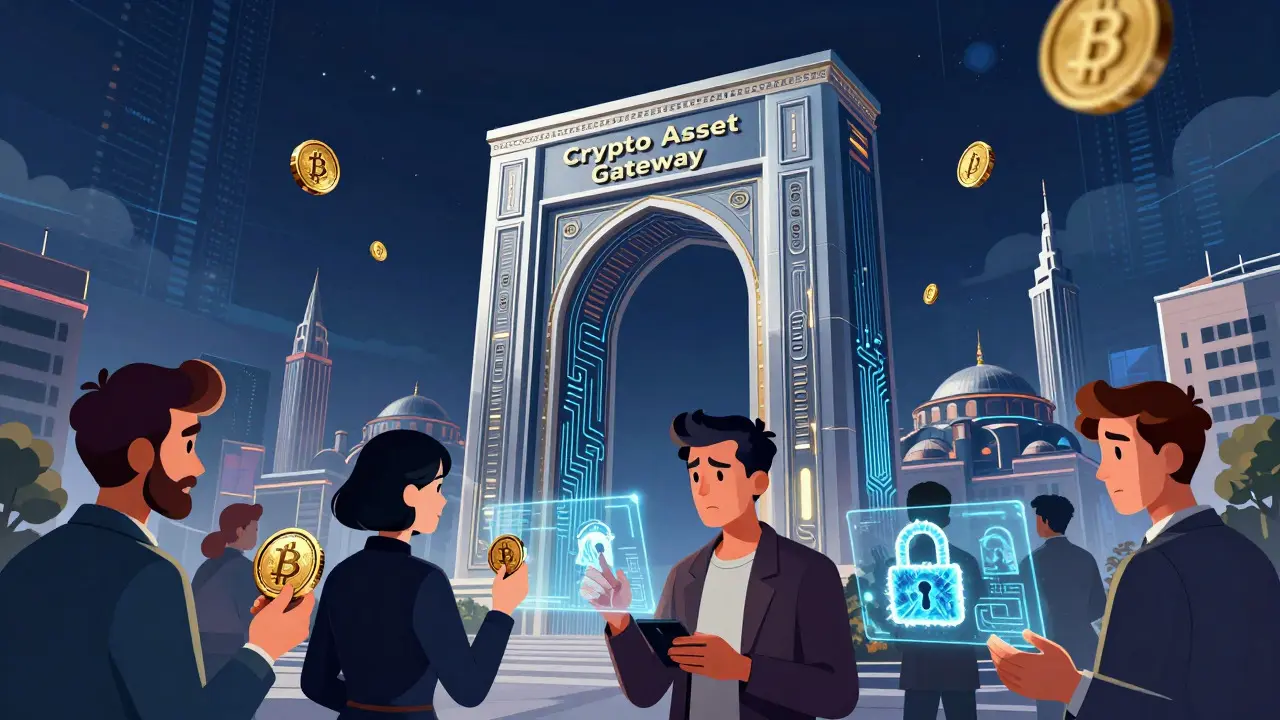
Experts are divided on the future of Turkish crypto regulation. Dr. Ayşenur Acar from Ankara University suggests that the current paradox will drive further innovation in circumvention methods. Meanwhile, the CMB plans to launch a 'Crypto Asset Gateway' system by mid-2026, aiming to centralize all on-ramps while maintaining the payment ban. This could streamline compliant trading but might push more activity into the shadow tier. For now, the market shows remarkable resilience, with volumes projected to reach $102 billion in 2025. Whether you are a casual investor or a seasoned trader, the key is diversification. Don't rely on a single channel. Understand the tools available, respect the risks, and keep your digital assets secure. The Turkish crypto market is a testament to human adaptability, proving that even with restrictions, opportunity finds a way.
Is it illegal to trade crypto in Turkey?
No, trading and holding crypto is legal. Only using it for payments is banned. You must use licensed exchanges for large transactions to comply with AML regulations.
What is the transaction limit on licensed exchanges?
Transactions exceeding 15,000 Turkish lira require full identity verification (KYC). Below this amount, processes are generally smoother and faster.
Can I use a VPN to access banned exchanges?
Yes, many users use VPNs to access international platforms. However, ensure the platform accepts your jurisdiction and be aware of potential tax implications.
How do I access DeFi protocols if DEXs are banned?
You can use wallets like MetaMask to connect to non-Turkish RPC endpoints, allowing direct interaction with smart contracts without going through a centralized interface.
What happens if my account is frozen by MASAK?
Freezes usually happen for suspicious activity or threshold breaches. Resolution typically takes 14-30 days via formal appeals. Keeping clear records helps speed up the process.