Position Exchange Times Square Airdrop: Scam Alert & Safety Guide
 Jun, 13 2026
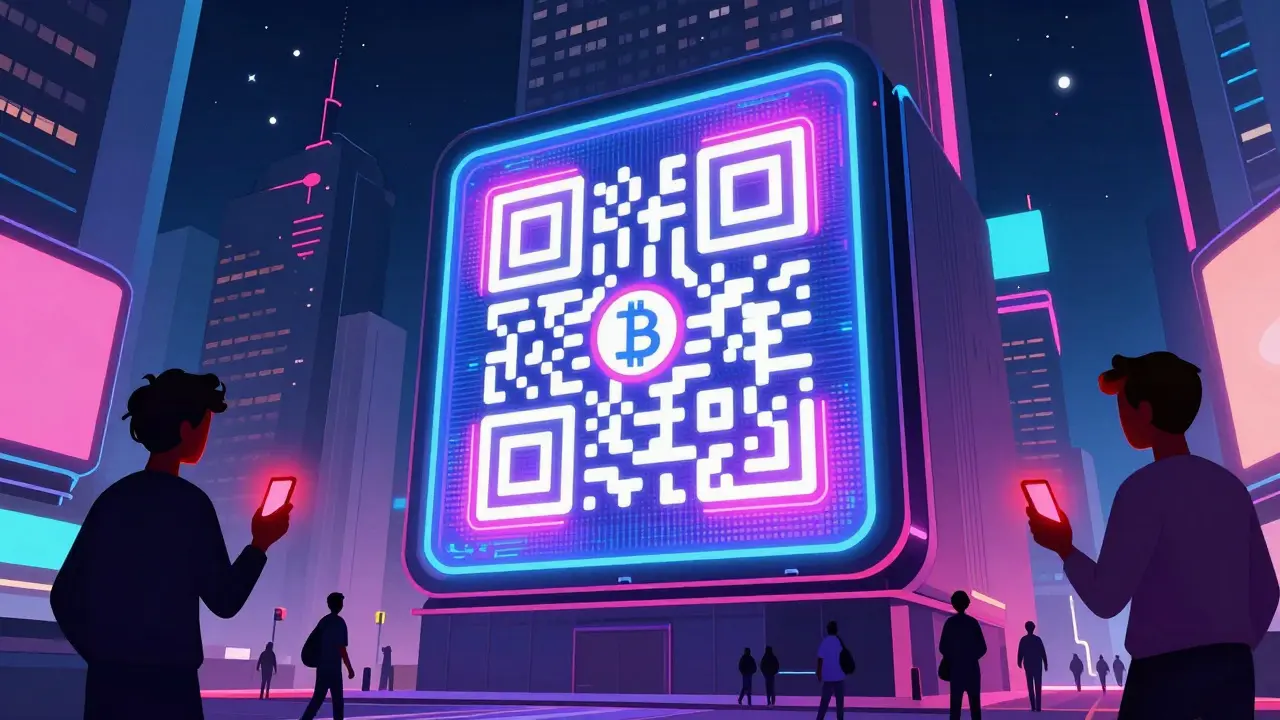
Did you see that post on social media claiming Position Exchange is giving away free tokens via a New York Times Square billboard? If you clicked the link or scanned the QR code, stop right now. This isn't a legitimate marketing stunt. It is a verified scam designed to steal your cryptocurrency.
The internet is flooded with flashy images of massive digital screens in Manhattan displaying logos for obscure crypto projects. The promise is always the same: scan this code, connect your wallet, and claim your free airdrop. But behind these glossy graphics lies a coordinated fraud operation that has already cost thousands of people their savings. Let's break down exactly how this works, why it’s technically impossible for billboards to distribute tokens directly, and how you can protect yourself from losing everything.
Why the Position Exchange Billboard Claim Is Fake
You might be wondering if there’s any truth to the hype. Maybe a new exchange really did buy prime ad space in the world’s most famous intersection. The short answer is no. As of mid-2026, there is zero evidence that an entity called "Position Exchange" exists as a legitimate financial institution. There are no regulatory filings with the SEC or CFTC. The domain name associated with the project resolves to a parked page, not a functioning exchange platform.
Times Square billboard advertising is a real, multi-billion dollar industry. Companies like Disney, Nike, and major banks spend hundreds of thousands of dollars daily to reach the millions of tourists who walk through Midtown Manhattan. However, legitimate companies do not use these screens to distribute cryptocurrency wallets or tokens. The hardware used in Times Square-typically large-scale LED displays from manufacturers like Daktronics or Watchfire-is designed for visual impact only. These screens do not have NFC chips, Bluetooth connectivity, or blockchain integration capabilities. They cannot interact with your phone’s wallet app directly.
When you see a photo of a billboard with a QR code promising an airdrop, you are looking at a digital fabrication. Fraudsters create these images using Photoshop or AI tools. They then post them on TikTok, Instagram, and X (formerly Twitter) with hashtags like #CryptoAirdrop and #FreeMoney. The goal isn’t to advertise a product; it’s to trick you into visiting a malicious website.
Is Position Exchange a real company?
No. There are no records of Position Exchange being registered with any financial regulatory body. The domain is inactive, and blockchain explorers show no legitimate transaction history linked to the name.
How the Scam Actually Works
Understanding the mechanics of the scam helps you spot the red flags before you lose money. Here is the typical playbook used by these fraudsters:
- The Hook: You encounter a viral post showing a fake Times Square billboard. The caption claims that scanning the QR code will instantly send you $500 worth of POSI tokens.
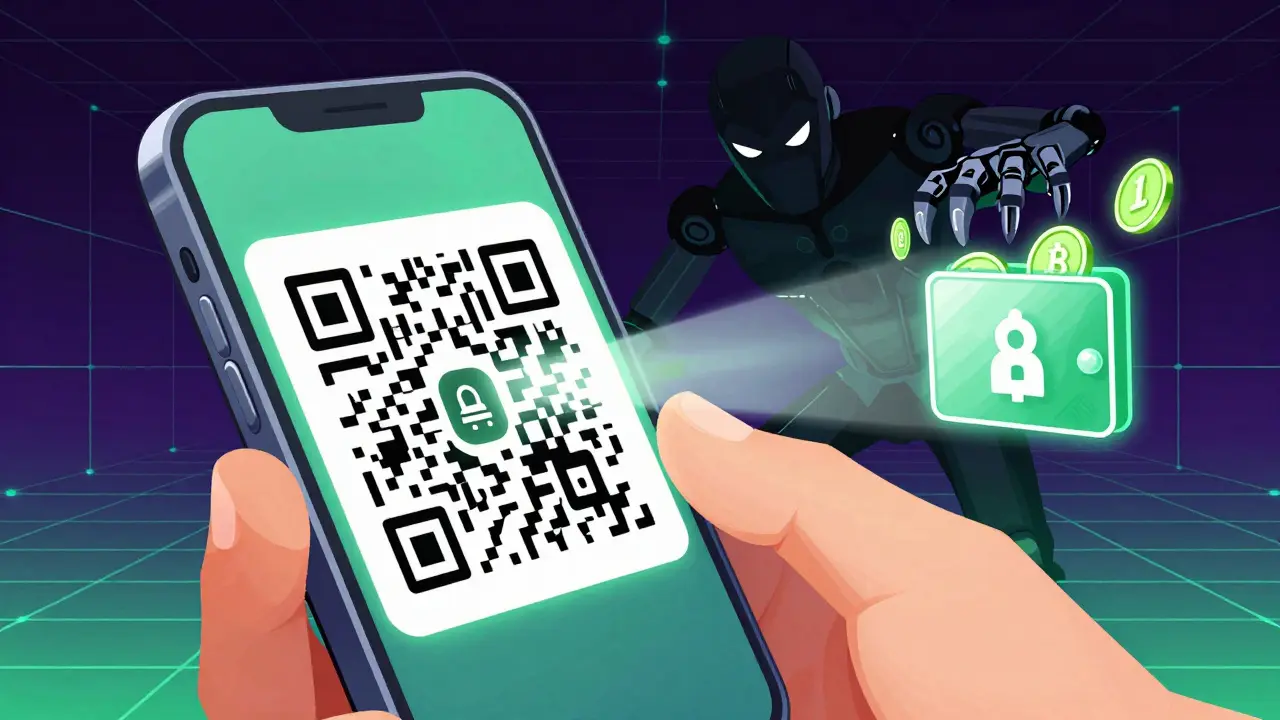
- The Trap: You scan the code with your smartphone camera. This opens a web browser to a site that looks professional but is hosted on a suspicious domain.
- The Request: The site asks you to "connect your wallet" to verify eligibility. It may also ask for your email address or phone number.
- The Theft: Once you click "Connect," the site triggers a smart contract interaction. Instead of sending you tokens, it drains the funds currently in your wallet. In more sophisticated versions, it steals your seed phrase if you type it in manually.
This method relies on urgency and greed. You feel like you’re missing out on a limited-time opportunity. The scammers count on you skipping the due diligence step. According to data from the Blockchain Transparency Institute, over 142 similar billboard-themed scams were documented in late 2025 alone, resulting in average losses of nearly $2,000 per victim.
Red Flags to Spot Before You Click
You don’t need to be a cybersecurity expert to identify these threats. Look for these common signs that an airdrop is fraudulent:
- Unverified Sources: The announcement comes from a random social media account with few followers, not from the official channels of a known exchange.
- Too Good to Be True: Legitimate exchanges rarely give away significant value for free without requirements like holding a certain amount of tokens or completing tasks. Free money is never just handed out via a billboard scan.
- Urgency Tactics: Phrases like "Claim now before supply runs out" or "Only 1 hour left" are pressure tactics designed to make you act impulsively.
- Poor Grammar or Design: While some scams look polished, many contain spelling errors, awkward phrasing, or low-resolution images that look pixelated when zoomed in.
- No Regulatory Info: Real financial products disclose risks and compliance details. Scams hide behind vague terms of service.
If you see a QR code on a physical billboard in Times Square, remember: it likely leads to a local business, a tourist attraction, or a major brand campaign. It will never lead to a crypto wallet connection prompt. If you do scan one and end up on a crypto site, close the tab immediately.
Protecting Your Wallet and Funds
Your security depends on good habits. Here are practical steps to keep your assets safe from phishing attempts and malware:
- Use Hardware Wallets: Store your long-term holdings on a device like Ledger or Trezor. These devices require physical confirmation for transactions, making remote draining much harder.
- Never Share Seed Phrases: No legitimate service will ever ask for your 12 or 24-word recovery phrase. If a site asks for it, it is a scam.
- Verify URLs Carefully: Check the domain name closely. Scammers often use slight variations like "position-exchange.com" instead of the real domain. Bookmark official sites and access them directly.
- Enable Two-Factor Authentication (2FA): Use an authenticator app rather than SMS verification for all your accounts. This adds a layer of protection against account takeover.
- Revoke Unnecessary Permissions: Regularly check which websites have access to your wallet using tools like Revoke.cash. Disconnect any apps or sites you don’t recognize or use frequently.
If you suspect you’ve already connected to a malicious site, move your remaining funds to a new wallet with a fresh seed phrase immediately. Do not wait. Time is critical in these situations.
What to Do If You’ve Been Scammed
Making a mistake doesn’t mean you’re helpless. If you believe you’ve fallen victim to the Position Exchange scam or a similar scheme, take these steps:
- Disconnect Immediately: Close the browser tab and disconnect your wallet from the site.
- Transfer Remaining Assets: Move any remaining funds to a secure, new wallet address.
- Report the Incident: File a report with the Internet Crime Complaint Center (IC3) and your local law enforcement agency. Provide screenshots, transaction hashes, and wallet addresses involved.
- Notify Your Exchange: If the stolen funds went to a centralized exchange, contact their support team. While they can’t reverse blockchain transactions, they may freeze the recipient’s account if it’s flagged.
- Warn Others: Share your experience on community forums like Reddit or Discord to help prevent others from falling into the same trap.
While recovering lost crypto is difficult, reporting the crime helps authorities build cases against organized fraud rings. The New York Attorney General’s office has opened investigations into several Times Square-related crypto scams, so your report could contribute to broader legal action.
Legitimate Crypto Marketing vs. Scams
It’s important to distinguish between real marketing efforts and fraudulent schemes. Major exchanges like Coinbase and Binance have advertised in high-profile locations, including Super Bowl commercials and Times Square billboards. However, these campaigns focus on brand awareness, not direct token distribution.
Legitimate airdrops happen through official channels. Projects announce them on their verified Twitter accounts, Discord servers, and websites. They usually require participants to hold specific tokens, complete social tasks, or join testnets. The process is transparent, with clear rules and timelines published in advance. You will never need to scan a mysterious QR code found on a street sign to claim a reward.
Always cross-reference announcements with multiple trusted sources. If a project claims to be doing something big, check CoinMarketCap, CoinGecko, or reputable news outlets like CoinDesk. If those sources haven’t heard about it, it’s likely fake.
Final Thoughts on Staying Safe
The crypto space moves fast, and scammers adapt quickly. What worked last month might look different today. But the core principles remain the same: skepticism protects you. Question anything that promises easy rewards. Verify every link. Secure your keys. By staying informed and cautious, you can enjoy the benefits of blockchain technology without becoming a victim of fraud.
Remember, if it sounds too good to be true, it almost certainly is. Keep your wallet private, your connections minimal, and your curiosity checked. Your financial safety is worth more than any hypothetical free token.
Can I get my money back if I was scammed by Position Exchange?
Recovering stolen cryptocurrency is extremely difficult because blockchain transactions are irreversible. However, if the funds were sent to a centralized exchange, reporting the incident may lead to account freezes. Always report crimes to IC3 and local authorities to aid investigations.
Are all Times Square billboard ads scams?
No. Times Square hosts thousands of legitimate advertisements for brands, movies, and events. The scam involves fake images of billboards posted online, not actual physical ads. Real billboards do not offer crypto airdrops via QR codes.
How do I know if a crypto airdrop is legitimate?
Legitimate airdrops are announced on official project channels, require verifiable actions like holding tokens, and never ask for your seed phrase. Always check independent sources like CoinMarketCap or trusted news outlets for confirmation.
What should I do if I accidentally connected my wallet to a scam site?
Immediately disconnect your wallet, transfer any remaining funds to a new secure wallet, and revoke permissions using tools like Revoke.cash. Monitor your old wallet for unusual activity and consider filing a police report.
Is it safe to scan QR codes from public places?
Generally yes, if they come from trusted businesses. However, avoid scanning codes related to financial transactions or crypto offers unless you can verify the source independently. Public QR codes can be replaced with malicious ones by bad actors.