Real-World Asset Tokenization: What It Is and How It’s Changing Crypto
When you hear real-world asset tokenization, the process of turning physical assets like property, art, or commodities into digital tokens on a blockchain. Also known as RWA tokenization, it lets you own a piece of something tangible—like a fraction of a building or a barrel of oil—without needing to buy the whole thing. This isn’t science fiction. It’s happening right now, and it’s changing how people think about ownership, liquidity, and access to wealth.
Tokenization connects blockchain’s transparency with real assets that have stood the test of time. Think of it like this: instead of buying an entire apartment, you buy 0.5% of it as a token. That token is recorded on a blockchain, so you can prove you own it, sell it, or even use it as collateral—all without paperwork or middlemen. This opens doors for people who can’t afford $500,000 homes but can afford $500 worth of tokenized real estate. It also lets small investors get exposure to gold, fine art, or farmland without the storage costs or legal headaches.
But tokenization doesn’t work alone. It needs blockchain asset ownership, the ability to securely prove and transfer ownership of digital representations of physical assets to be trustworthy. And it relies on tokenized assets, the actual digital tokens that represent real-world value, issued and managed through smart contracts that automate rules like dividends, transfers, or compliance checks. Without these pieces, you’re just trading digital files—no different from a screenshot of a deed.
Some projects try to tokenize art or luxury watches, but the real action is in real estate, commodities, and even government bonds. Countries and institutions are testing tokenized treasury bonds because they’re faster, cheaper, and more accessible than traditional markets. Meanwhile, platforms are letting people invest in farmland in Texas or rental income from apartments in Berlin—all through a smartphone app.
But here’s the catch: not every project calling itself "RWA" is legitimate. Some are just slapping the term on a token with no real asset backing. That’s why you need to look beyond the hype. What’s the asset? Who’s holding it? Is it audited? Is the legal framework clear? The posts below cut through the noise. You’ll find real examples of tokenized assets that actually work, projects that failed because they skipped the basics, and tools that help you verify what’s real versus what’s just a fancy name.
Whether you’re curious about how your next investment could be a fraction of a building, or you’re trying to spot the next big shift in crypto, this collection gives you the facts—not the fluff. You’ll see what’s working, what’s falling apart, and what you need to know before you put money into anything labeled "tokenized."
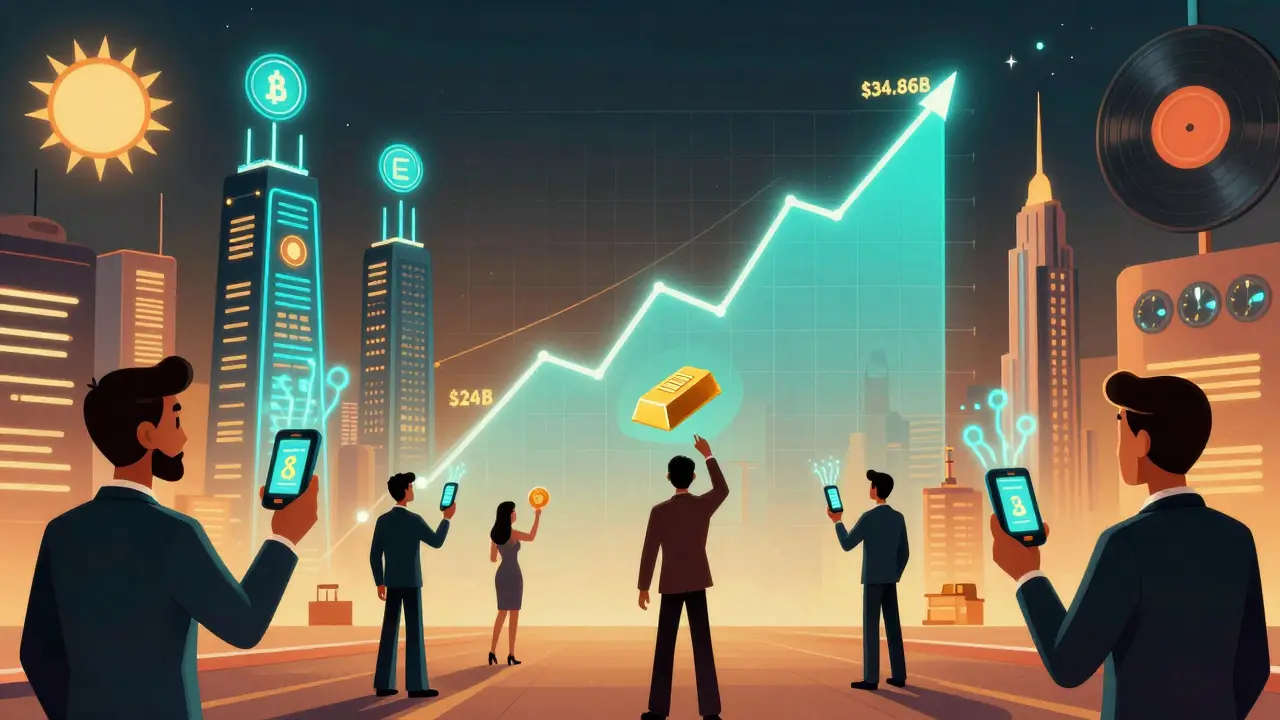
The RWA tokenization market hit $34.86 billion in October 2025, driven by institutional adoption of tokenized Treasuries, private credit, and gold. Growth is accelerating as regulation catches up and fractional ownership transforms access to traditional assets.
More
In 2025, tokenomics design is evolving beyond speculation into regulated, utility-driven economic systems that tie digital tokens to real-world assets, DeFi, and sustainable governance. This is no longer just crypto-it’s the future of finance.
More