The Truth About the 12-Year Jail Sentence for Crypto in Bangladesh
 Jun, 4 2026
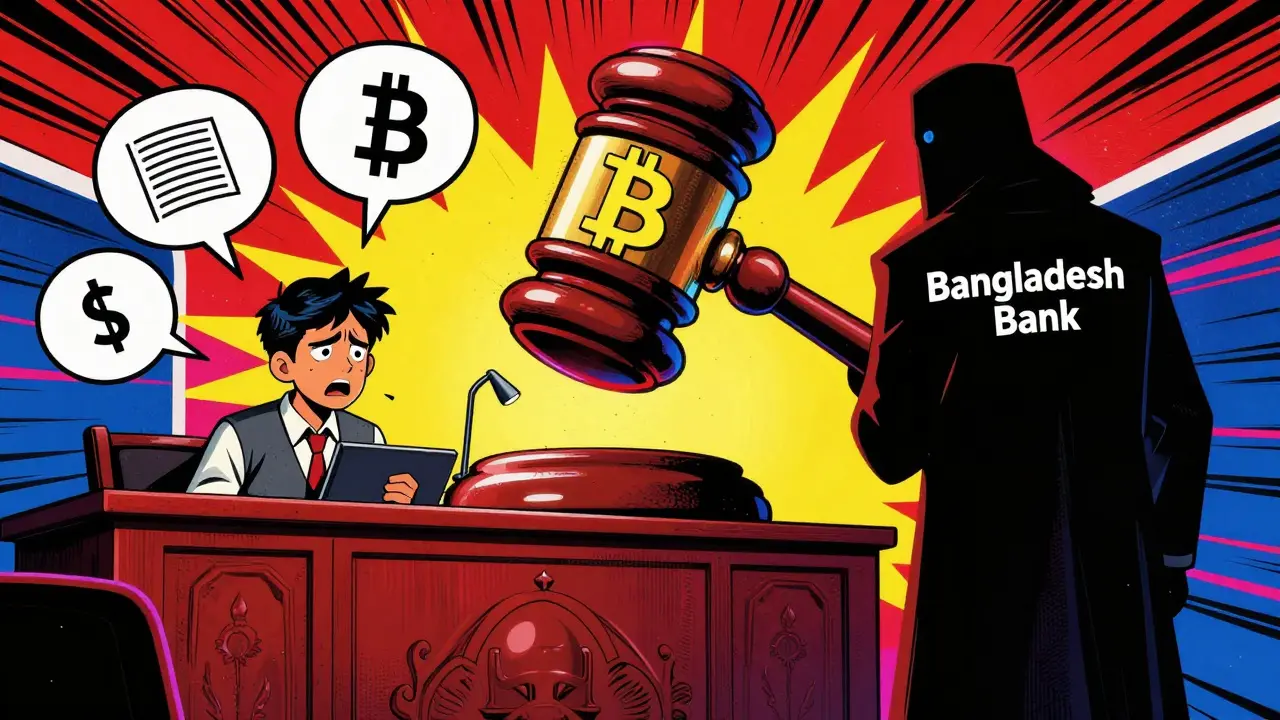
You’ve probably seen the headlines. They scream about a 12-year imprisonment for anyone caught trading cryptocurrency in Bangladesh. It sounds terrifying, doesn’t it? One wrong click on an exchange app and you’re looking at over a decade behind bars. But here is the reality check that most sensationalist articles skip: no one has actually been sentenced to 12 years specifically for buying Bitcoin or Ethereum.
The story of this harsh penalty is a mix of real legal statutes, aggressive warnings from regulators, and significant media exaggeration. To understand where you stand as a resident or business owner in Bangladesh, we need to separate the fear-mongering from the actual legal framework established by Bangladesh Bank and the parliament.
Where Does the "12 Years" Figure Come From?
To find the source of this specific number, we have to look back to September 2014. This was when Bangladesh Bank, the country’s central bank, issued its first official cautionary notice regarding Bitcoin. At the time, news reports claimed that bank officials told journalists that violations could result in sentences of up to 12 years.
However, if you dig into the actual law they referenced, the math gets messy. The officials were pointing to Section 9(1) of the Money Laundering Prevention Act 2012. This section states that whoever commits money laundering faces rigorous imprisonment for a term not less than one year but which may extend to 10 years, plus a fine. Where did the extra two years come from? Legal experts suggest that officials extrapolated the maximums or combined penalties with other statutes during public statements, creating a rounded-up figure that stuck in the public consciousness.
By December 2017, the central bank issued a second notice. This time, they added the Anti-Terrorism Act 2009 to the list of applicable laws. They reiterated that transactions involving Bitcoin, Ethereum, Ripple, and Litecoin were punishable offenses. Yet, even with these expanded warnings, the notices themselves did not create new criminal laws; they merely warned that using crypto might violate existing ones.
The Three Pillars of Legal Risk
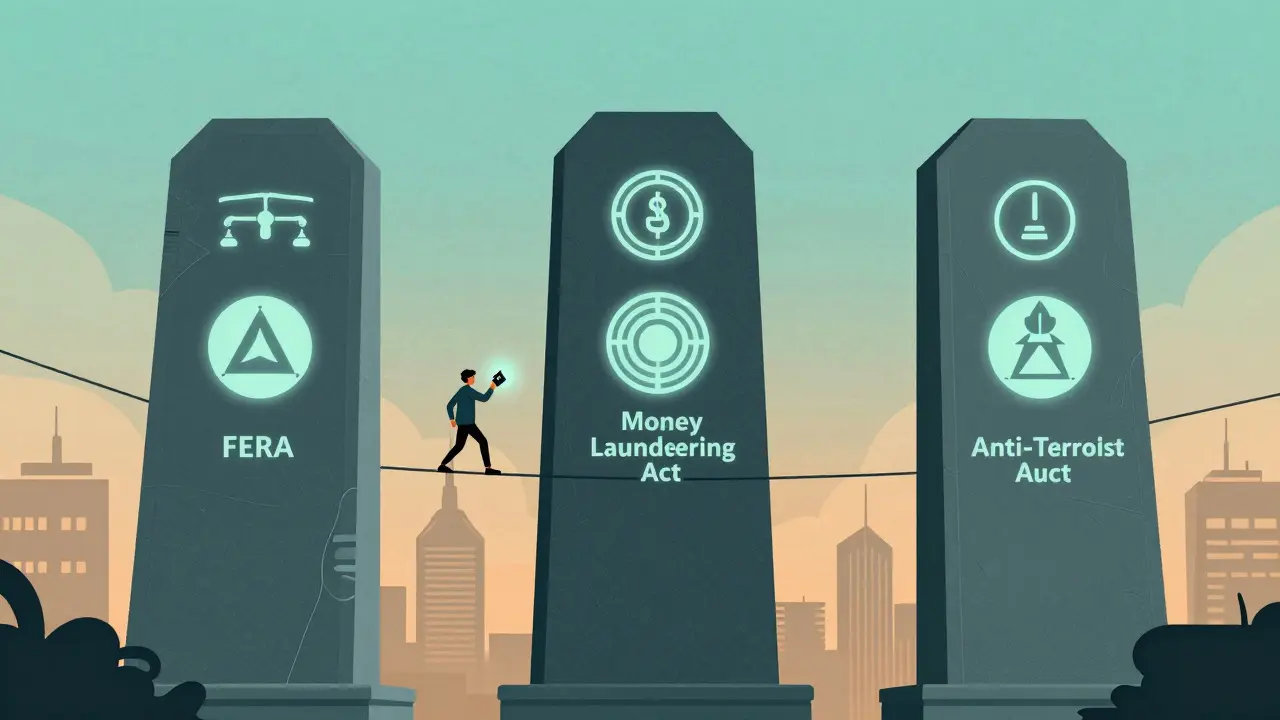
When lawyers analyze the situation, they don't point to a single "Crypto Ban Law." Instead, they look at three primary statutes that Bangladesh Bank uses to justify its restrictive stance. Understanding these helps clarify why the risk exists, even if the 12-year sentence is unlikely for simple trading.
| Statute | Key Provision | Potential Penalty |
|---|---|---|
| Foreign Exchange Regulation Act 1947 (FERA) | Section 3 requires all foreign exchange transactions to go through authorized dealers. | Up to 2 years for first offense; up to 5 years for subsequent violations under Section 14. |
| Money Laundering Prevention Act 2012 | Section 2(17) amended in 2015 to include "virtual assets." Using them to hide illicit funds is illegal. | 1 to 10 years imprisonment plus fines (Section 9). The "12 years" claim stems from extrapolations of this act. |
| Anti-Terrorism Act 2009 | Added in 2017 notices to cover financing of terrorism via untraceable assets. | Severe penalties depending on the scale of funding, potentially life imprisonment for major offenses. |
The core argument from Bangladesh Bank is that because cryptocurrencies are not recognized as legal tender, moving money out of the country or exchanging Taka for crypto violates FERA. If authorities believe you are using crypto to move black money or launder proceeds from crime, then the Money Laundering Act kicks in. That is where the heavy prison terms apply-not for the act of holding Bitcoin itself, but for the alleged financial crime attached to it.
Is Owning Crypto Actually Illegal?
This is the question that keeps many investors awake at night. The short answer is complicated. There is no specific law in Bangladesh that says "It is a crime to own Bitcoin." However, there is also no law that says it is legal.
Legal firms like Mahbub & Company have argued since 2021 that the regulator has fallen short of outright banning or criminalizing the use of Bitcoin unless it is used to commit an existing offense. Think of it like cash. Holding cash isn’t illegal. But if you use cash to bribe an official or buy drugs, you go to jail. Similarly, legal experts argue that using regular currency to commit crimes under the same acts would be similarly punishable. Therefore, while Bitcoin itself isn’t illegal, its use to circumvent financial regulations is treated as a violation.
Despite this nuanced legal view, Bangladesh Bank’s public stance remains uncompromising. In March 2024, the central bank sent directives to all commercial banks reinforcing prohibitions against cryptocurrency transactions. These directives remind banks to block any accounts involved in virtual currency trades. So, while you might not be arrested just for having a wallet on your phone, trying to deposit Taka into a local bank account linked to a crypto exchange will likely get your account frozen.
The Reality of Enforcement: Gray Areas and P2P Growth
If the laws are so strict, why do millions of people still trade? Because enforcement is selective, not systematic. As of 2025, there are no publicly documented cases of individuals receiving 12-year sentences specifically for cryptocurrency trading. The disconnect between policy and practice has created a de facto gray area.
Data tells a different story than the headlines. According to Chainalysis, cryptocurrency transaction volume in Bangladesh saw a 206% year-over-year increase between July 2021 and June 2022. By late 2024, approximately 2.1 million Bangladeshis-about 1.2% of the population-owned some form of cryptocurrency. Much of this activity happens through Peer-to-Peer (P2P) platforms like Binance, where users trade directly with each other using local payment methods, bypassing traditional banking channels entirely.
The Bangladesh Anti-Money Laundering Department’s 2022 annual report filed only 37 cases related to "digital financial crimes," with none identified as resulting in maximum penalty sentences for simple trading. The Cyber Security Division reported 17 cryptocurrency-related cases in 2024, focusing largely on scams, phishing, and large-scale underground operations rather than individual retail traders. This suggests that the government is more concerned with preventing capital flight and money laundering than prosecuting everyday citizens who want to diversify their savings.
Blockchain vs. Cryptocurrency: A Strategic Contradiction
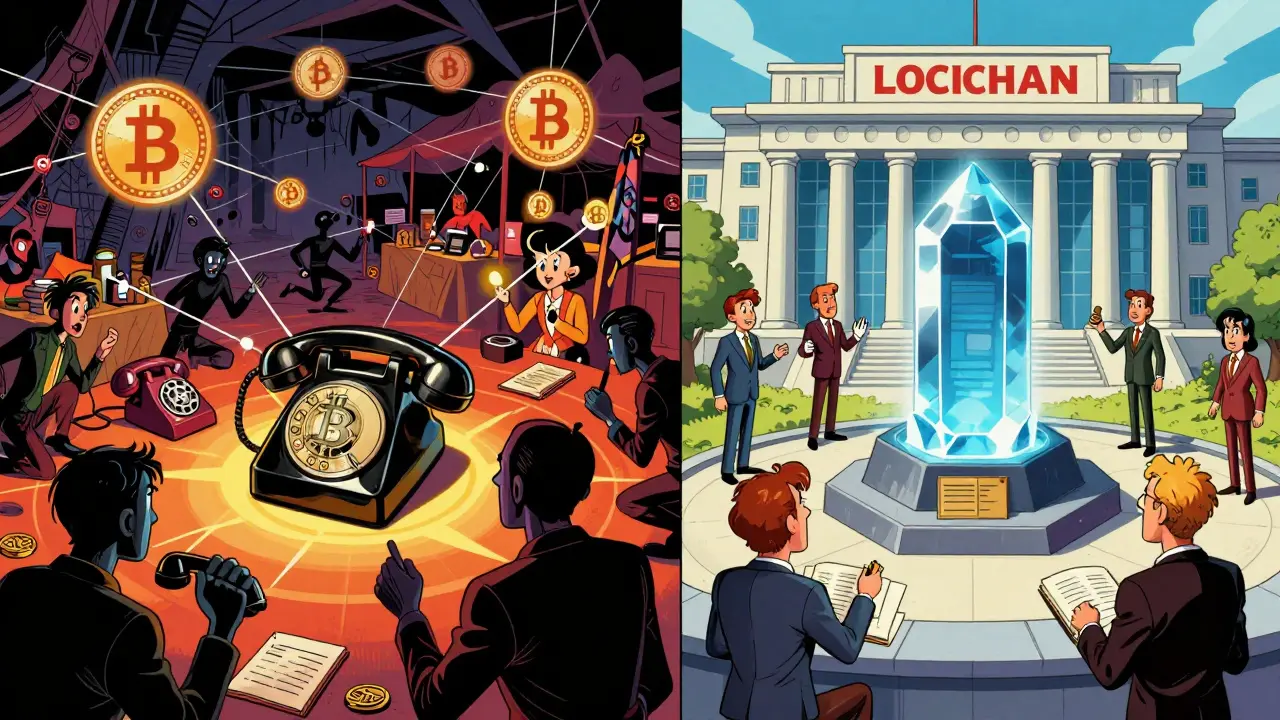
Here is where things get interesting. While Bangladesh Bank hates cryptocurrency, the broader government loves blockchain technology. In 2020, Bangladesh published its National Blockchain Strategy. This document outlines plans to use blockchain for land registration, supply chain management, and digital identity verification.
This creates a bizarre contradiction. The state wants the underlying technology of Bitcoin (the distributed ledger) but rejects the asset itself (Bitcoin). Lightspark’s regulatory analysis in January 2025 described this as a "highly restrictive" environment where the government explores blockchain utility while simultaneously warning the public against virtual currencies. For developers and tech companies, this means opportunities exist in enterprise blockchain solutions, provided they stay far away from issuing tokens or facilitating speculative trading.
Risks You Face Today
Even if you won’t serve 12 years in prison, trading crypto in Bangladesh carries significant risks that you cannot ignore. First, there is the risk of account freezing. If your bank detects transactions linked to known exchanges, they can freeze your funds indefinitely while they investigate for potential FERA violations. Second, there is no consumer protection. If a P2P seller scams you, or if an exchange goes bankrupt, you have no legal recourse in Bangladeshi courts because the activity itself operates in a regulatory vacuum.
Furthermore, the legal landscape is volatile. The Bangladesh Securities and Exchange Commission acknowledged in 2023 that the absence of specific prohibitive legislation creates implementation challenges. This ambiguity means rules can change overnight. What is tolerated today could be aggressively prosecuted tomorrow if political winds shift or if international pressure mounts from bodies like the Financial Action Task Force (FATF), which noted inconsistent AML/CFT standards in Bangladesh in June 2023.
What Should You Do?
If you are considering entering the crypto market while residing in Bangladesh, proceed with extreme caution. Avoid using local bank accounts for direct deposits to exchanges, as this triggers immediate scrutiny under FERA. Many residents use offshore entities or complex P2P networks to mitigate this risk, though these methods carry their own legal uncertainties.
Keep detailed records of all transactions. If you ever face legal inquiry, demonstrating that your activities were personal investment rather than money laundering or terror financing could be crucial in defending yourself under the Money Laundering Prevention Act. Consult with a qualified lawyer specializing in financial law before engaging in high-volume trading. The goal is not to break the law, but to navigate a system where the lines are blurred and the penalties for crossing them are severe.
Can I go to jail for buying Bitcoin in Bangladesh?
While there is no specific law making the mere ownership of Bitcoin illegal, using it can violate the Foreign Exchange Regulation Act and Money Laundering Prevention Act. Simple trading has not resulted in 12-year sentences, but large-scale operations or those linked to illicit funds can lead to imprisonment of up to 10 years under anti-money laundering laws.
Why does Bangladesh Bank say 12 years imprisonment?
The 12-year figure originated from media interpretations of Bangladesh Bank's 2014 warnings. Officials cited the Money Laundering Prevention Act, which allows for up to 10 years imprisonment. The 12-year number likely came from extrapolating maximum penalties across multiple statutes or including fines converted to time, but it is not a precise statutory limit for a single charge.
Is it safe to use Binance P2P in Bangladesh?
Using P2P platforms is common but risky. While it avoids direct bank transfers to exchanges, it still involves moving Taka outside regulated channels. Banks monitor for suspicious patterns, and accounts linked to P2P trades can be frozen. There is no legal protection if you are scammed by a counterparty.
Does Bangladesh allow blockchain technology?
Yes, the government supports blockchain technology for non-financial applications. The National Blockchain Strategy published in 2020 encourages its use for land records, supply chains, and digital IDs. However, this support does not extend to cryptocurrencies or token issuance.
Have any people been arrested for crypto trading recently?
As of 2025, there are no public records of individuals serving long prison terms solely for retail crypto trading. Arrests typically relate to larger crimes such as fraud, money laundering, or operating unlicensed exchanges, rather than individual investors holding assets.