Upbit KYC Violations: What the 500,000 Crypto Compliance Cases Mean for Traders
 Jun, 19 2026
Imagine waking up to find that your digital wallet might be frozen because the exchange you trust failed to check who you really are. That is the reality facing hundreds of thousands of users in South Korea following a massive regulatory crackdown on Upbit, operated by Dunamu Inc.. The Financial Services Commission (FSC) recently revealed that Upbit had approximately 500,000 cases where it violated strict Know Your Customer (KYC) rules. This isn't just a minor paperwork error; it is a systemic failure that has shaken confidence in one of the world's largest cryptocurrency exchanges.
The scale of this issue is staggering. We are talking about the fifth-largest exchange globally, processing billions in daily transactions, yet failing to verify identities properly. For traders, investors, and anyone holding assets on Korean platforms, this story offers critical lessons about risk, regulation, and the true cost of compliance shortcuts. Here is what happened, why it matters, and how it changes the landscape for crypto trading in 2026.
The Core of the Problem: Systemic Verification Failures
To understand the severity, we need to look at what actually went wrong. The investigation, led by the Financial Intelligence Unit (FIU), didn't just find a few missing signatures. It uncovered deep holes in Upbit’s identity verification process. Under South Korea’s Special Financial Transactions Act, exchanges must rigorously confirm user identities to prevent money laundering and fraud. Upbit missed the mark in several specific ways.
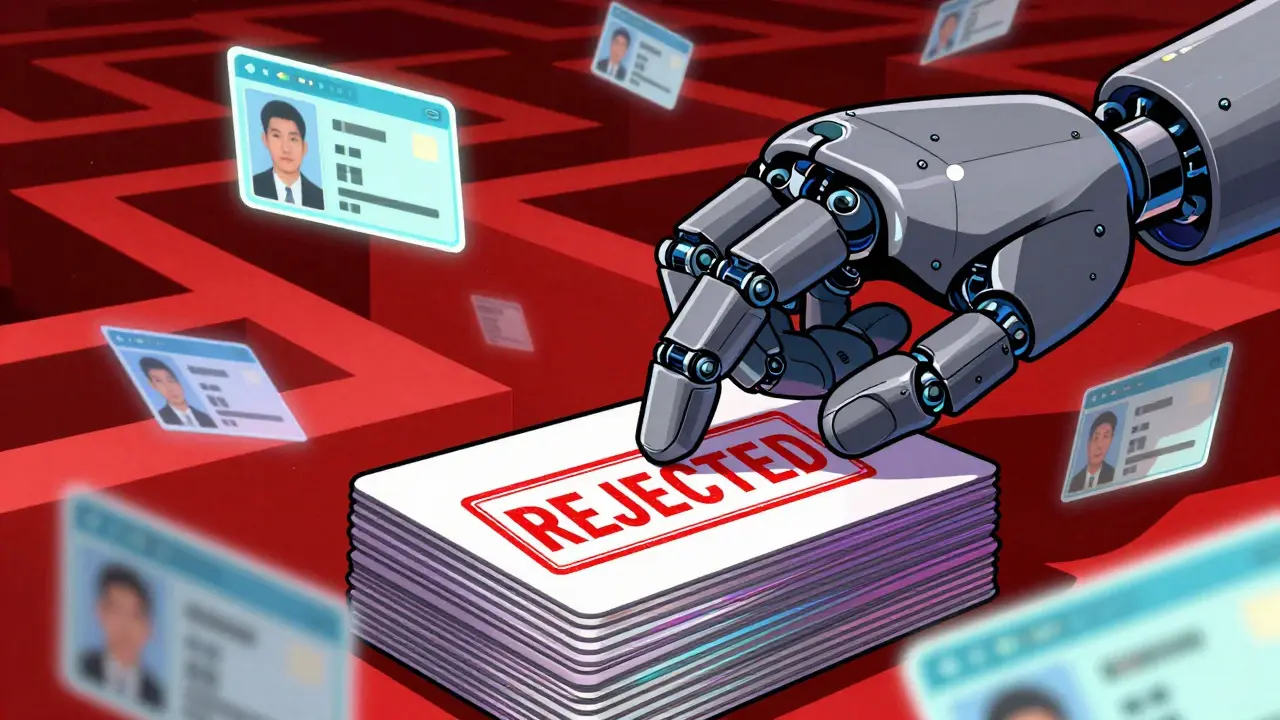
First, let's talk about driving licenses. In nearly 190,000 cases, Upbit accepted driving licenses without verifying their authenticity using the mandatory encrypted serial number system. Essentially, they looked at the name and photo but ignored the digital security features that prove the card is real. This makes it incredibly easy for bad actors to use fake IDs to open accounts.
Second, there was a massive gap in re-verification processes. When regulations require periodic updates to user information, Upbit failed to collect official identification documents in over 9 million instances. Imagine updating your profile online without uploading a new ID or selfie. That is what happened here. Without these checks, dormant accounts could be taken over by criminals, or existing users could hide illicit activities under the guise of verified profiles.
Third, the acceptance of poor-quality documentation was widespread. Users submitted photocopied IDs instead of originals, or images where key details were blurred or obscured. In many cases, Upbit approved these registrations anyway. This lack of scrutiny directly violates the core principle of KYC: ensuring the person behind the account is who they say they are.
| Violation Type | Estimated Cases | Risk Implication |
|---|---|---|
| Unverified Driving Licenses | ~190,000 | High risk of identity theft and fake accounts |
| Missing Re-verification Docs | ~9,000,000 | Inability to track long-term user integrity |
| Transactions with Unregistered Exchanges | ~45,000 | Direct violation of financial transaction reporting laws |
| Poor Quality ID Submissions | Part of 500k total | Acceptance of photocopies/blurred images |
Why This Case Is Different from Past Scandals
You might remember other crypto scandals, like Binance’s $4.3 billion settlement in the US or various hacks involving lost funds. But the Upbit case is unique because it targets the foundational layer of trust: identity. Most previous fines focused on market manipulation or tax evasion. This enforcement action focuses on the gatekeeping function of the exchange itself.
The sheer volume-500,000+ primary KYC breaches-is unprecedented in a single jurisdiction. While global exchanges have faced criticism, South Korea’s approach has been particularly aggressive in recent years. The government wants to position Seoul as a hub for legitimate fintech innovation, which means zero tolerance for sloppy compliance. The potential theoretical fine of up to 100 million Korean won per violation suggests a penalty that could reach billions of dollars, though negotiated settlements usually result in lower figures. Even so, the reputational damage is severe.
This case also highlights a shift in regulatory strategy. Instead of waiting for a hack or a collapse, regulators are now conducting proactive audits during license renewals. Upbit’s license renewal review in late 2024 triggered this discovery. This means every major exchange in Korea, and potentially other regions adopting similar models, is now under a microscope. The era of "move fast and break things" is officially over for licensed crypto platforms.
Impact on Users: Security Concerns and Market Shifts
If you are a trader on Upbit or similar platforms, your immediate question is likely: "Is my money safe?" The answer is nuanced. The violations themselves do not mean your funds have been stolen. However, they indicate that the platform’s defenses against unauthorized access and fraudulent activity were weaker than advertised. If bad actors can create fake accounts easily, they can also potentially exploit those accounts to wash dirty money through your trades, complicating any future legal inquiries into your own transactions.
We have already seen behavioral shifts in the market. Social media sentiment analysis shows a spike in anxiety among Korean crypto users. Many are moving funds to alternative domestic exchanges like Bithumb or exploring international platforms with different regulatory frameworks. This exodus creates liquidity issues, which can lead to wider price spreads and slippage on Upbit, affecting trade execution for everyone remaining on the platform.
Furthermore, the proposed six-month suspension of new user registrations is a significant operational blow. While existing users can still trade, the inability to onboard new customers halts growth and reduces fee revenue. For an exchange controlling an estimated 80% of the domestic market, this stagnation is painful. Competitors are quick to capitalize on this, marketing their stricter compliance records as a safety feature.

The Legal Battle: Dunamu Fights Back
Dunamu, the parent company of Upbit, has not gone quietly. They have filed a lawsuit to challenge the business sanctions, arguing that the penalties are disproportionate and that their overall security record remains strong. This legal battle will likely drag on for months, creating uncertainty for investors.
The critical date to watch was January 2025, when Upbit had to respond to the suspension notice. Since then, negotiations have continued. Regulators often prefer settlements that ensure future compliance rather than crippling fines that destroy a major market player. A complete shutdown of Upbit would cause chaos in the Korean crypto market, given its dominance. Therefore, the most likely outcome is a substantial fine combined with mandatory operational changes, such as hiring third-party auditors and implementing automated identity verification software.
Legal experts note that this case sets a dangerous precedent if upheld strictly. It signals that regulators can retroactively punish exchanges for past procedural lapses, even if no actual crime occurred during those specific transactions. This forces all exchanges to maintain perfect historical records, increasing operational costs significantly.
What This Means for the Future of Crypto Compliance
The Upbit saga is a wake-up call for the entire industry. It demonstrates that manual or semi-automated KYC processes are no longer sufficient. Exchanges must invest in advanced document authentication technologies, including biometric liveness detection and blockchain-based identity verification systems. These tools can instantly verify the authenticity of IDs and detect deepfakes or photos of screens.
For individual traders, the lesson is clear: diversification is essential. Relying on a single exchange, especially one undergoing regulatory turmoil, exposes you to unnecessary risk. Always keep large holdings in cold storage wallets where you control the private keys. Use exchanges primarily for trading, not long-term storage.
Additionally, pay attention to the regulatory health of your platform. Look for transparency reports, audit results, and news regarding compliance. An exchange that ignores KYC rules today may face freezing orders tomorrow. In the maturing crypto market, trust is earned through rigorous adherence to law, not just high trading volumes.
As South Korea solidifies its stance as a leader in digital asset oversight, other jurisdictions are watching closely. The EU’s MiCA regulations and ongoing US SEC actions suggest a global trend toward stricter identity requirements. The Upbit case is not an isolated incident; it is a preview of the standardized, high-compliance environment that will define cryptocurrency trading in the coming decade.
Will I lose my money if Upbit shuts down?
A complete shutdown is unlikely due to Upbit's systemic importance, but a prolonged suspension of services could freeze withdrawals temporarily. To mitigate this risk, consider withdrawing large amounts to personal cold storage wallets. Diversifying across multiple reputable exchanges also reduces dependency on a single platform.
What exactly is a KYC violation?
Know Your Customer (KYC) rules require exchanges to verify the identity of their clients to prevent illegal activities like money laundering. A violation occurs when an exchange fails to properly collect, verify, or store identification documents, such as accepting blurry photos, ignoring security features on IDs, or skipping re-verification steps.
How does this affect other crypto exchanges in Korea?
This case sets a strict precedent. Other exchanges like Bithumb and Korbit are expected to undergo similar intense audits. Those with robust compliance systems may gain market share as users flee less secure platforms. Expect higher fees and stricter onboarding processes across the board as companies invest in better verification tech.
Can I still trade on Upbit during the investigation?
Existing users can generally continue to trade and withdraw funds, although new user registrations may be suspended. However, regulatory actions can change quickly. Monitor official announcements from Upbit and the Financial Services Commission for any sudden restrictions on deposits or withdrawals.
Is South Korea banning cryptocurrency?
No, South Korea is not banning cryptocurrency. Instead, it is implementing some of the world's strictest regulations to legitimize the industry. The goal is to protect investors and prevent financial crimes, making the market safer for institutional adoption while cracking down on non-compliant operators.