What is SudoSwap (SUDO)? A Deep Dive into the NFT AMM Protocol
 Jul, 22 2026
Imagine trying to sell a rare trading card, but instead of finding a buyer directly, you have to wait for someone who wants that exact card at your exact price. Now imagine if you could just walk up to a vending machine, put in your card, and get cash instantly based on a set formula. That is essentially what SudoSwap attempts to do for digital art and collectibles.
If you have been browsing the crypto space lately, you might have seen the ticker symbol SUDO. But what is it? Is it just another meme coin hoping for a pump, or does it serve a real function in the decentralized finance (DeFi) world? The short answer is that SUDO is the governance token for SudoSwap, a protocol that treats Non-Fungible Tokens (NFTs) like liquid assets rather than static collectibles.
The Core Problem: NFT Liquidity
To understand why SudoSwap exists, we first need to look at how traditional NFT marketplaces work. Platforms like OpenSea or LooksRare operate on an order book model. You list your Bored Ape for 50 ETH. Someone else has to come along, see that listing, and decide to buy it. If no one wants that specific ape at that price, it sits there. This is called illiquidity.
For fungible tokens like Bitcoin or Ethereum, this isn't a problem because every Bitcoin is identical. You can use Automated Market Makers (AMMs) like Uniswap, where algorithms determine prices based on supply and demand pools. But until recently, applying this math to unique items like NFTs seemed impossible. How do you create a pool when every item is different?
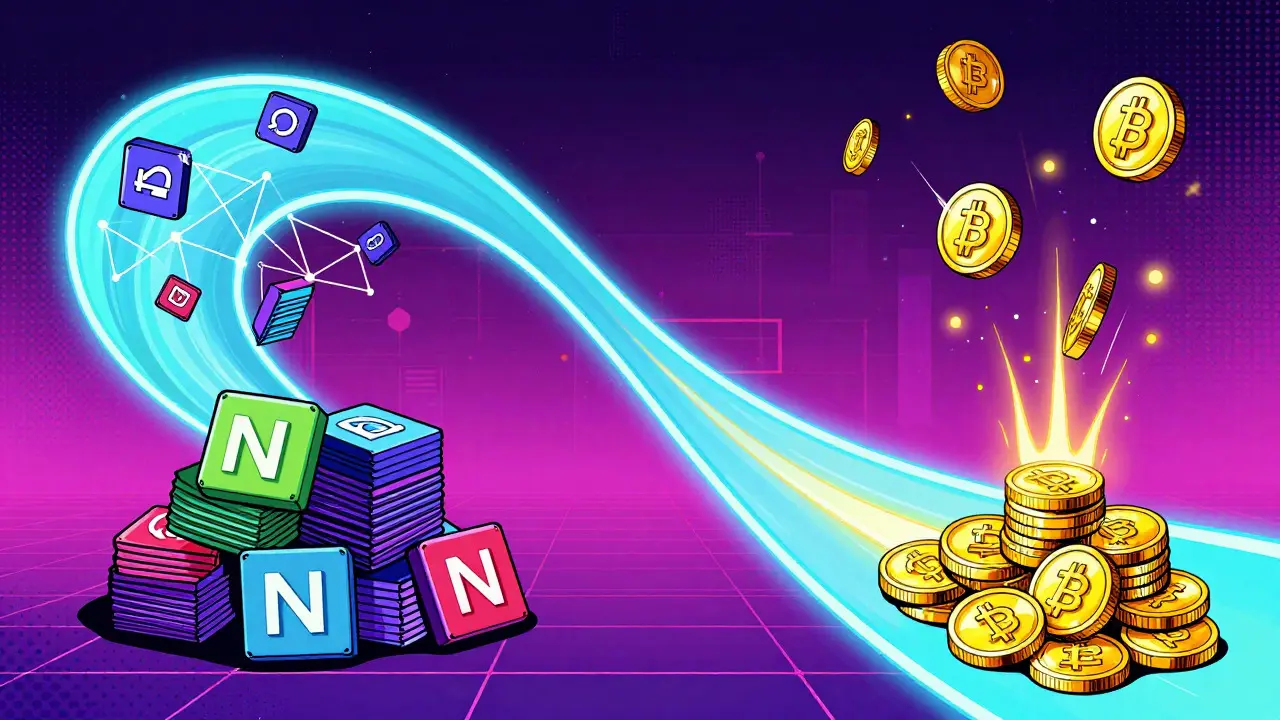
SudoSwap solved this by creating a bonding curve mechanism specifically for NFTs. Instead of matching buyers with sellers, SudoSwap allows liquidity providers to create pools where they deposit NFTs and ETH. Users can then swap into or out of these pools instantly, with the price adjusting automatically based on the number of NFTs remaining in the pool. It turns a marketplace into a vending machine.
How the SUDO Token Fits In
So, what exactly is the SUDO token? It is not used to pay for transactions on the network-that’s still done with ETH for gas fees. Instead, SUDO is a governance token. In decentralized protocols, governance means having a say in how the project evolves. Holders of SUDO can vote on proposals that affect the future of the SudoSwap protocol.
This includes decisions about fee structures, which new NFT collections are prioritized for pools, and how treasury funds are allocated. By holding SUDO, you are essentially buying a stake in the direction of the platform. However, unlike some other DeFi projects, the utility of SUDO is tightly coupled with the success of the underlying NFT trading volume. If people stop using SudoSwap to trade NFTs, the value proposition of the governance token weakens significantly.
The Mechanics: Bonding Curves Explained
Let’s break down the technical side without getting too bogged down in jargon. When a liquidity provider creates a pool on SudoSwap, they define a bonding curve. Think of this as a mathematical formula that dictates the price of an NFT based on how many are left in the pool.
- Initial Price: The provider sets a starting floor price for the NFTs.
- Supply Impact: As users buy NFTs from the pool, the supply decreases, and the price increases according to the curve.
- Reverse Action: If users sell NFTs back into the pool, the supply increases, and the price drops.
This creates continuous liquidity. You don’t need a specific buyer; you just need the pool to exist. For example, if there is a popular pool for a collection like Azuki, a trader can instantly swap their ETH for an Azuki NFT at the current algorithmic price, regardless of whether any human seller is actively watching the screen. This speed and convenience are the main selling points of the protocol.
Pros and Cons of Using SudoSwap
No technology is perfect, and SudoSwap has distinct advantages and drawbacks compared to traditional marketplaces.
| Feature | SudoSwap | OpenSea / LooksRare |
|---|---|---|
| Liquidity Model | Automated (Bonding Curves) | Order Book (Buyer/Seller Match) |
| Speed of Trade | Instant | Dependent on Buyer Availability |
| Creator Fees | None (Removed) | Variable (Often 2.5% - 10%) |
| User Experience | Complex (Requires DeFi Knowledge) | Simple (Click-to-Buy) |
| Price Discovery | Algorithmic | Market-Driven by Listings |
The removal of creator fees was a major talking point when SudoSwap launched in July 2022. By cutting out royalties for artists, traders could keep more of their profit, and liquidity providers earned higher returns. However, this also sparked controversy. Many creators argued that removing royalties devalued their work and hurt the long-term sustainability of the NFT ecosystem. This tension between efficient trading and artist compensation remains a central debate in the industry.
Market Performance and Risks
When looking at the SUDO token from an investment perspective, the data tells a cautious story. As of mid-2026, SUDO trades with relatively low volume compared to major crypto assets. Data from CoinMarketCap shows daily trading volumes often hovering around $12,000 USD, which indicates limited retail interest and high volatility.
Technical analysis from platforms like TradingView has frequently shown bearish signals for SUDO, with indicators suggesting a "strong sell" trend during various periods. This reflects the broader cooling off of the NFT market after the peak bull run of 2021-2022. While SudoSwap pioneered the NFT AMM concept, it has not achieved mainstream dominance. The learning curve for non-technical users remains steep, and the lack of social features or discovery tools makes it less appealing to casual collectors.
Risks also include smart contract vulnerabilities. Like all DeFi protocols, SudoSwap relies on code to hold value. While audits are conducted, the complexity of bonding curves introduces unique risks that traditional order books do not face. Additionally, the reliance on Ethereum means users are subject to gas fees, which can make small-value NFT trades uneconomical during network congestion.

Is SudoSwap Still Relevant?
Despite the lower trading volumes, SudoSwap’s legacy is significant. It proved that NFTs could be treated as liquid assets through AMM mechanics. Other protocols have since adopted similar concepts, integrating bonding curves into broader hybrid marketplaces. The innovation lives on even if the standalone SUDO token struggles to maintain high market capitalization.
For sophisticated traders and liquidity providers, SudoSwap still offers a niche utility. If you hold a large portfolio of a specific NFT collection and want to provide liquidity without managing individual listings, SudoSwap provides a streamlined solution. It empowers collectors to become market makers, earning fees from swaps while holding their assets.
Getting Started with SudoSwap
If you are interested in experimenting with SudoSwap, here is what you need to know before diving in:
- Set Up a Wallet: You will need an Ethereum-compatible wallet like MetaMask. Ensure you have enough ETH to cover gas fees.
- Connect to the Platform: Navigate to the official SudoSwap website and connect your wallet. Always verify the URL to avoid phishing sites.
- Browse Pools: Look for existing liquidity pools for NFT collections you own or are interested in. Check the bonding curve parameters to understand the price impact of your trade.
- Execute Swaps: Select the NFT or ETH amount you wish to swap. Review the estimated output and confirm the transaction in your wallet.
- Consider Governance: If you hold SUDO tokens, check the governance portal to participate in voting on protocol upgrades.
Remember, interacting with DeFi protocols carries risk. Start with small amounts to familiarize yourself with the interface and the mechanics of bonding curves. Unlike centralized exchanges, there is no customer support to reverse a mistaken transaction.
Future Outlook
The future of SudoSwap likely depends on the broader recovery of the NFT market and the integration of its core technology into larger ecosystems. While SUDO may remain a niche asset, the concept of NFT AMMs is now a standard part of the DeFi toolkit. Investors should watch for partnerships or integrations that bring SudoSwap’s liquidity solutions to mainstream platforms, which could reignite interest in the SUDO token.
For now, SudoSwap stands as a testament to the experimental nature of blockchain technology. It solved a hard problem-liquidity for unique assets-and did so with elegant, if complex, mathematics. Whether it becomes a household name or remains a specialized tool for pro traders, its impact on how we think about NFT trading is undeniable.
What is the primary use case for the SUDO token?
The SUDO token is primarily a governance token. It allows holders to vote on proposals that shape the future of the SudoSwap protocol, including fee structures and treasury management. It is not used for paying transaction fees on the Ethereum network.
Does SudoSwap charge creator royalties?
No, SudoSwap notably removed creator fees entirely. This distinguishes it from platforms like OpenSea, which typically charge 2.5% to 10% in royalties. This feature attracted traders looking for higher efficiency but drew criticism from creators concerned about income loss.
How does SudoSwap differ from OpenSea?
OpenSea uses an order book model where buyers and sellers must match manually. SudoSwap uses an Automated Market Maker (AMM) model with bonding curves, allowing for instant swaps against a liquidity pool without needing a direct counterparty. SudoSwap is faster but requires more technical understanding.
Is SUDO a good investment in 2026?
Investing in SUDO carries high risk. The token has low trading volume and has faced bearish technical trends. Its value is tied to the usage of the SudoSwap protocol and the broader NFT market recovery. It is considered a speculative asset suitable only for investors comfortable with high volatility and niche DeFi projects.
Who founded SudoSwap?
SudoSwap was founded by Owen Shen, known in the crypto community by the pseudonym '0xmons'. He launched the protocol in July 2022 to address NFT liquidity fragmentation.
What is a bonding curve in the context of SudoSwap?
A bonding curve is a mathematical formula that determines the price of an NFT based on the supply within a liquidity pool. As NFTs are bought from the pool, the price increases; as they are sold back, the price decreases. This allows for continuous, automated pricing without manual listings.