Terraformer Crypto Exchange Review: Is It Real or a Scam?
 Jun, 2 2026
You’ve probably seen an ad for Terraformer crypto exchange promising insane returns with zero risk. Maybe it was a pop-up on social media, a sponsored post, or a message from someone claiming to be a financial expert. Before you deposit even a single dollar, stop. Take a breath. The most important thing you need to know right now is this: there is no legitimate, established cryptocurrency exchange named "Terraformer" in the market as of mid-2026.
This isn’t just a case of a new platform flying under the radar. A thorough search through regulatory databases, industry reports, and user review sites reveals nothing. No registration records, no security audits, no customer support channels, and no verifiable history. When a platform doesn't exist in public records, that’s not a mystery-it’s a massive red flag. In the world of crypto, if you can’t find who owns it, where it’s regulated, or how it protects your funds, you are likely looking at a sophisticated scam designed to steal your money.
The Confusion: Terraformer vs. Terraform Labs
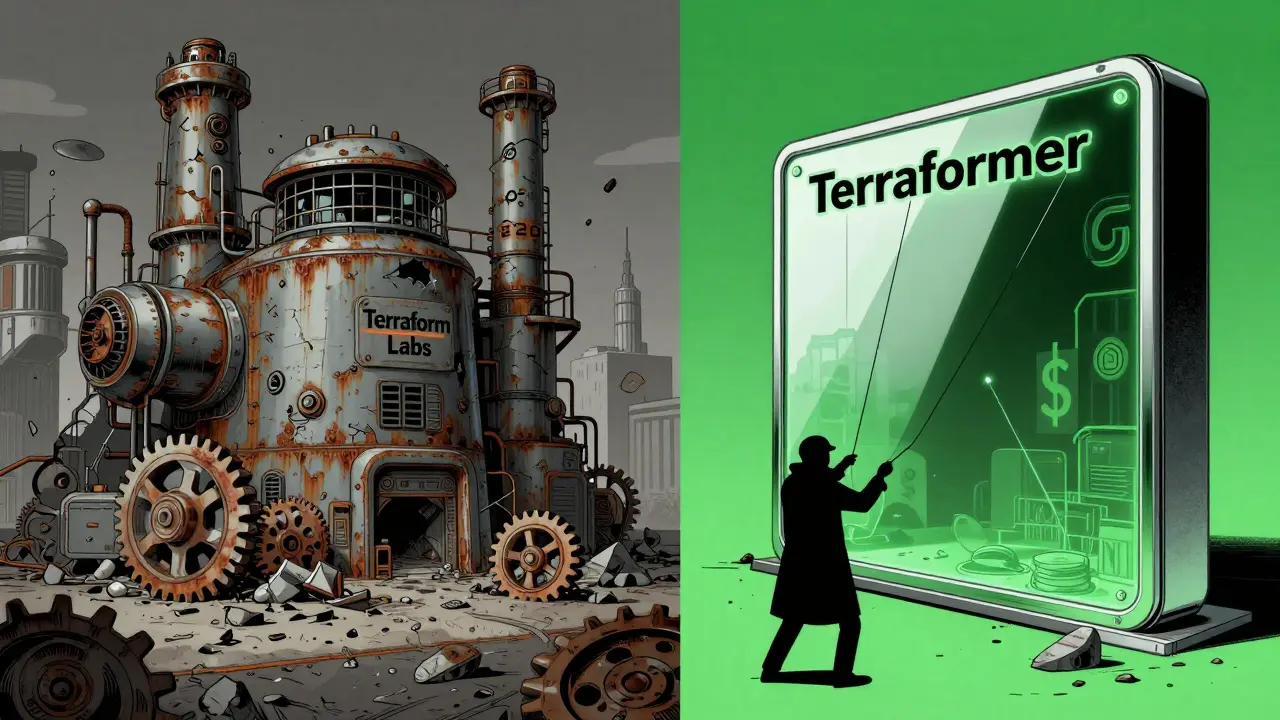
It is easy to see why this name might sound familiar. Many people confuse "Terraformer" with Terraform Labs, which was a blockchain development company founded by Do Kwon and Daniel Shin. Terraform Labs created the Terra blockchain and the LUNA token. However, Terraform Labs was never a centralized exchange where you buy and sell coins like Bitcoin or Ethereum. It was a protocol developer.
More importantly, Terraform Labs collapsed in May 2022 when its algorithmic stablecoin, UST, lost its peg to the US dollar. This event caused billions of dollars in losses for investors and led to criminal investigations against its founders. If you are being asked to sign up for "Terraformer," scammers are likely piggybacking on the name recognition of Terra to lend false credibility to their fraudulent scheme. They hope you won’t notice the difference between a defunct protocol builder and a fake trading platform.
How Fake Exchanges Operate in 2026
The crypto landscape in 2026 has shifted significantly. According to analysis from Pantera Capital, the market is now defined by strict compliance, institutional involvement, and a move away from hype-driven meme coins. Regulators worldwide have tightened their grip. Yet, fraudsters have adapted. Instead of launching obvious scams, they create mirror sites that look professional but lack any real infrastructure.
Here is how these fake exchanges typically work:
- The Hook: You see ads promising guaranteed profits, often featuring celebrity endorsements (which are usually deepfakes or unauthorized use of images).
- The Deposit: You are encouraged to deposit funds via wire transfer or direct crypto transaction to a wallet address. Legitimate exchanges use escrow services or bank integrations; scams want direct, irreversible transfers.
- The Illusion: Once you log in, your dashboard shows your balance growing. These numbers are fake. They are just pixels on a screen controlled by the scammers’ backend code.
- The Trap: When you try to withdraw, you are told you must pay a "tax," "verification fee," or "liquidity fee." If you pay, they ask for more. You will never get your original deposit back.
Red Flags That Signal a Fraudulent Platform
You don’t need to be a cybersecurity expert to spot a fake exchange. Look for these specific warning signs before entering any personal information:
- No Regulatory License: Legitimate exchanges in major markets like the US, EU, UK, or Australia must hold licenses from bodies like the SEC, FCA, or ASIC. Search for the company name on these regulators' websites. If they aren’t listed, stay away.
- Vague Ownership: Who runs the company? A real exchange lists its leadership team with verifiable LinkedIn profiles and public histories. Fake ones use stock photos or generic names like "John Smith."
- Poor Website Quality: Check the URL. Is it a misspelling of a famous brand? Does it use a cheap domain extension like .xyz or .top instead of .com or .io? Are there grammatical errors in the text?
- Pressure Tactics: Do the salespeople push you to act "now" because of a limited-time bonus? Genuine financial institutions do not pressure clients into immediate decisions.
- Lack of Independent Reviews: Search for the exchange name plus "scam" or "review." If the only positive reviews are on their own website or obscure forums with newly registered accounts, it’s a fabrication.
Safe Alternatives for Trading in 2026
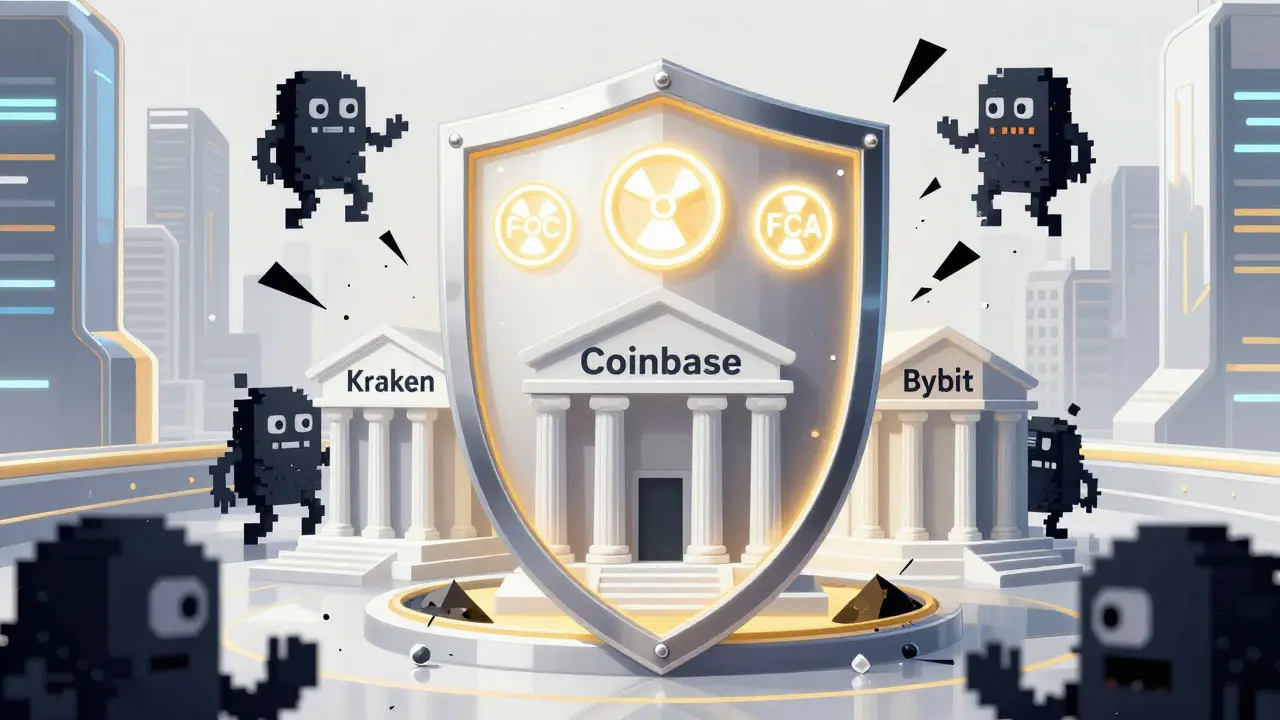
If you are looking to trade cryptocurrency, stick to platforms that have survived the regulatory crackdowns of recent years. Here are three reputable options that offer transparency, security, and competitive fees:
| Exchange | Best For | Fee Structure | Key Feature |
|---|---|---|---|
| Kraken | Security & Transparency | ~25 basis points (maker/taker) | Proven track record since 2011; strong privacy focus. |
| Bybit | Derivatives & Bonuses | Competitive maker/taker fees | Offers up to $30,000 in bonuses for new users in 2026. |
| Coinbase | Beginners & Institutional Access | Higher spread + trading fee | Publicly traded company; supports ETH, SOL, and Base network. |
Note that Coinbase charges higher fees due to its convenience and regulatory compliance costs, but it is a publicly traded entity subject to strict financial reporting. Kraken remains a favorite among serious traders for its lower fees and robust security architecture. Bybit continues to grow in popularity for its advanced trading tools and generous promotional offers for new accounts.
What To Do If You Have Already Deposited
If you have already sent money to a platform called Terraformer or similar, act immediately. Time is critical.
- Contact Your Bank or Wallet Provider: If you used a credit card or bank transfer, call them instantly. Explain that you were defrauded. While recovery is difficult, some banks can freeze transactions if caught early. If you sent crypto directly from a wallet, the transaction is likely irreversible, but report the wallet address to the service provider.
- Report to Authorities: File a report with your local cybercrime unit. In the US, use the FBI’s Internet Crime Complaint Center (IC3). In New Zealand, contact the Police Cyber Crime Unit. Provide all evidence: screenshots, URLs, wallet addresses, and communication logs.
- Change Passwords: If you created an account on the fake site, change passwords for any other accounts where you used the same credentials. Enable two-factor authentication (2FA) everywhere.
- Warn Others: Leave detailed warnings on social media and review sites. Help others avoid the same trap.
Verifying Any Crypto Exchange
Before trusting any platform, perform this simple checklist:
- Check if the company is registered in a known jurisdiction (e.g., Delaware, Cayman Islands, Singapore) with a physical address.
- Look for proof of reserves. Legitimate exchanges publish monthly attestations from independent auditors showing they hold user assets.
- Verify their presence on trusted third-party sites like CoinMarketCap or CoinGecko. If they aren’t listed there, they are likely not a real exchange.
- Read independent news articles about the platform. If the only coverage is from paid press releases, be skeptical.
The crypto market in 2026 rewards patience and diligence. There is no shortcut to wealth. Platforms that promise otherwise are trying to take what you have. Stick to established, regulated exchanges, keep your private keys secure, and never invest more than you can afford to lose.
Is Terraformer crypto exchange legit?
No. As of 2026, there is no verified, regulated cryptocurrency exchange named Terraformer. It is highly likely a scam platform mimicking the name of the defunct Terraform Labs. Avoid depositing funds.
What happened to Terraform Labs?
Terraform Labs collapsed in 2022 after its stablecoin UST failed, causing billions in losses. Its founders face criminal charges. It was a blockchain protocol, not a centralized exchange, and should not be confused with current trading platforms.
How can I tell if a crypto exchange is a scam?
Look for missing regulatory licenses, anonymous ownership, promises of guaranteed high returns, and pressure to deposit quickly. Always check for independent reviews and proof of reserves from auditors.
Which crypto exchanges are safe to use in 2026?
Reputable exchanges include Kraken, Bybit, and Coinbase. These platforms are regulated, transparent about fees, and have large user bases. Always verify current status on official regulator websites.
Can I recover money sent to a fake exchange?
Recovery is difficult but possible if you act fast. Contact your bank immediately to reverse bank transfers. Report the crime to local authorities and provide all transaction details. Crypto transfers are generally irreversible, so prevention is key.
Why do scammers use names like Terraformer?
Scammers use names similar to well-known brands (like Terra) to create a false sense of trust. They rely on victims not checking the exact spelling or regulatory status, hoping confusion leads to deposits.
Does Terraformer have an app?
Any app claiming to be Terraformer is likely malicious. Downloading it could install malware on your device to steal passwords or private keys. Only download apps from official app stores for verified, regulated exchanges.