Category: Finance & Regulation - Page 2
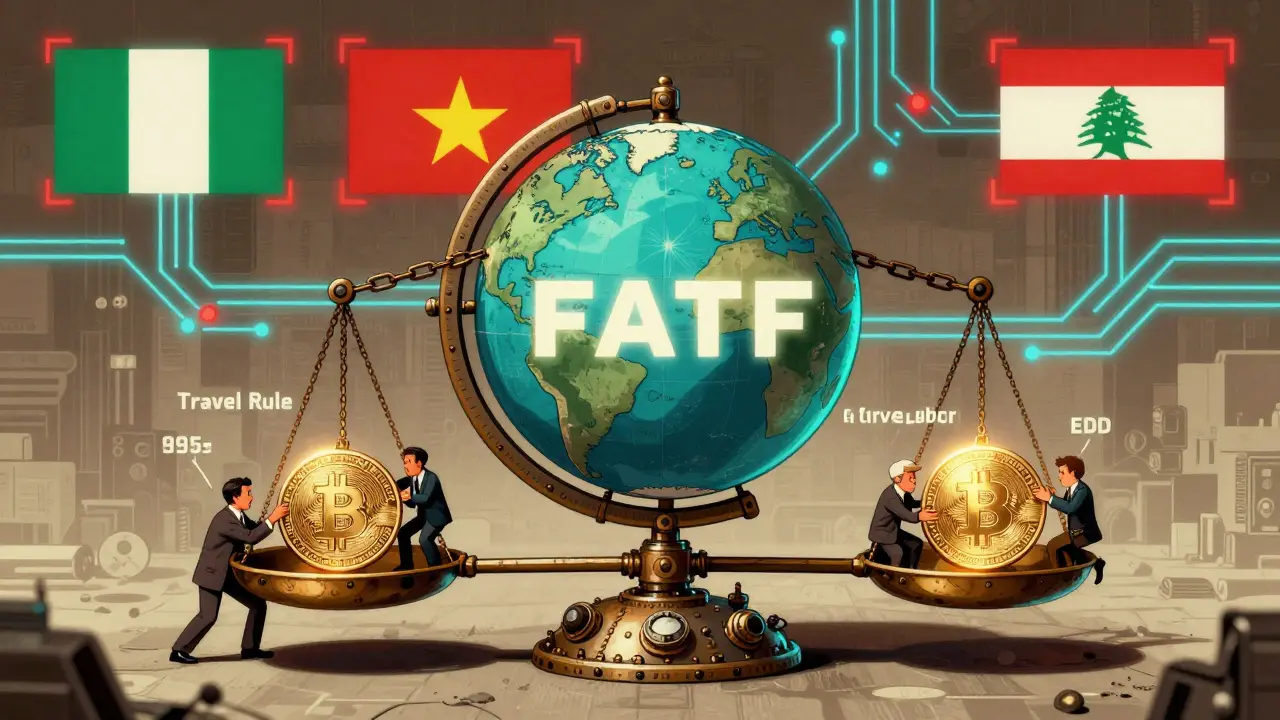
FATF greylist countries face strict crypto restrictions as global regulators crack down on money laundering risks. Learn how Nigeria, Vietnam, Lebanon, and others are impacted-and what crypto businesses must do to stay compliant.
More
Starting in 2026, 67 countries will automatically share your crypto transaction data with your home tax authority. Here's how CARF works, who it affects, and what you need to do now to stay compliant.
More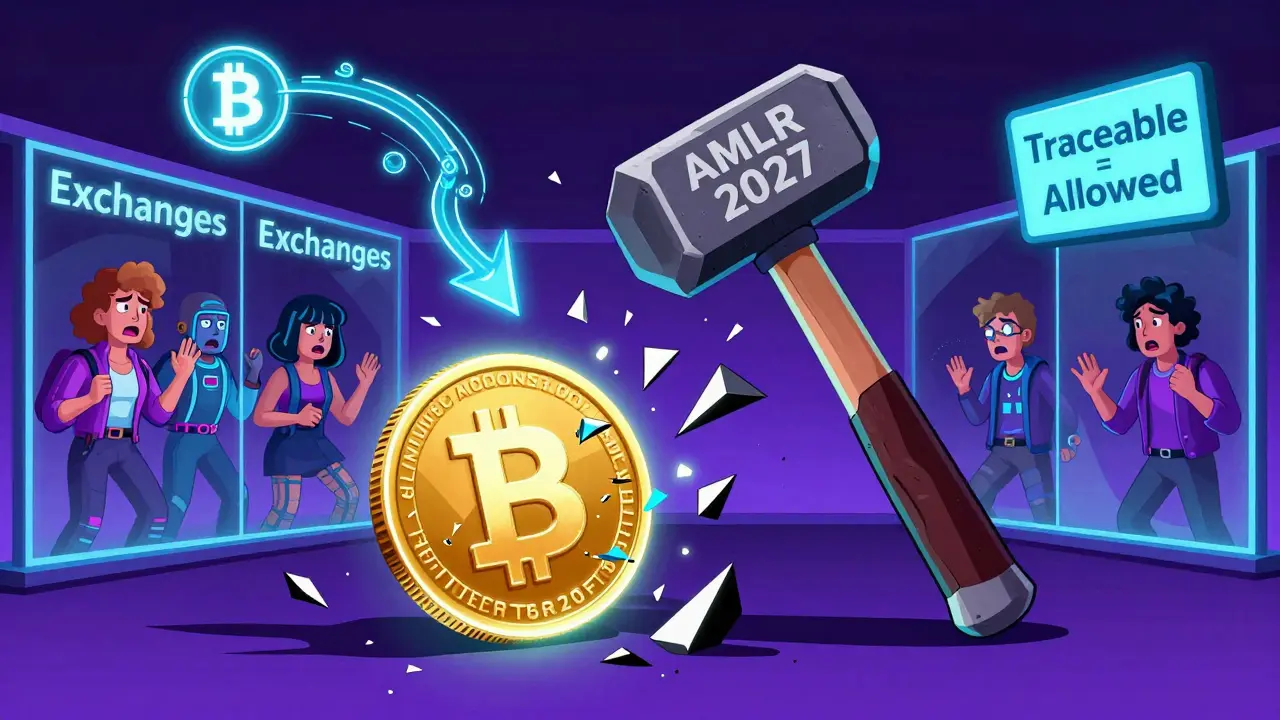
The EU is banning Monero and Zcash by July 2027 under new anti-money laundering rules. Here’s what it means for holders, exchanges, and the future of privacy in crypto.
More
VASP registration in the UK is mandatory for crypto businesses targeting UK customers. Learn the requirements, compliance rules, application process, and risks of operating without FCA approval in 2026.
More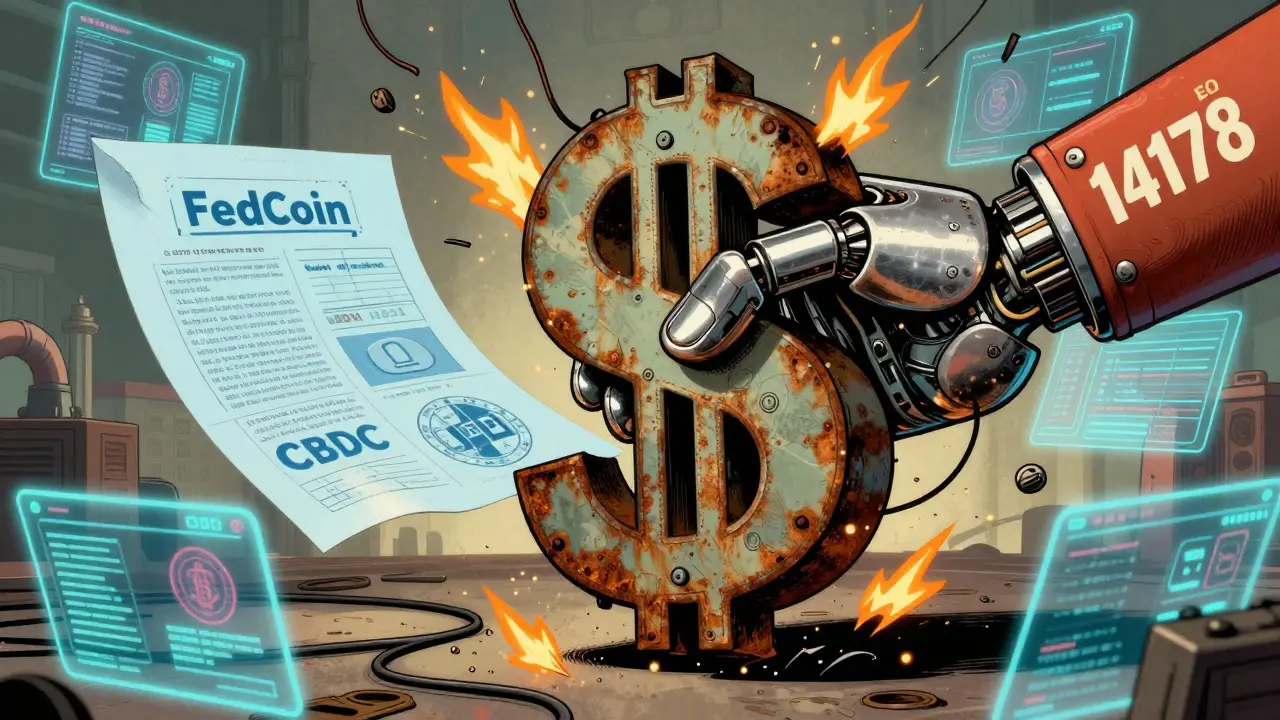
The U.S. halted all digital dollar development in 2025 with Executive Order 14178, stepping away from global CBDC trends. While other nations launch digital currencies, America relies on private stablecoins-risking its financial leadership.
More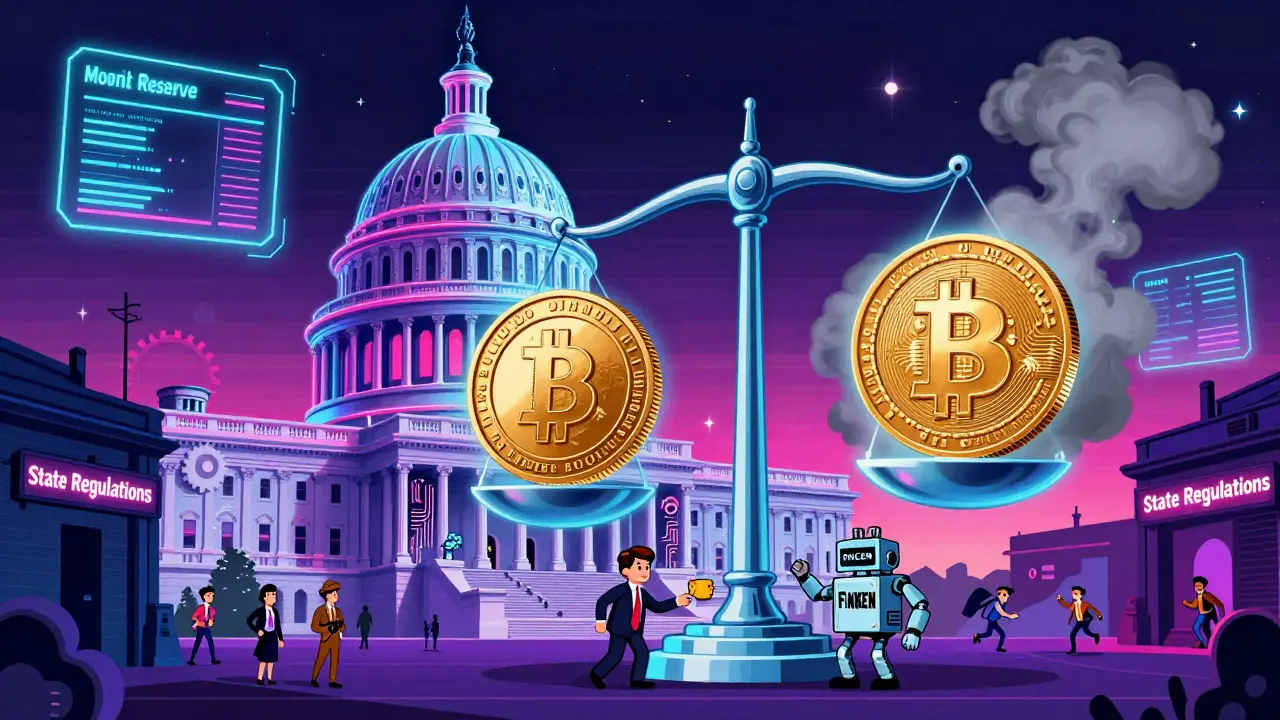
The U.S. GENIUS Act of 2025 created the first federal rules for payment stablecoins, requiring 100% reserve backing, monthly disclosures, and no interest payments. It reshaped crypto compliance, boosted institutional adoption, and left non-stablecoin crypto in regulatory limbo.
More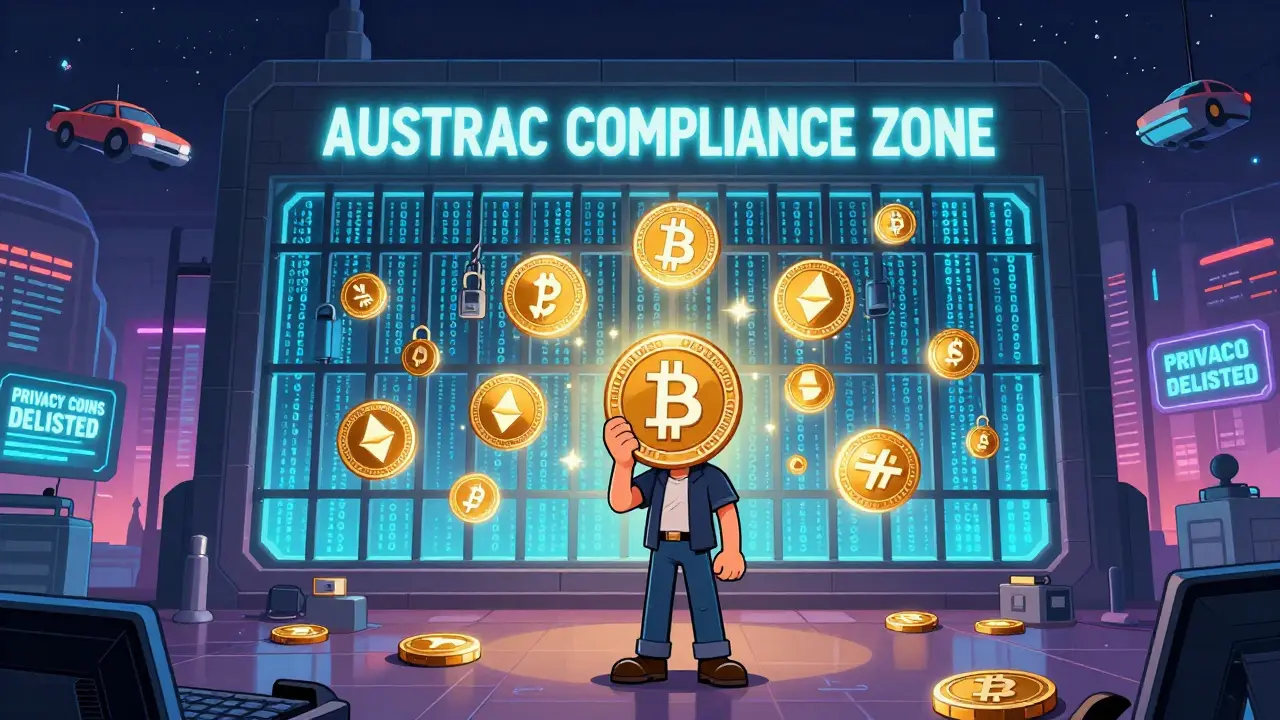
Australia has banned privacy coins like Monero and Zcash on all licensed crypto exchanges due to AML compliance rules. You can still own them, but trading them is nearly impossible. Here’s how it affects users and what’s next.
More
Institutional crypto adoption has surged in 2025, driven by Bitcoin ETF approvals, regulatory clarity, and corporate treasury investments. Major banks now offer crypto services, and institutions hold over $58 billion in Bitcoin ETFs.
More
In 2025, your bank can freeze your account just because you received crypto from a suspicious address - even if you had no idea. Here’s how it works, who’s affected, and how to protect yourself.
More
Crypto trading is illegal in Bangladesh, yet many citizens still trade Bitcoin and USDT through underground channels. Learn the legal, financial, and personal risks-including jail time, frozen accounts, and scams-with no legal protection.
More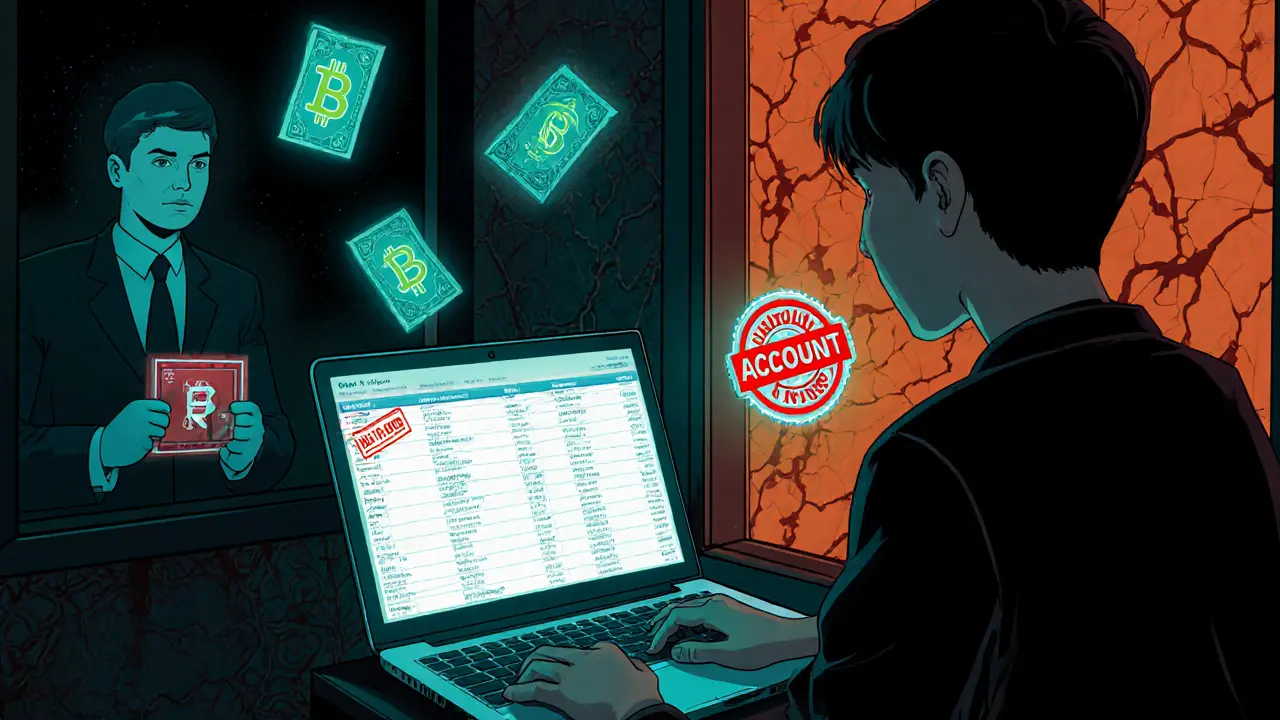
Myanmar enforces strict crypto bans with immediate bank account closures, fines, and jail time. USDT, Bitcoin, and other digital currencies are illegal, and enforcement is intensifying as the government prepares to launch its own digital currency.
More
Norway never had tax incentives for crypto mining-so nothing was removed. Miners pay a flat 22% income tax on rewards, can deduct expenses, and benefit from cheap renewable power. The real challenge is efficiency, not policy.
More